Ca Phe: A Guide to Vietnam’s Unique Coffee Culture
Vietnamese ca phe coffee culture hits you the second you step onto a sidewalk, where tiny stools and low tables turn ordinary streets into open air cafes. You hear ice clinking in glasses, see condensed milk streaking the bottom, and smell dark roast coffee drifting out of a phin filter.
For visitors, Vietnamese coffee can be confusing at first because it looks familiar but tastes nothing like a standard American drip cup. It is bold, often sweet, and built around slow brewing and strong beans that hold up to heat and ice.
What keeps me coming back is how everyday it all feels, like coffee is part of the daily schedule the same way crossing the street is. You can drink ca phe sua da at 7 a.m., argue politics at 3 p.m., and still see the same tables full at 10 p.m.
There is also something satisfying about how unpretentious it can be, even when the coffee is intense enough to wake up a whole block. Nobody needs a lecture about tasting notes when the drink does its job and the conversation keeps moving.
At the same time, Vietnam has serious coffee people, and you can feel that pride in the way a good shop treats its beans and its regulars. The culture makes room for both the quick street cup and the slow, nerdy brew without turning it into a fight.
The origins of Vietnamese coffee: French colonial influence
Coffee arrived in Vietnam through French colonial expansion in the 19th century, when missionaries and administrators brought Arabica plants and cafe habits with them. The crop took root in the Central Highlands, where altitude and cooler nights made farming possible.
What Would You Like to Learn Next?
Choose an option below:
French style cafes showed up in cities like Hanoi and Saigon, but Vietnam never copied Paris straight. Local tastes pushed coffee toward darker roasting, heavier extraction, and a preference for drinks that could handle humidity and long afternoons.
Condensed milk became a practical fix when fresh dairy was scarce, and it quietly changed everything about the flavor profile. That thick sweetness also balanced the intensity of Vietnamese coffee, especially when Robusta later became dominant.

You can still see the French influence in the cafe layout, the love of lingering, and the way people treat coffee as a social anchor. At the same time, the menu reads like Vietnam wrote its own rules and never asked permission.
The colonial story is complicated, but the end result is that Vietnam took an imported crop and made it local in a way that feels complete. Even the word “ca phe” carries that history while sounding totally natural in daily speech.
After independence and decades of change, coffee shifted from a cafe luxury to a national habit, especially as production expanded. The drink stayed tied to city life, but the supply chain started in rural provinces that most tourists never see.
When people talk about Vietnamese coffee today, they often jump straight to condensed milk, but the deeper influence is the cafe as a place to sit and be seen. That idea survived wars, economic reforms, and the rise of modern chains because it fits how people like to spend time.
It also explains why a Vietnamese cafe can feel like a second office, a living room, and a neighborhood news desk all at once. Coffee is the excuse, but the real product is a few hours of belonging.
In some older spots, you can still find touches that look like a faded postcard of French Indochina, like tiled floors and tall windows. The coffee itself, though, is unmistakably Vietnamese, built for heat, noise, and long conversations.
The phin filter: Vietnam’s signature brewing method
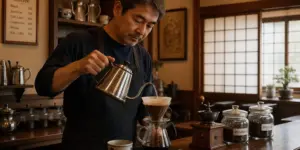
The phin is a small metal drip brewer that sits directly on top of your glass, and it forces you to slow down. Instead of a fast pour over, you get a steady drip that can take four to eight minutes depending on grind and dose.
A typical setup uses a medium fine grind, a generous coffee dose, and a light tamp with the press disk. Baristas often bloom the grounds with a splash of hot water, then fill the chamber and let gravity do the work.
Vietnamese drip coffee tastes thicker than paper filter coffee because metal filtration lets more oils through. That texture is the point, especially when you plan to mix it with condensed milk or pour it over ice.
If you try to rush a phin, you usually get a weak cup that tastes like hot water with regrets. If you dial it in, the result is concentrated, bittersweet, and perfect for the strong flavors that define Vietnamese ca phe coffee culture.
Part of the charm is that the phin is simple enough to use anywhere, from a street cart to a kitchen counter. You do not need electricity or fancy gear, just hot water and the willingness to wait.
That waiting is not dead time in Vietnam, because the drip becomes a little timer for conversation. You can talk through the first slow drops, then pause when the stream steadies, and by the end you have a drink and a story.
Phin size matters more than people think, because a tiny travel phin will choke easily while a larger one can run too fast if the bed is shallow. Most cafes use a size that matches their glassware, which is why copying at home can feel weird at first.
The press disk is another detail that makes or breaks the cup, since pressing too hard can stall the drip and pull out harsh bitterness. A gentle set and a consistent grind usually beats brute force, even if you like your coffee strong.
Some shops pre-mix condensed milk and coffee after brewing, while others let you do the stirring yourself, and both approaches are part of the ritual. The bottom layer of milk looks dramatic, but the real goal is a smooth, even sweetness in every sip.
When you watch a busy sidewalk cafe, you realize the phin is also efficient, because it lets one person manage multiple orders without hovering over a machine. Each cup drips on its own schedule, like a row of tiny metronomes keeping time.
Ca phe sua da: iced milk coffee and why it became iconic
Ca phe sua da is the drink most people picture when they hear Vietnamese coffee, and for good reason. It is strong coffee brewed over condensed milk, stirred until silky, then poured over a glass packed with ice.
The taste is a push and pull between roasted bitterness and caramel like sweetness, and the ice keeps it sharp in the heat. When the ratios are right, it finishes clean instead of cloying, which surprises people who expect dessert in a cup.
The drink also makes sense for the climate, because hot coffee alone can feel heavy when the air is thick. Ice turns that same intensity into something you can sip slowly without overheating.
It became iconic because it is consistent, portable, and easy to recognize even if you do not speak Vietnamese. A glass, a phin, a layer of milk, and a pile of ice is basically a national logo at this point.
Street vendors often brew a little stronger than you expect, knowing the ice will melt and stretch the drink. That first sip can feel almost syrupy, then it opens up as the temperature drops and the cup dilutes.
Some people drink it through a straw, which sounds strange until you try it and realize it keeps the ice from smacking your teeth. It also pulls the sweeter, colder liquid from the bottom, which is where the best part usually hides.
In tourist areas you sometimes get versions that are too sweet, like someone assumed foreigners only want sugar. The better cups taste like coffee first, with condensed milk acting like a thickener and a softener rather than a mask.
There is also a social reason it stuck, because it is the kind of drink you can nurse for an hour while you watch the street. Even when the ice melts, you still have something cold in your hand, which keeps you seated and present.
| Style | Typical ratio | What it tastes like |
|---|---|---|
| Classic ca phe sua da | 2 to 3 tbsp condensed milk, 60 to 90 ml coffee | Bold, sweet, balanced bitterness |
| Less sweet street style | 1 to 2 tbsp condensed milk, 90 ml coffee | More roast bite, lighter finish |
| Extra strong phin | Same milk, higher coffee dose | Thicker body, intense cocoa notes |
| Home batch over ice | Concentrated brew, lots of ice | Fast, refreshing, slightly diluted |
If you want to understand the drink, pay attention to how the ice is treated, because crushed ice and big cubes give different results. Crushed ice chills fast and dilutes fast, while big cubes keep the flavor tight longer.
Some cafes serve it with the coffee and milk already mixed, while others hand you a glass with layers and let you stir. That little moment of mixing is part of the fun, like you are finishing the drink yourself.
When you order it in the morning, it can replace breakfast because it is sweet and strong enough to count as fuel. When you order it in the afternoon, it feels more like a reset button that gets you through the hottest hours.
It also travels well, which is why you see so many take away cups with a sealed lid and a fat straw. Even on a motorbike, people find a way to carry it like it is a basic necessity.
Egg coffee, coconut coffee, and other Vietnamese specialties
Egg coffee Hanoi made famous, called ca phe trung, tastes like tiramisu without the cake. A good cup has hot coffee under a thick, whipped topping of egg yolk, sugar, and sometimes condensed milk.
The best versions avoid any obvious egg smell, and that takes technique and fresh ingredients. In Hanoi, cafes like Giang and Dinh built reputations on getting that foam stable, glossy, and warm enough to feel like custard.
Egg coffee is also about temperature control, because the topping needs to stay warm without scrambling. Some shops serve it in a small bowl of hot water like a tiny bain marie, which looks odd but works.
The first sip can be confusing if you expect a normal latte, because the foam is thick and sweet like a dessert cream. Once it mixes with the bitter coffee underneath, it turns into something closer to melted ice cream with a roasted edge.
Coconut coffee is a southern leaning favorite, usually blended coconut cream or coconut milk with ice until it turns slushy. The coffee goes in last or gets layered, so you taste tropical sweetness first, then a bitter coffee snap.
In some places it comes with toasted coconut flakes or peanuts, which makes it feel like a snack and a drink at the same time. The best ones keep the coconut clean and not overly perfumed, so the coffee still feels like the main character.
You also see yogurt coffee, salted coffee in Hue style shops, and even cacao coffee hybrids in tourist areas. Some of it is gimmicky, but plenty of these drinks stick around because they taste good in a hot climate and pair well with strong beans.
Yogurt coffee sounds like a prank until you try it, because the tang cuts through the roast and makes the drink feel lighter. It is usually served cold, and the texture lands somewhere between a smoothie and an iced latte.
Salted coffee is another surprise, because the salt does not make it taste salty so much as rounder and more chocolatey. It is often served with a creamy top layer, and the contrast between sweet, bitter, and faintly savory keeps you sipping.
There are also simple variations that locals treat as normal, like adding a little sugar to black coffee or ordering it extra strong and sipping it slowly. Not every specialty needs a new ingredient, because sometimes the twist is just the ratio.
What I like about these drinks is that they are not trying to imitate Western cafe trends, even when they look Instagram friendly. They come from local logic, like using what is available and making it taste good in the heat.
If you are trying these for the first time, it helps to remember that Vietnamese coffee starts strong, so the add-ons are meant to balance rather than bury it. When the coffee disappears completely, the drink usually feels like it lost its purpose.
Ca phe culture: sidewalk stools, community, and pace of life
The most honest way to understand Vietnamese ca phe coffee culture is to sit outside and watch traffic flow around you. Sidewalk cafes turn a few square feet into a living room, and nobody acts like it is strange.
People meet for business, gossip, soccer talk, or quiet scrolling, and the coffee gives everyone an excuse to stay put. The stools are low enough that you feel grounded, like you are part of the street instead of separated from it.
Time works differently in these cafes, and the slow drip reinforces that mood. You order, you wait, you talk, and you do not treat the pause as wasted because the pause is the point.
Even modern specialty shops keep a version of this social rhythm, just with better grinders and brighter lighting. I like both, but the sidewalk version wins when you want to understand how Vietnamese coffee fits into daily life.
The sidewalk setup also makes the city feel smaller, because you start recognizing faces after a day or two. A regular table becomes a landmark, and the person pouring coffee becomes part of your mental map.
It is common to see one group sharing sunflower seeds, another group playing cards, and someone else working on a laptop like the street is their coworking space. The mix feels normal, because the cafe is not trying to control how you spend your time.
Noise is part of the experience, from motorbikes to vendors to the constant clink of spoons against glass. Instead of ruining the mood, it becomes the soundtrack that makes the coffee taste like it belongs here.
There is an unspoken etiquette too, like not rushing someone out of a seat and not acting shocked when a chair is basically a plastic box. You pay for a drink, but you are also buying the right to linger without being judged.
In the mornings, the vibe can be focused and practical, with people reading news or planning the day. In the evenings, the same stools hold longer conversations that stretch until the street lights feel soft.
Families show up too, and it is not unusual to see kids sipping something sweet while adults drink coffee. That normalizes the cafe as a community space rather than a grown-up luxury.
When you sit long enough, you notice that coffee is also a way to mark time, like a checkpoint between errands. One cup can separate morning work from afternoon rest, and that rhythm is as important as the caffeine.
Even if you do not talk to anyone, just being there can feel social, because you are sharing the same air and the same view. That quiet togetherness is a big part of why Vietnamese cafes feel comforting.
How to order Vietnamese coffee like you mean it
Ordering Vietnamese coffee gets easier once you know a few words, and you do not need perfect pronunciation to be understood. Start with ca phe, then add sua for milk, da for ice, and den for black.
If you want the classic, ask for ca phe sua da and expect condensed milk unless the cafe says otherwise. If you want it less sweet, you can ask it it ngot, and some places will cut the condensed milk portion.
For hot coffee, ca phe den nong is a direct request that usually comes with a phin dripping at your table. If you see bac xiu on the menu, it is milk forward and gentle, which is a smart choice if you find Robusta too intense.
In Hanoi, ask specifically for egg coffee Hanoi style by saying ca phe trung, and expect it to arrive with a spoon. Stirring is optional, but I usually mix a little so the first sip is not all foam.
If you are in a hurry and see take away cups everywhere, you can say mang di to get it to go. Some places will still brew with a phin, while others use a pre-brewed concentrate for speed.
When you order black coffee, be ready for it to be strong and a little smoky, especially in older street cafes. If you want it slightly softer without milk, you can ask for a little sugar, and nobody will act like you committed a crime.
Menus in tourist areas sometimes translate everything into “Vietnamese iced coffee,” which is fine, but it hides the useful vocabulary. Learning the basic words helps you order confidently in smaller shops where English is not the default.
If you are sensitive to caffeine, it is worth knowing that Vietnamese coffee can hit harder than you expect. You can ask for a smaller size or choose bac xiu, which tends to be more milk than coffee and easier to pace.
In specialty cafes, you may see single origin options from Da Lat or specific farms, and that is your chance to explore beyond the standard dark roast. You can still order it as sua da, but the flavor can shift from smoky to fruity depending on the beans.
When in doubt, watch what locals are drinking at nearby tables and point politely if you need to. Vietnamese cafes are used to newcomers, and the vibe is usually helpful as long as you are patient.
Also remember that the drink might arrive layered, and that is not a mistake. Stir before you judge it, because the first sip without mixing can be all bitterness or all sweetness depending on where your straw lands.
Robusta’s role: why Vietnam uses different beans
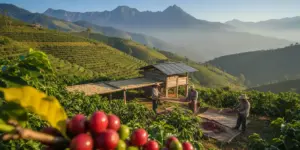
Vietnam is one of the world’s largest coffee producers, and most of that output is Robusta grown in the Central Highlands around Buon Ma Thuot and Dak Lak. Robusta handles heat and pests better than Arabica, and it produces higher yields that make economic sense for many farms.
Robusta also tastes different, with more bitterness, heavier body, and a caffeine kick that can feel like it grabs you by the collar. That profile pairs naturally with condensed milk, ice, and the slow extraction of Vietnamese drip coffee.
Specialty Vietnamese coffee is changing the conversation, with more attention on processing, fermentation, and careful roasting to reduce harshness. You can find excellent Vietnamese coffee made from Arabica in places like Da Lat too, but Robusta still defines the everyday cup.
I think some outsiders dismiss Robusta too quickly because they only tasted low grade instant blends. When you taste a well processed Vietnamese Robusta with chocolate notes and a clean finish, the bias starts to look lazy.
Robusta is also part of why Vietnamese coffee can stand up to ice without turning watery and sad. The heavier body and higher soluble content keep the flavor present even after dilution.
Roasting style matters here, because a very dark roast can amplify bitterness and smoke while covering up defects. Better roasters can keep the classic strength while avoiding that burnt rubber edge that gives Robusta a bad reputation.
There is a local preference for a bold cup that feels like it has weight, and Robusta delivers that better than many light roasted Arabicas. It is not about being unsophisticated, it is about matching the drink to the climate and the culture.
Some traditional blends also include a bit of flavoring or roasting tricks that push the aroma in a familiar direction. You can argue about purity, but it is part of the history of serving consistent coffee at street prices.
When you drink Vietnamese coffee abroad, the biggest tell is whether the shop uses beans that actually taste like Vietnam. If it is made with a mild Arabica and a splash of sweetener, it might be tasty, but it will not hit the same.
Robusta is also tied to livelihoods, because it is what many farmers can reliably grow and sell. The conversation about quality is important, but it has to respect the reality that stability matters as much as flavor.
If you want to explore, try a good Robusta black first, then try it as sua da, and notice how the sweetness changes the bitterness into something cocoa-like. That transformation is basically the logic of Vietnamese coffee in one glass.
Coffee production and sustainability in Vietnam
Coffee farming in Vietnam supports millions of livelihoods, but it also puts pressure on water use, soil health, and price stability. Intensively farmed Robusta can drain groundwater in dry seasons, especially when irrigation is poorly managed.
Many growers now use shade trees, intercropping, and better fertilization plans to protect soil and reduce chemical runoff. Programs tied to certifications like Rainforest Alliance and 4C exist, but the real work happens when farmers get paid enough to invest in long term practices.
Processing choices matter too, since wet processing needs water and creates wastewater that can pollute streams if it is dumped untreated. More farms experiment with honey and natural processing, which can cut water demand while creating fruitier flavors that specialty buyers like.
As a drinker, I look for roasters who name the region, pay attention to sourcing, and avoid mystery blends that hide low prices. Sustainability in Vietnamese coffee is not a slogan, it is whether the next harvest is profitable without wrecking the land.
Price volatility is a quiet stress in coffee, because a good harvest does not always mean a good year. When prices drop, farmers can get trapped into maximizing yield at the expense of soil health, because they have bills that do not wait.
Climate change adds another layer, with shifting rain patterns and hotter seasons that make pests and drought more unpredictable. Even a crop that is considered hardy like Robusta still depends on stable water and manageable temperatures.
Replanting old trees is a big deal too, because coffee plants do not stay productive forever. If farmers cannot afford new seedlings and a few low-income years while the plants mature, the whole system ages and quality drops.
Some cooperatives and buyers support training on pruning, soil testing, and smarter irrigation, which sounds boring but changes outcomes. Those practices can reduce costs, improve yield quality, and make farms less dependent on chemical fixes.
There is also a human side that gets overlooked, like labor conditions during harvest and the way rural young people decide whether farming is worth it. If coffee cannot compete with city wages, the next generation will not stick around to grow it.
On the consumer side, transparency helps, but it only matters if it leads to better payments and long-term relationships. A pretty story on a bag is meaningless if the farmer still has to gamble every season.
Vietnam has a growing domestic coffee scene too, and that can support quality improvements because farmers and roasters are not only selling outward. When locals value better coffee, it creates pressure and opportunity to raise standards at home.
If you care about sustainability, it is worth asking where the beans are from and how they were processed, even if you are just ordering an iced coffee. Small questions from many customers can push cafes to source with more intention.
Brewing Vietnamese coffee at home without messing it up
You can make Vietnamese drip coffee at home with a cheap phin, but you need the right grind and a little patience. If the coffee races through in under two minutes, grind finer or use more coffee so the bed offers resistance.
Start with about 18 to 22 grams of coffee for a standard single serve phin, then add a small bloom and fill with hot water around 195 to 205 degrees Fahrenheit. Let it drip into a glass with condensed milk, then stir hard so the milk does not sit at the bottom like glue.
If the drip stalls and you are waiting forever, the grind is probably too fine or the press disk is too tight. Back off a little and aim for a steady drip instead of a slow torture.
Water quality matters more than people expect, because a mineral-heavy tap can make the coffee taste dull and bitter. If your water tastes off on its own, your ca phe will taste off too.
Condensed milk brands vary, and that changes sweetness and thickness in a noticeable way. Start with less than you think you need, then add more next time, because it is easier to increase sweetness than to undo it.
Ice is not just ice here, because it is part of the recipe and not an afterthought. Using fresh, clean-tasting ice keeps the drink crisp instead of tasting like freezer air.
If you want a smoother cup, try letting the coffee cool for a minute before pouring over ice, which reduces shock bitterness. This also helps if you are using very dark roasted beans that can taste sharp when scalding hot.
Some people like to brew into a small measuring cup first, then pour over milk and ice for more control. It is less traditional, but it makes dialing in ratios easier when you are learning.
You can also batch a strong concentrate and keep it in the fridge for a day or two, which is practical if you do not want to run a phin every morning. It will not taste exactly the same as fresh drip, but it gets you close enough for weekday survival.
- Use a medium fine grind, close to pour over but slightly finer
- Preheat the phin and the glass with hot water
- Bloom with a small splash for 20 to 30 seconds
- Aim for a 4 to 7 minute drip time
- Stir condensed milk completely before adding ice
- Choose 100% Robusta or a Robusta forward blend for classic flavor
If you are using pre-ground coffee, expect to adjust dose because the grind might not match your phin. A little extra coffee can compensate for a grind that is too coarse, but it will not fix everything.
Do not be afraid to experiment with the coffee-to-water ratio, because Vietnamese coffee is not shy. Many people prefer a smaller final volume that tastes concentrated rather than a big mug that tastes thin.
If you want hot ca phe sua nong, skip the ice and use a warm glass so the drink stays cozy. It is a different mood, more like a winter coffee, even if you are drinking it in a warm apartment.
Once you get one good cup, write down what you did, because it is surprisingly easy to forget the details. The phin looks simple, but small changes in grind and tamp can swing the flavor hard.
Where to drink Vietnamese coffee in Vietnam, from Hanoi to Ho Chi Minh City
Hanoi is the place for tradition, especially if you want egg coffee Hanoi locals actually drink rather than a copied version. Old Quarter cafes tend to keep the phin ritual and serve drinks that lean strong and hot.
Ho Chi Minh City moves faster and experiments more, so you see coconut coffee, cold brews, and modern specialty menus next to classic ca phe sua da. District 1 has plenty of polished shops, but some of the best cups still come from small street setups that look almost temporary.
Da Lat is worth your time if you care about farms and Arabica lots, because the cooler climate changes what grows well. You can pair cafe hopping with visits to roasters who talk openly about processing, pricing, and why certain lots taste like stone fruit instead of smoke.
If you cannot travel, look for Vietnamese owned cafes abroad, since they often keep the right beans and the right ratios. When the menu includes Vietnamese coffee, ca phe sua da, and Vietnamese drip coffee made with a phin, you are in the right neighborhood.
In Hanoi, it is worth trying both the famous legacy cafes and the anonymous street corners, because they deliver different experiences. The famous spots give you consistency and history, while the street cup shows you how normal the ritual really is.
In Ho Chi Minh City, do not ignore neighborhood districts outside the tourist center, because that is where daily coffee culture feels most alive. A small shop with plastic stools can serve a better sua da than a sleek cafe if the beans and ratios are right.
Central Vietnam has its own vibe, and cities like Hue and Da Nang can be great for trying salted coffee or local variations without the biggest crowds. The pace is a little calmer, which makes it easier to sit and actually taste what you ordered.
If you make it to the Central Highlands, the coffee story becomes more tangible because you are closer to farms and processing sites. Even a simple roadside coffee tastes different when you know the beans might have been grown nearby.
Specialty coffee is growing in both Hanoi and Ho Chi Minh City, and it is worth visiting at least one shop that treats Vietnamese beans with the same respect given to imported lots. You might find a cleaner, fruitier profile that still feels Vietnamese but breaks the stereotype.
When choosing a place, look for signs of care like freshly brewed phin coffee instead of a jug that has been sitting all day. Freshness does not have to mean fancy, it just means someone is paying attention.
Also consider the setting you want, because the same drink tastes different on a quiet balcony versus a noisy sidewalk. Vietnam gives you both, and the best plan is to try the coffee in as many moods as possible.
Conclusion
Vietnamese ca phe coffee culture is built on strong coffee, slow brewing, and the idea that a drink can hold a table for hours. Once you get used to the phin drip and the condensed milk sweetness, regular iced coffee starts to taste thin.
Try ca phe sua da for the classic, then chase it with egg coffee Hanoi style if you want a richer, dessert like cup without the sugar crash of a pastry. If you care about the bigger picture, support Vietnamese coffee that names its origin and treats sustainability like a real cost, not a marketing line.
The best part is that you do not need to be an expert to enjoy it, because the culture meets you where you are. You can start with the sweet classics, then slowly work toward black coffee and regional beans as your palate catches up.
Whether you drink it on a sidewalk in Hanoi or make it at home with a cheap phin, the ritual teaches patience in a small, practical way. That slow drip is a reminder that coffee can be more than caffeine, and that is why it sticks with you.
Why Melbourne Became One of the World’s Great Coffee Cities
» Discover special tips and stories about coffee