Nicaragua Specialty Coffee: Origins, Flavor Profiles, and Best Buys
Nicaragua makes coffee that I keep coming back to when I want something sweet, steady, and easy to brew. A great cup can taste like cocoa, roasted nuts, and gentle citrus without turning sharp.
This Nicaragua specialty coffee guide focuses on where the best lots come from, what they taste like, and how to shop with confidence. If you have only tried basic supermarket “Central American” blends, Nicaragua will surprise you with how clean and specific it can be.
Specialty buyers talk about Nicaraguan coffee beans in a practical way because they tend to behave well in the roaster and in the brewer. The coffees often land in a sweet spot that works for espresso, filter, and even cold brew.
At the same time, Nicaragua’s coffee story is tied to small farms, cooperatives, and a lot of hard work in hilly terrain. When you buy thoughtfully, you can support producers who are trying to keep quality high while dealing with weather swings and price pressure.
Nicaragua’s place in the specialty coffee world
Nicaragua sits between Honduras and Costa Rica, and it often gets less attention than both. That is a shame, because top Nicaraguan lots can match their neighbors for sweetness and clarity.
Part of the reason it gets overlooked is that Nicaragua does not always have a single headline style that dominates the conversation. Instead, it quietly produces a lot of coffees that taste good across roast levels and brew methods.
What Would You Like to Learn Next?
Choose an option below:
In specialty circles, Nicaragua is known for coffees that are friendly rather than flashy. You will see fewer ultra perfumed cups than Ethiopia, but you will also see fewer sour, underdeveloped surprises.
That friendliness is not a lack of quality, it is a different kind of quality that shows up as balance and repeatability. If you are the kind of drinker who wants the second cup to be as good as the first, Nicaragua fits the habit.
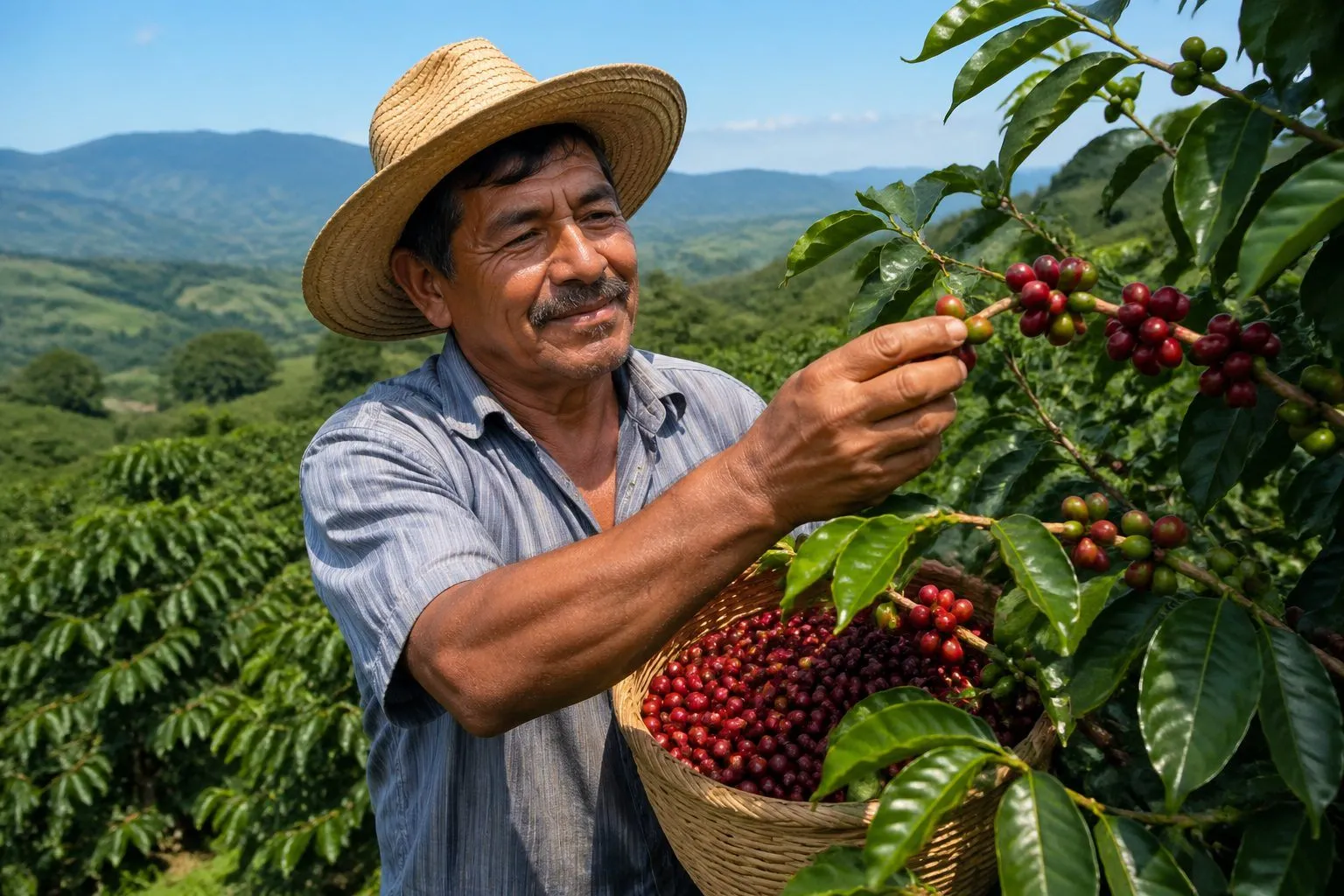
Most of the best coffees come from smallholders who deliver cherry to local mills or cooperative wet mills. That structure can produce very consistent community lots, and it can also produce standout microlots when a producer controls picking and processing tightly.
Cooperatives matter here because they can provide training, agronomy support, and access to buyers who pay for quality. When the cooperative is well run, you will often taste it as cleanliness and a more uniform roast color in the bag.
When roasters say a coffee is “approachable,” this origin is often what they mean. Nicaragua coffee taste usually leans chocolate and caramel first, then fruit shows up as orange, apple, or a soft berry note.
That profile is also why you see Nicaragua used as a base in specialty blends that want sweetness without heavy roast flavors. Even as a single origin, it tends to hold together when you change water or grind, which is not true for every origin.
You will also hear about varieties like Caturra, Catuaí, and Bourbon, plus newer plantings like Maracaturra and some disease resistant hybrids. Variety matters, but in Nicaragua the farm’s elevation and the mill’s discipline often matter more than the name on the bag.
If you are trying to understand the market, it helps to think of Nicaragua as a quality focused origin that still offers reasonable pricing relative to many hype driven regions. When a roaster buys well, they can offer a sweet, clean coffee without charging you for rarity.
Another reason Nicaragua works so well in specialty is that many lots roast evenly and predictably. That makes it easier for roasters to highlight sweetness instead of spending the whole roast fighting uneven development.
Key growing regions: Jinotega, Matagalpa, and Nueva Segovia
If you want a simple mental map, start with the north and north central highlands. Jinotega coffee and Matagalpa coffee are common on labels, and Nueva Segovia often appears on higher end bags.
These regions share mountains, cooler nights, and a long tradition of coffee farming, but they do not taste identical. Even within one region, two neighboring communities can cup differently depending on elevation, shade, and how the coffee is dried.
Jinotega is a big producing area with a mix of large farms and many small ones. The best Jinotega coffee tends to bring cocoa, brown sugar, and a crisp apple or orange note when it is washed.
Because Jinotega is large, you will see both value lots and truly excellent microlots carrying the same regional label. When a Jinotega bag includes a community name or a specific cooperative, it usually tells you the roaster cared about narrowing the source.
Jinotega also produces coffees that make sense for espresso because the sweetness is easy to pull out. If you like shots that taste like chocolate and citrus peel rather than sharp lemon, this is a good region to start with.
Matagalpa sits a bit farther south and has long coffee history, with a lot of shade grown systems. Matagalpa coffee often tastes round and nutty, and I usually get milk chocolate and toasted almond in medium roasts.
In Matagalpa, shade and soil management can be a big part of quality, especially on small farms that rely on mixed agriculture. That kind of farming often shows up as a softer acidity and a comfortable, dessert-like sweetness.
Matagalpa coffees can also be very forgiving if you are brewing on a basic drip machine or a French press. The flavors stay pleasant even if extraction is not perfectly dialed in, which makes it a good everyday option.
Nueva Segovia is the region I watch when I want higher altitude brightness without harshness. Coffees from areas around Dipilto and Jalapa can show more florals and stone fruit, especially when producers use careful drying.
Nueva Segovia lots also tend to show a bit more structure, meaning you can taste sweetness and acidity at the same time without one overpowering the other. When roasted lightly, they can lean toward peach, orange blossom, and a clean cocoa finish.
Because Nueva Segovia is often positioned as premium, it is worth checking that the bag includes harvest and process details rather than just the region name. A strong label here usually reads like a traceable story instead of a vague origin stamp.
Region names are still broad, so look for sub region, community, or farm identifiers when you can. If a roaster lists the mill name, the cooperative, and harvest year, that is a good sign they bought with intent.
It also helps to notice whether the roaster highlights a specific municipality like San Juan de Río Coco, Dipilto, or Jalapa, because those clues usually correlate with higher elevation and more careful sorting. When those details are present, you can expect a tighter cup and fewer random woody notes.
If you keep notes at home, you will start to see patterns across regions after just a few bags. Over time, that makes it easier to buy Nicaragua confidently even when a roaster rotates producers each harvest.
Flavor profile: balanced, chocolatey, and approachable
When people ask what Nicaragua coffee taste is like, I usually say “sweet cocoa with a clean finish,” then I get more specific based on process. That balance is why Nicaraguan coffee beans work so well as a daily driver for home brewers.
The sweetness in a good Nicaragua often reads like brown sugar or caramel rather than raw sugar. That matters because it makes the cup feel complete even when you drink it black.
Washed lots often taste like milk chocolate, caramel, and citrus peel, while honey and natural lots can push toward jammy fruit and rum like sweetness. Roast level matters a lot here, because too dark can flatten the fruit and turn cocoa into ash.
I also find that Nicaragua handles medium roasts especially well, because the chocolate notes deepen without losing the clean finish. If you like light roasts, look for higher altitude lots so the cup still has energy and clarity.
Acidity in Nicaragua is usually present but not aggressive, and it tends to show up as orange, apple, or gentle lime rather than sharp grapefruit. That is why people who dislike sour coffee often end up liking Nicaragua when it is brewed correctly.
Body is another quiet strength, especially in honey processed coffees that can feel syrupy without tasting heavy. Even washed coffees can have a creamy texture when the roast is not pushed too far.
If you are tasting for the first time, try to separate sweetness from roast flavors, because Nicaragua can be sweet even at lighter development. When the coffee is well roasted, the cocoa note tastes like chocolate, not like dark roast bitterness.
The finish is often where Nicaragua stands out, because it tends to fade cleanly instead of leaving a dry, papery aftertaste. That clean finish is a big reason these coffees work for both espresso and filter without feeling like two different products.
| Common note | Where it shows up most | What it can resemble in the cup |
|---|---|---|
| Milk chocolate | Washed Jinotega and Matagalpa | Cocoa powder, chocolate bar sweetness |
| Caramel | Medium roasts across regions | Toffee, dulce de leche, browned sugar |
| Orange and apple | Washed Nueva Segovia and higher altitude lots | Citrus peel, baked apple, light acidity |
| Red fruit | Honey and natural microlots | Strawberry jam, cherry, fruit syrup |
| Roasted nuts | Lower to mid altitude washed coffees | Almond, hazelnut, peanut brittle |
Use the tasting notes as a direction, not a promise, because the same coffee can taste different depending on water and grinder. The good news is that Nicaragua tends to stay in the same flavor neighborhood even when your variables change.
If you want to push sweetness, slightly longer contact time on pour over can bring out more caramel and nut. If you want more fruit, a slightly coarser grind and a cleaner filter can keep the cup brighter and lighter.
Milk drinks highlight Nicaragua’s strengths because chocolate and caramel translate directly into latte flavors. A washed Nueva Segovia espresso can taste like orange chocolate in milk without needing flavored syrup.
How altitude and rainfall shape Nicaraguan coffee
Altitude drives slower cherry maturation, which usually means more sweetness and better acidity structure. Many specialty lots sit around 1,100 to 1,600 meters, with some farms pushing higher in Nueva Segovia.
That slower maturation often produces denser beans, and dense beans tend to roast more evenly when handled well. In the cup, density often shows up as a more layered sweetness rather than a one-note sugar hit.
Higher altitude does not automatically mean better, but it often means the coffee has more room to be roasted lighter without tasting thin. When you see a high elevation listed, you can expect a bit more lift in the acidity and a longer finish.
Rainfall patterns decide how clean a coffee can taste, because drying gets tricky when humidity stays high. A careful producer will use raised beds, covered patios, or mechanical dryers to avoid muddy flavors.
Drying is where a lot of good coffee becomes average coffee, especially in places where weather changes quickly. Even a great harvest can pick up musty or fermented notes if the coffee sits too long without airflow.
In wet years, washed coffees can come out a little softer, and naturals can pick up fermented notes if drying stalls. In drier years, you can get punchier citrus and a snappier finish, but the coffee can lose some plush body if it stresses on the tree.
Temperature swings also matter, because cool nights can help preserve acidity while warm days build sugars. When those conditions line up, you get cups that taste sweet and bright at the same time instead of sweet and flat.
Shade management also changes the cup in ways people ignore. More shade can protect quality during heat spikes, but too much shade and poor pruning can raise disease pressure and lower density.
Well managed shade can also slow drying on the tree, which sometimes translates to more sweetness and a rounder mouthfeel. Poorly managed shade can lead to uneven ripening, which is why selective picking becomes even more important.
If you are shopping online, look for harvest details and moisture targets, because those clues tell you whether the producer had control. When a roaster mentions slow drying or specific day counts on beds, you are often looking at a lot that got extra attention.
It is also worth noticing whether the roaster mentions the coffee arriving as fresh crop, because age can blur acidity and dull sweetness. A well stored coffee can still taste good months later, but Nicaragua’s clean citrus notes are best when the coffee is not old.
Climate variability is part of the reality now, and it affects both yield and flavor from year to year. When you find a producer or cooperative that stays consistent across harvests, that consistency is a real achievement, not an accident.
Processing methods common in Nicaragua
Washed processing is the workhorse in Nicaragua, and it is the safest bet if you want clarity. It tends to bring out chocolate, nuts, and clean citrus in Nicaraguan coffee beans.
In a classic washed setup, the goal is to remove fruit quickly and dry the parchment evenly so the cup tastes transparent. When it is done well, you can taste the farm and region more clearly because fermentation flavors do not dominate.
Washed coffees also tend to be easier to dial in on espresso because the flavors separate cleanly. If you are learning espresso, a washed Nicaragua can be a forgiving place to practice without wasting shots.
Honey processing is common too, with mucilage left on during drying for extra sweetness and body. A good honey Nicaragua can taste like caramelized fruit, with a syrupy middle that still finishes clean.
Honey lots can vary a lot depending on how much mucilage is left and how fast the coffee dries. A cleaner honey can taste like caramel and orange, while a heavier honey can lean toward dried fruit and a deeper, almost molasses sweetness.
Natural processing shows up more often now, especially as producers chase higher prices for microlots. Naturals can be excellent, but I only buy them from roasters who give clear process notes and who roast with restraint.
A good natural Nicaragua can taste like strawberry, cherry syrup, and cocoa at the same time, which is a fun twist on the classic profile. A bad natural can taste boozy or overly funky, and that can hide the underlying quality.
Some mills experiment with anaerobic fermentation, extended fermentation, or yeast inoculation, and results vary a lot. When it works, you get tropical fruit and wine like aromatics, but when it misses, the cup tastes like vinegar or overripe banana.
Experimental lots can be exciting, but they can also feel like the process is doing all the talking. If you want to understand Nicaragua itself, it helps to taste the traditional washed profile before you chase the loudest fermentation notes.
If you are new to this origin, start with washed Jinotega coffee or washed Matagalpa coffee, then branch out into honey lots. Save natural and experimental coffees for when you already know what “clean Nicaragua” tastes like, because you will have a baseline.
Once you have that baseline, you can tell whether a natural tastes like intentional fruit or accidental fermentation. That is the difference between a fun microlot and a cup you do not want to finish.
If you like to compare, buy the same region in two processes from the same roaster. That kind of side-by-side tasting makes it easier to understand what processing is changing and what the origin is contributing.
How Nicaragua compares to other Central American origins
Nicaragua often tastes less sharp than Guatemala and less herbal than some Honduras lots. It usually lands in the middle, with sweetness up front and acidity that stays polite.
That middle position is exactly why it works for so many people, because it does not demand a specific palate. You can drink it black, with milk, or over ice, and it still tastes like coffee rather than a sour fruit drink.
Compared with Costa Rica, Nicaragua tends to be less intensely bright and less dominated by high tech processing styles. I reach for Nicaragua when I want comfort and consistency more than fireworks.
Costa Rica can be thrilling when you want sparkling acidity and very modern processing, but it can also feel intense if you just want a calm morning cup. Nicaragua fills that calmer role while still tasting clean and specialty-grade.
El Salvador can overlap in chocolate and nut notes, especially in Bourbon heavy plantings. The difference I notice is that good Nicaraguan coffee beans often show a slightly cleaner finish, while El Salvador can lean creamier and more confectionary.
That cleaner finish is a big deal if you are sensitive to papery or drying aftertastes. When Nicaragua is well processed, the cup tends to end sweet, which makes you want another sip instead of a glass of water.
Panama has plenty of excellent non Gesha coffee, but the market often pushes prices up across the board. Nicaragua is still one of the better value buys in specialty coffee, especially if you like espresso friendly profiles.
Value does not mean cheap, it means the flavor you get matches or beats the price you pay. In many roaster lineups, Nicaragua is the bag that tastes like it should cost more than it does.
If you brew milk drinks, Nicaragua can beat brighter origins because cocoa and caramel cut through milk without tasting sour. For straight filter coffee, it is a safe pick when you want sweetness and balance without chasing rare varieties.
If you are building a small rotation, Nicaragua pairs well with a brighter origin like Kenya or Ethiopia because it gives your palate a break. It also pairs well with a deeper, earthier origin because it keeps the sweetness high without going heavy.
Another practical difference is how forgiving Nicaragua can be when your water is not perfect. If your tap water tends to mute acidity, Nicaragua still tastes sweet, while some brighter origins can taste flat and dull.
How to buy and brew Nicaraguan coffee
Buying well starts with reading the label like you mean it, not like you are scanning for a flag. Look for region, altitude range, variety, process, and harvest window, because those details separate real sourcing from vague marketing.
If the bag only says “Nicaragua” with no other information, treat it like an unknown until proven otherwise. A lot of great coffee is traceable now, so a blank label is usually a choice, not a limitation.
For brewing, I like Nicaragua on pour over when I want chocolate sweetness without heavy bitterness. For espresso, a washed Nicaragua can pull with thick crema and a cocoa finish that tastes good even when your shot is not perfect.
On drip machines, Nicaragua can be a cheat code because it stays sweet at standard ratios and medium grinds. If your brewer runs a little cool, choose a medium roast so the cup still tastes full and not grassy.
For AeroPress, I like using a slightly finer grind and a short steep to emphasize caramel and nuts. If you want more fruit from a honey or natural lot, use a slightly cooler water temperature and avoid over-stirring.
Cold brew can work well too, especially with washed coffees that keep the finish clean. A honey process can make cold brew taste almost like chocolate milk, but it can also get heavy if you steep too long.
Water quality matters more than people want to admit, because Nicaragua’s sweetness shows best when minerals are balanced. If your coffee tastes flat, try filtered water before you blame the beans.
- Choose washed lots for clean cocoa and citrus
- Choose honey lots for heavier body and caramel sweetness
- Start pour over at a 1:16 ratio, then adjust by taste
- Use 200 to 205 F water for most medium roasts
- Grind slightly finer for Jinotega coffee to boost sweetness
- Rest fresh roasted bags 7 to 14 days for espresso
If your cup tastes bitter, go a little coarser or shorten brew time before you lower the dose. If it tastes thin or sour, go slightly finer and make sure your water is hot enough for the roast level.
For espresso recipes, I often start with a classic 1:2 ratio and adjust by taste, because Nicaragua usually has enough sweetness to handle standard yields. If the shot feels too heavy, a slightly longer ratio can bring out more orange and soften the cocoa.
Storage is part of brewing too, because oxygen and heat will dull the sweetness fast. Keep the bag sealed, store it in a cool cabinet, and do not leave beans sitting in a hopper for days.
Best buys: what to look for in a bag
“Best buy” in specialty coffee usually means a bag that tastes expensive without costing a fortune. Nicaragua often hits that mark, but you still need to filter out old crop coffee and generic blends.
I also think “best buy” means you can actually use the whole bag without getting tired of it. Nicaragua’s balance makes it easy to drink daily, which is a different kind of value than a wild microlot you only want once a week.
Start with roast date, because freshness changes everything once you open the bag. If a seller hides roast date or only gives a “best by” date, I skip it.
Freshness is not just about aroma, it is about how the coffee extracts and how stable the flavors are. Older coffee can taste hollow, and it can make you chase grind settings that never quite land.
Look for clear sourcing like a named cooperative in Jinotega, a specific community in Matagalpa, or a farm name in Nueva Segovia. Those details usually mean the roaster can trace quality issues back to a real place, and that accountability matters.
If the bag includes the mill name, pay attention, because mills often define the final cleanliness more than people realize. A reliable mill can produce consistent lots year after year, which is why some roasters highlight them like a producer.
Pay attention to screen size, density, or “strictly high grown” style notes when roasters include them. Dense coffee often holds sweetness through a wider range of brew styles, which is great if you rotate between drip, AeroPress, and espresso.
Another clue is whether the roaster lists the variety and gives a realistic flavor description instead of fantasy notes. When a bag says “chocolate, caramel, orange,” it is usually more trustworthy than a bag that promises a dozen fruits with no context.
If you like darker roasts, choose a roaster who still lists tasting notes like cocoa and nuts rather than “smoky” or “bold.” Nicaragua coffee taste can handle a medium dark roast, but it should still taste sweet, not charred.
For lighter roasts, look for higher elevations and washed processing if you want clarity, or honey processing if you want sweetness with a little more texture. A light roasted natural can be great, but it is more of a gamble if you do not know the roaster’s style.
Price can be a signal, but it is not everything, because some roasters keep Nicaragua priced fairly even when the coffee is excellent. If you see a modestly priced bag with full traceability and a recent roast date, that is often the real best buy.
Production realities and sustainability in Nicaragua
Nicaragua’s coffee production is dominated by small farms, and many rely on cooperatives for milling, credit, and export access. That setup can support quality, but it also means a bad year hits families fast.
Small farms often have limited ability to absorb shocks like storms, drought, or sudden fertilizer price increases. When you see a producer investing in raised beds or better sorting, that usually represents years of effort, not a quick upgrade.
Leaf rust and other diseases pushed many farms to renovate, and renovation costs money that farmers rarely have sitting around. When you see a roaster paying premiums for clean lots, that money can help fund pruning, fertilization, and replanting.
Renovation also means a farm may lose income for a few years while new trees mature, which creates pressure to cut corners. Long-term buying relationships can reduce that pressure because they give producers more confidence to keep quality focused practices.
Water use is a major issue in washed processing, so better mills recycle water and manage wastewater instead of dumping it. If a bag mentions eco pulpers, water reduction, or wastewater treatment, that is a meaningful signal rather than a trendy buzzword.
Wastewater management matters because coffee pulp and fermentation water can harm rivers if it is not treated. A mill that invests in responsible handling is usually a mill that also invests in cleaner fermentation and better drying control.
Shade grown systems can protect biodiversity and reduce heat stress, but they require good farm management. I like seeing notes about native shade trees, soil conservation, and selective picking, because those practices tend to show up as cleaner cups.
Selective picking is especially important in Nicaragua because many farms are steep and labor is tight during harvest. When ripe and unripe cherries get mixed, the cup can taste both flat and sharp at the same time, which is hard to roast around.
Labor is a sustainability issue too, because coffee quality depends on skilled picking and careful milling work. When prices are low, it becomes harder for farms and mills to pay enough to keep experienced workers, and quality can slip.
Certifications can help, but I do not treat them as the only proof of responsible production. Direct relationships, transparent pricing, and repeat purchases often do more for long term stability than a logo on the front of the bag.
Transparency can be as simple as a roaster naming the cooperative and stating the harvest year, because it shows the coffee is not anonymous. When you can trace a coffee back to a community, it is easier for good actors to be rewarded and for problems to be fixed.
As a buyer, you do not need to solve every problem, but you can choose to support roasters who share real sourcing information. Over time, those choices help keep high quality Nicaragua viable in a market that often rewards the loudest story instead of the most consistent work.
Conclusion
Nicaragua specialty coffee is a smart pick when you want sweetness, balance, and a cup that rarely fights you. This Nicaragua specialty coffee guide should make it easier to choose between Jinotega coffee, Matagalpa coffee, and higher altitude Nueva Segovia lots.
The best way to learn is to buy two bags with clear labels and taste them side by side, even if they are both washed. You will start to notice how region, elevation, and roast approach shift the same core cocoa sweetness.
Start with a fresh washed coffee to learn the baseline Nicaragua coffee taste, then experiment with honey and natural microlots once you know what you like. If you buy well sourced Nicaraguan coffee beans and brew them with care, you will get a cup that tastes honest and satisfying.
Ecuador Specialty Coffee: The Hidden Origin Worth Trying
» Discover special tips and stories about coffee