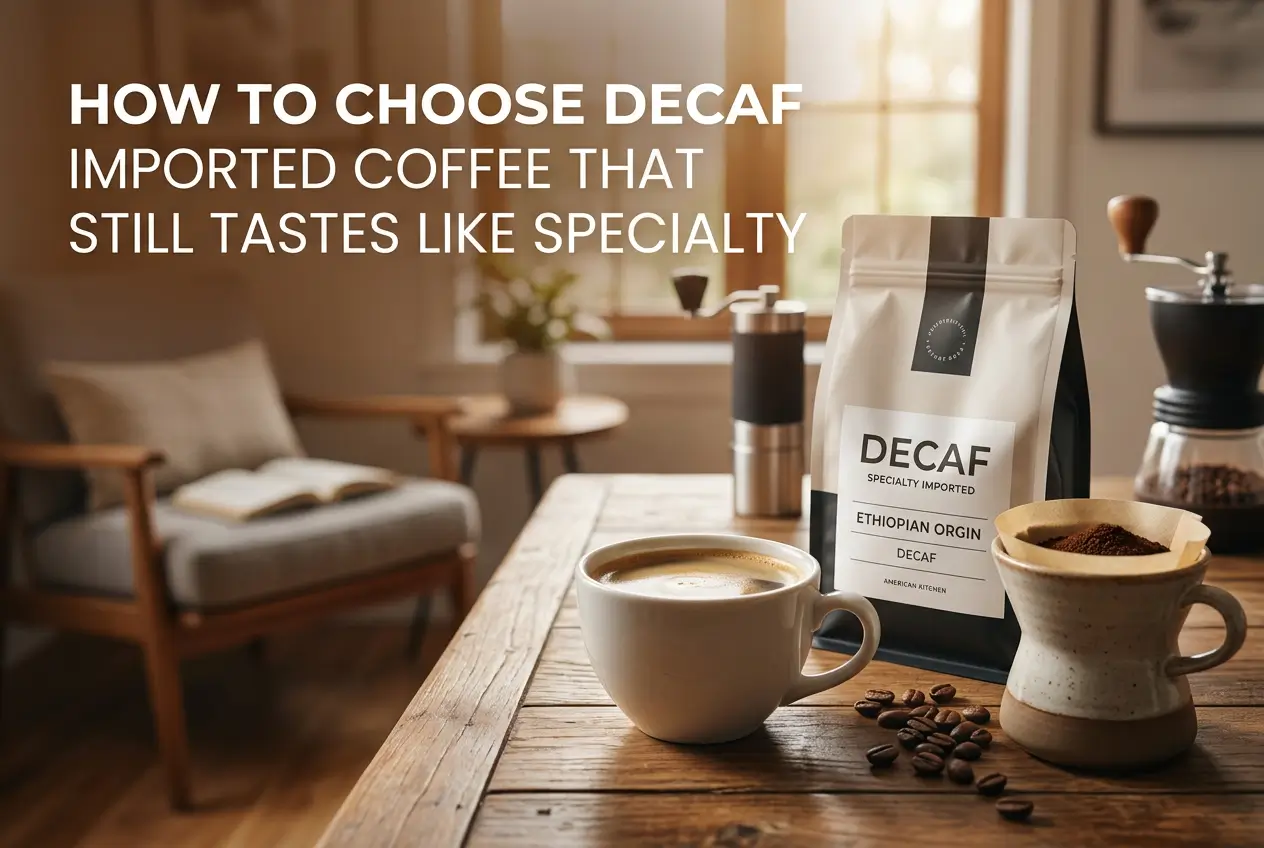
How to Choose Decaf Imported Coffee That Still Tastes Like Specialty
Finding a decaf coffee that delivers rich, complex flavor can feel like a mission impossible. Many people think decaf means sacrificing taste.
But that’s no longer true. Modern methods preserve the incredible flavors of imported beans, caffeine-free.
This guide gives you the practical steps to choose a decaf that tastes just like the real thing. You’ll learn what to look for on the label and where to buy it.
Why Most Decaf Used to Taste Bad (And Why It’s Better Now)
The decaffeination process is what makes or breaks the final cup. In the past, harsh chemical solvents were common. They stripped out caffeine but took flavor with them.
Today, specialty coffee roasters use advanced methods that prioritize taste. They focus on removing only the caffeine, leaving the bean’s original character intact.
Understanding these methods is your first step to spotting a truly high-quality decaf.
What Would You Like to Learn Next?
Choose an option below:
The Decaf Methods That Actually Preserve Flavor
When you’re shopping, the decaf method is the most important detail on the bag. Look for brands that are transparent about how their beans are processed.
These three methods are the gold standard for taste:
- Swiss Water Process: This is a 100% chemical-free method. It uses only water to gently remove 99.9% of caffeine, preserving the coffee’s aroma and body.
- CO2 Process (Carbon Dioxide): Liquid CO2 acts as a natural solvent to extract caffeine. It’s incredibly precise and leaves the bean’s flavor compounds untouched.
- Sugarcane Process (Ethyl Acetate): This process uses a natural solvent made from fermented sugarcane. It often enhances the coffee’s inherent sweetness and fruit notes.
Actionable Tip: If the bag doesn’t say how it was decaffeinated, be cautious. Reputable roasters are proud of the methods they use and will always list them.
How to Judge a Bag of Decaf Like a Pro
Beyond the processing method, a few key details will tell you everything you need to know about the quality of the decaf you’re buying.
Here’s your checklist for spotting a winner:
- Check the Bean Quality: Great decaf starts with great green coffee. Look for bags that mention the bean’s origin (country or specific farm) and “specialty grade.”
- Find the Roast Date: This is critical. Decaf beans can go stale faster than regular coffee. Always buy beans roasted within the last few weeks for the best taste.
- Match the Roast Level to Your Taste: A light roast will have brighter, fruity notes. A dark roast offers a bold, smoky body. Medium roasts are balanced and nutty.
- Read the Tasting Notes: The roaster’s flavor description (like “caramel, citrus, smooth”) should sound appealing and give you a clear idea of what to expect.
- Examine the Packaging: A quality bag should be opaque to block light and have a one-way valve. This lets gases escape without letting oxygen in, keeping beans fresh.
Common Decaf Myths That Are Simply Not True
Outdated ideas about decaf stop many people from trying it. Let’s clear up some common misconceptions so you can shop with confidence.
Here are the facts you need to know.
Myth: Decaf coffee is filled with harsh chemicals.
Reality: Not anymore. The specialty coffee world relies on chemical-free methods like Swiss Water or natural ones like the Sugarcane process. They are completely safe.
Myth: Decaf tastes weak and bland.
Reality: This was true when the beans were low-quality and the process was bad. With great beans and modern methods, decaf can be just as complex and delicious.
Myth: Decaf has zero caffeine.
Reality: It’s not 100% caffeine-free, but it’s very close. A cup of decaf has about 5-10 mg of caffeine, compared to around 95 mg in a regular cup.
Where to Find High-Quality Imported Decaf
You probably won’t find the best options at a big-box supermarket. The freshest, highest-quality decaf comes from people who are passionate about coffee.
Start your search in these places:
- Specialty Coffee Roasters (Online): This is your best bet. Roasters who sell online often roast to order, meaning you get incredibly fresh beans. They provide full transparency on origin and decaf method.
- Local Coffee Shops: Many independent cafes sell bags of beans from specialty roasters they partner with. Ask the barista about their decaf options.
- Direct-to-Consumer Brands: Some brands now focus exclusively on craft decaf. Companies like Savorista or DEKÁF Coffee Roasters are dedicated to changing perceptions about decaf.
- Specialty Grocers: High-end grocery stores can be a good source, but always double-check the roast date on the bag. Avoid anything that has been sitting on the shelf for months.
Simple Brewing Tips to Maximize Decaf Flavor
Once you’ve bought great beans, how you brew them makes all the difference. Don’t let your technique undermine the quality of your coffee.
Follow these simple rules for a delicious cup every time.
- Grind Right Before Brewing: Whole beans protect flavor. Grinding just before you brew releases the oils and aromas when you want them: in your cup.
- Use Filtered Water: Your coffee is mostly water, so its quality matters. Filtered water provides a clean slate, letting the bean’s true flavors shine.
- Watch Your Water Temperature: Aim for water between 195-205°F (90-96°C). Too hot, and it will taste bitter. Too cool, and it will be weak.
- Keep Your Gear Clean: Old coffee grounds left in your grinder or brewer will turn rancid and spoil the taste of your fresh coffee. Clean it regularly.
Your Next Step to a Better Cup of Decaf
You now have the knowledge to distinguish between mediocre decaf and a truly special cup. The world of flavorful decaf is bigger than ever before.
Start by visiting the website of a specialty coffee roaster. Look for their decaf selection and check for the details you learned here: origin, process, and roast date.
Choosing a decaf coffee you love is a journey of discovery. Don’t be afraid to try beans from different regions and roasters to find your perfect match.
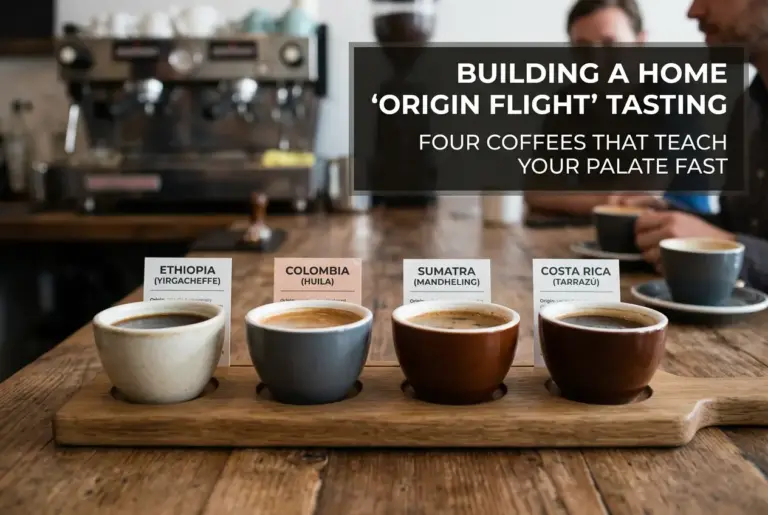
Building a Home “Origin Flight” Tasting: Four Coffees That Teach Your Palate Fast
» Discover special tips and stories about coffee