Ecuador Specialty Coffee: The Hidden Origin Worth Trying
Ecuador rarely shows up on cafe menus, and that is a shame because the country can produce seriously good coffee. If you want a new origin to geek out over, this Ecuador specialty coffee guide will get you started.
Most people can name Colombia, Ethiopia, or Guatemala without thinking, yet Ecuador stays in the background. That low profile means there are still lots of surprises, and some lots taste like they should cost more than they do.
Ecuadorian coffee beans come from a small but diverse set of growing areas, and the best producers lean hard into quality. When you buy the right bag, Ecuador coffee flavor can be clean, sweet, and oddly distinctive.
Why Ecuador is an overlooked coffee origin
Ecuador has long been better known for bananas, cacao, and flowers than for coffee. Coffee existed as a commodity crop for decades, but it rarely got marketed with the same confidence as its neighbors.
One reason is scale, because Ecuador’s total production is small compared with Colombia or Brazil. Small volume can be a disadvantage for export visibility, even when individual farms produce excellent microlots.
Another reason is inconsistency, since older supply chains mixed lots from many areas and quality levels. When a roaster cannot predict what will arrive, they move on to origins with steadier profiles.
What Would You Like to Learn Next?
Choose an option below:
The good news is that specialty producers have changed the story in the last decade. Better picking, tighter fermentation control, and direct trade relationships are putting Ecuador specialty coffee on the same playing field as more famous origins.
I also think Ecuador suffers from a simple branding problem, because people do not associate the country with coffee the way they do with Peru or Costa Rica. Once you taste a well roasted Loja or Pichincha lot, that mental gap starts to look silly.
Key growing regions: Loja, Pichincha, and the Galapagos
If you remember only three names from this Ecuador specialty coffee guide, make them Loja, Pichincha, and the Galapagos. Each area has its own altitude range, weather patterns, and common varieties, which shows up clearly in the cup.
Loja, in the south near the Peruvian border, is the region most specialty roasters talk about first. It is known for higher elevations, careful smallholder work, and lots that can taste floral and citrusy without turning sharp.
Pichincha sits in the north central Andes near Quito, and it includes valleys that can produce very sweet coffees. Some farms here focus on washed profiles with cocoa and stone fruit, while others push naturals and experimental ferments.
The Galapagos is the outlier, because it is an island origin with its own rules and constraints. Galapagos coffee can be clean and gentle, and it often carries a quiet herbal note that I do not usually get from mainland Ecuador coffee regions.
Beyond those three, you will also see names like Manabi, Zamora Chinchipe, and Imbabura on bags. They can be great, but Loja and Pichincha are the most reliable starting points when you are buying Ecuadorian coffee beans online.
Flavor profile: what Ecuadorian coffee tastes like
The best Ecuador specialty coffee tends to taste clean and sweet, with acidity that feels tidy rather than aggressive. I often get orange peel, panela, honey, and a tea like finish when the roast stays light to medium.
There is no single Ecuador coffee flavor, because processing and microclimate change the cup fast. Still, many lots share a soft texture and a balanced structure that works well for both filter coffee and espresso.
| Style or region | Common tasting notes | What it feels like in the cup |
|---|---|---|
| Loja washed | Orange, jasmine, cane sugar | Crisp acidity, clean finish |
| Pichincha washed | Cocoa, red apple, caramel | Round sweetness, medium body |
| Mainland natural | Strawberry, dried mango, rum | Heavier body, louder aromatics |
| Galapagos washed | Herbs, lemon, mild cacao | Gentle acidity, silky texture |
| Experimental anaerobic | Grape, tropical candy, spice | High intensity, long aftertaste |
Galapagos coffee: the island micro-origin with its own character
Galapagos coffee sounds like a souvenir product, but some of it is genuinely good. The islands have limited farmland and strict environmental rules, so production stays small and traceability is often strong.
Most coffee grows on the higher parts of islands like Santa Cruz and San Cristobal, where cooler air slows cherry development. That slower pace can build sweetness without pushing acidity too hard.
Galapagos coffee is usually washed, partly because humidity and logistics make long drying risky. When it is done well, the cup can taste like mild citrus, soft cocoa, and a subtle savory note that keeps it interesting.
Do not expect the same intensity you might chase in a competition natural from elsewhere. I like Galapagos coffee most as a calm morning filter brew, especially when I want clarity instead of fireworks.
Pricing can be confusing, because the word “Galapagos” can inflate costs even when quality is average. Look for farm names, harvest dates, and importer details, and treat vague tourist packaging as a warning sign.
How Ecuador’s geography creates unusual growing conditions
Ecuador sits on the equator, yet many farms grow coffee at cool temperatures because the Andes climb fast. That mix of latitude and altitude gives Ecuador coffee regions a weird advantage, since plants can mature slowly while still getting strong daylight.
The country also has two major climate influences, the Pacific and the Amazon basin. Depending on which side of the mountains a farm sits, rainfall patterns can flip, and harvest timing can shift by weeks.
Volcanic soils show up in parts of Pichincha and nearby provinces, and they can support dense, sweet beans when farm nutrition is managed well. Soil alone does not guarantee quality, but it helps when paired with good picking and careful drying.
Many Ecuadorian producers work on steep slopes with small plots, which limits mechanization. That slows everything down, but it also makes selective picking more realistic than on huge flat farms.
One tricky part is humidity, because cloud cover can linger and make drying unpredictable. The best farms invest in raised beds, covered patios, and moisture meters, and you can taste that discipline in the final cup.
Processing methods and their effect on Ecuadorian coffee
Processing is where Ecuador specialty coffee can swing from classic to wild in a single harvest. Washed lots often show the cleanest structure, while naturals and honey processes push fruit and heavier body.
When a producer nails fermentation control, Ecuadorian coffee beans can taste precise instead of funky. When they miss, the cup can turn sour or boozy fast, so I take processing notes on the bag seriously.
- Washed process for clean citrus and tea like finishes
- Honey process for sticky sweetness and softer acidity
- Natural process for berry aromatics and heavier body
- Anaerobic fermentation for intense fruit and spice tones
- Raised bed drying to reduce mold risk in humid zones
- Moisture target around 10 to 11 percent before storage
How to brew Ecuador specialty coffee at home
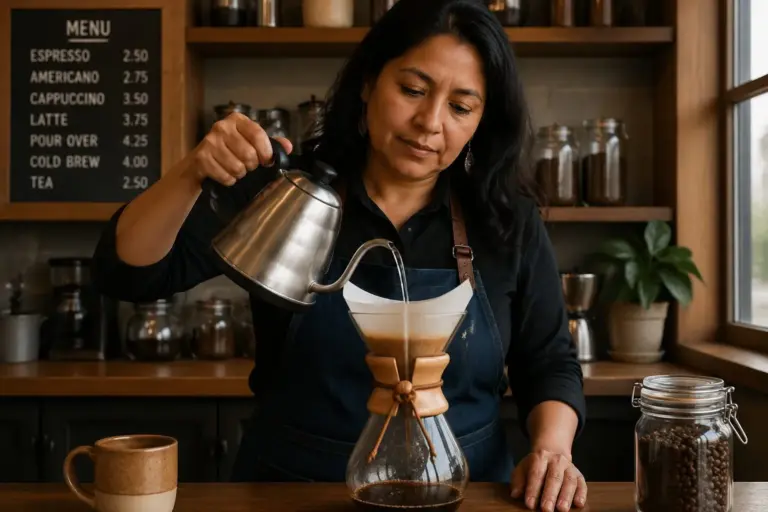
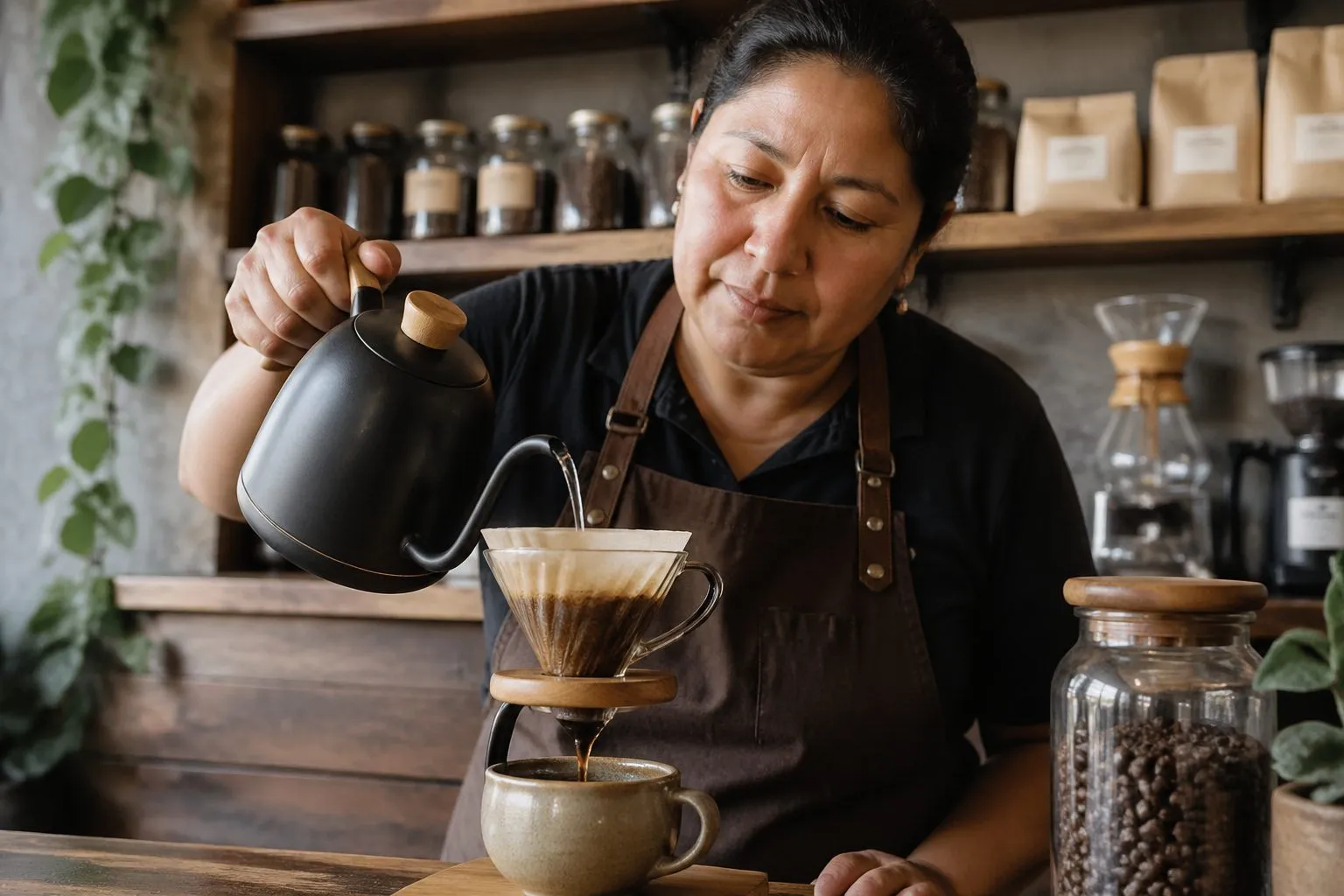
If you buy a washed Loja lot, start with a pour over recipe that favors clarity. I like a V60 or Kalita Wave with a medium grind and water around 200 to 205 degrees Fahrenheit.
For naturals or anaerobics from Pichincha, I tighten the ratio a bit to keep sweetness without turning the cup jammy. A 1:15 ratio often works better than 1:17 when the coffee already has big fruit.
Ecuadorian coffee beans can make a surprisingly elegant espresso, especially washed lots with caramel and citrus. Use a slightly lower brew temperature if the shot tastes sharp, and extend pre infusion if your machine allows it.
Immersion methods like the AeroPress or French press can smooth out acidity and bring out cocoa notes. If you want to taste the top end aromatics, keep steep times shorter and filter the cup well.
Water matters more than people admit, since many Ecuador coffees have delicate acidity that gets dull with hard water. If your tap water tastes chalky, try a simple carbon filter or a light mineral recipe made for coffee.
Coffee varieties and farm practices you will see in Ecuador
Many farms still grow Bourbon, Typica, and Caturra, and those can be excellent when yields stay low and picking stays strict. You will also see Castillo and Catimor types in some areas, especially where rust pressure is high.
Some producers experiment with Gesha, Sidra, and other varieties that fetch higher prices, and results vary. A great Gesha from Loja can taste floral and sweet, but a mediocre one just tastes expensive.
Farm practices range from very traditional shade grown plots to more modern layouts with measured fertilization. I tend to trust farms that talk plainly about nutrition, pruning cycles, and drying capacity, because they usually track quality like a craft.
Harvest labor is another reality, since selective picking costs money and requires training. When a bag lists multiple passes or hand selection, that often means the producer paid for better sorting instead of hoping for the best.
Some Ecuador coffee regions have producer associations that share wet mills or drying patios, and that can raise quality quickly. Shared infrastructure also makes it easier for smallholders to meet specialty specs without taking on huge debt alone.
Production, sustainability, and what “responsible” looks like in Ecuador
Sustainability in Ecuador coffee is complicated, because many producers are smallholders who already farm with low chemical inputs simply due to cost. That does not automatically mean the coffee is eco friendly, but it often means the baseline is closer to regenerative than people assume.
Water use is a big deal for washed coffee, and responsible mills recycle water and manage wastewater instead of dumping it into streams. If a roaster can tell you the mill name and the processing setup, that usually signals better oversight.
Shade trees can protect biodiversity and stabilize temperatures, but they also reduce yield if managed poorly. The best farms prune shade intentionally, keeping enough cover for soil health while still allowing airflow for drying and disease control.
On the social side, pricing transparency matters more than buzzwords. If you can find a bag that lists farm gate price, FOB price, or a clear premium paid for quality, you are closer to real accountability.
Galapagos coffee adds another layer, because the islands prioritize conservation and limit agricultural expansion. That constraint can protect ecosystems, but it also makes it harder for farmers to scale, so paying fairly for small lots is part of the deal.
How to find and buy Ecuador specialty coffee
The easiest way to start is to look for roasters that name the farm, community, and process, rather than selling a generic “Ecuador” blend component. A good Ecuador specialty coffee guide is useful, but the bag still needs real identifiers.
Check the roast date and buy small at first, because some Ecuadorian coffee beans show their best aromatics in the first month off roast. If a seller cannot tell you when it was roasted, I would skip it.
Importer notes can help, since many specialty Ecuador lots come through a few focused importers who work closely with producers. When you see detailed lot separation, cultivar info, and drying notes, that usually means the supply chain cares about quality.
If you want Galapagos coffee, treat it like any other micro origin and judge it by data, not by the name. Look for altitude, island, farm, and process details, and expect the best lots to cost more because shipping and compliance are expensive.
When you taste a coffee you like, buy it again and compare harvests, because Ecuador coffee flavor can shift with weather and processing tweaks. That repeat tasting is how you learn which Ecuador coffee regions fit your preferences instead of chasing random bags.
Conclusion
Ecuador deserves a spot in the specialty rotation, especially if you are bored with the same origin list every year. The best lots combine sweetness, clarity, and a sense of place that comes through even in simple home brewing.
Start with a washed Loja or a balanced Pichincha lot, then branch out into naturals and experimental ferments when you know what you like. If you are curious about island coffees, Galapagos coffee is worth trying at least once, as long as the bag is transparent about what you are paying for.
This Ecuador specialty coffee guide comes down to one idea, buy specific coffees from specific producers and taste with attention. When you do that, Ecuadorian coffee beans stop being a footnote and start earning a real place on your shelf.
Mexican Specialty Coffee: Chiapas, Oaxaca, and What to Expect in the Cup
» Discover special tips and stories about coffee