Grinder Retention Explained
Mastering coffee grind retention: Understand the factors affecting grind consistency and learn how to adjust your grinder for the perfect cup every time.
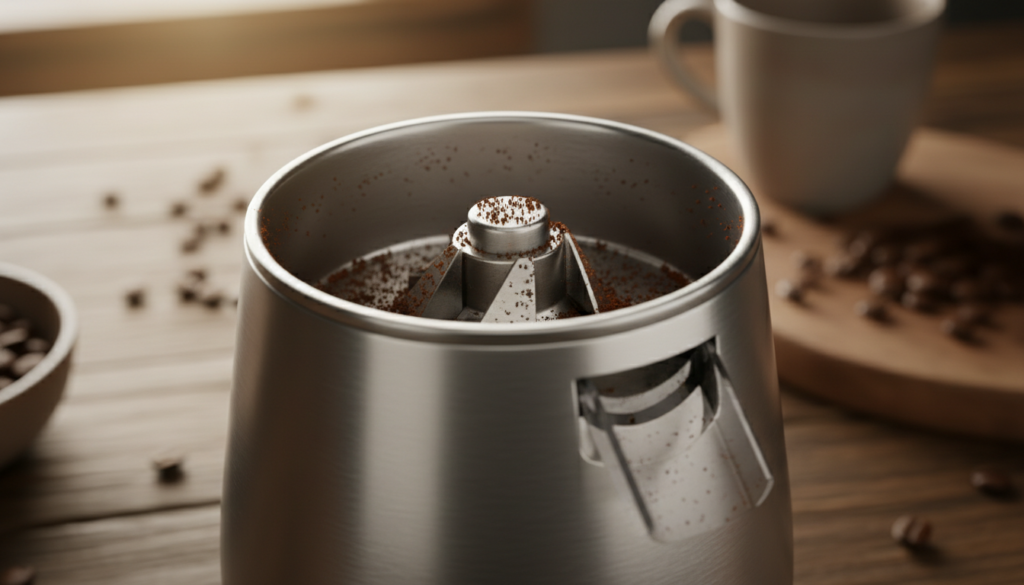
Grinder retention is the amount of grounds that stay inside the burr chamber and chute after a dosing cycle. In plain terms, some material always lingers in the mechanism, and those remnants can go stale over time.
This matters most to home espresso baristas who grind less often than a busy café. When grounds sit longer between shots, they lose freshness and can change the taste of the next dose.
In this article you will learn two main consequences to control: stale particles affecting flavor and delayed response when adjusting grind size. Both affect shot consistency and workflow speed.
Retention is a normal part of how a burr unit works. Its impact depends on grinder design, daily routine, and time between uses. This guide shows where grounds hide, why it affects espresso extraction, and step-by-step ways to lower leftover material.
Expect practical advice to help you choose routines like single dosing versus hopper use, and simple maintenance that keeps your shots consistent while cutting waste.
Key Takeaways
- Some amount of grind remains inside every burr grinder; it is normal.
- Leftover grounds lose freshness and can alter the next shot’s flavor.
- Home espresso users are most affected due to longer sit times.
- Reducing retained material improves consistency and lowers waste.
- The guide offers steps to find, reduce, and manage retained grounds.
What Coffee Grind Retention Is and Where It Happens in a Grinder
Ground particles often linger inside a grinder long after a dose finishes. Retention is simply the amount of ground material left inside after a cycle.
What Would You Like to Learn Next?
Choose an option below:
Where particles collect
The path runs from beans into the burrs, into the burr chamber, then down the chute to the portafilter. Small spaces in the chamber and chute act as “dead space” where grounds settle, especially once the motor stops.
Why retention occurs
Internal geometry, airflow, and static charge make total clearing unrealistic. Some makers leave a little residual material on purpose to ease flow and curb spraying caused by static.
Design choices that cut leftover material
Modern low-retention designs use straight-through paths, tighter burr-to-chamber tolerances, sharper burr geometry, and anti-static coatings. Removable parts also help users clear buildup during cleaning.
| Location | Why it traps particles | Common fix |
|---|---|---|
| Burr chamber | Horizontal surfaces and gaps | Tighter tolerances, brushing |
| Chute | Static cling and narrow passage | Straight-through path, anti-static parts |
| Removable ports | Crevices where buildup hides | Easy-access panels, regular cleaning |
Why Retention Matters for Espresso, Freshness, and Grind Size Changes
Old particles hiding in the burr chamber can blunt aroma and shift extraction quickly.
Stale grounds and flavor: Leftover coffee inside the mechanism ages like bread. When those stale particles mix into a fresh dose, they dull fragrance and can make the next espresso taste flat.
Mixing effect on dosing: New beans exit after older particles, so the effective recipe changes. Small carryover can alter weight and uniformity of a single dose.
Why adjustments lag
Changing grind size from coarse to fine or vice versa won’t show immediate results if old material remains. The wrong-size particles blend into the new mix and delay the expected change in flow and extraction.
| Issue | Cause | Practical impact |
|---|---|---|
| Stale carryover | Old grounds sit between uses | Flat aroma, dull taste |
| Adjustment lag | Wrong-size particles mix in | Slower dialing, inconsistent shots |
| “Gusher” first shot | Long time gap without purge | Too-fast flow, watery espresso |
The larger the retention amount, the more it affects cup quality and timing choices. The next section shows simple purges and routines to control this effect.
How to Reduce Coffee Grind Retention in Your Daily Workflow
Matching workflow to dosing style is the fastest way to reduce leftover grounds and stabilize output.
Choose a routine that fits your dosing
Single dosing rewards low-retention designs and a strict technique. Small carryover changes the amount coffee in the puck, so be consistent with order and tapping.
Hopper users benefit from timed dosing. A short purge before the first shot prevents stale particles from altering flow.
Practical purge framework
Base the purge on the time since last use and your grinder’s known retention level. If the gap is over 12 hours, run a one-second purge with a filled hopper to flush a few grams.
Large-retention grinders need a slightly bigger purge. For short gaps under 12 hours, a purge is usually unnecessary.
Quick cleanup and deeper maintenance
- Daily: knock loose ground, brush the chamber exit, then run briefly to clear loosened particles.
- Weekly/monthly: remove hopper parts, access the burr carrier, and clean the chamber and screens.
- Use bellows carefully: they clear trapped material but can push particles into new corners.
Prevent static and the first-shot “gusher”
Static makes ground cling and raises variability. Wiping contact surfaces and brushing the chamber reduces cling and stops a fast, watery first shot.
Repeatable technique — same purge, same taps, same order — keeps output within about one gram for sensitive setups. That consistency matters for home baristas and small cafés alike.
Conclusion
Choosing the right grinder and a short daily ritual reduces waste and speeds dialing in. Low retention matters most for single dosing, while timed dosing needs a brief purge to keep shots consistent.
Keep the process simple: a one-second purge when needed, regular brushing, and occasional deep cleaning. These steps protect freshness and make grind size changes show results faster.
A strong, consistent workflow beats perfection. Pick a grinder and routine that match how you brew, favor accessible design features, and maintain the burr chamber. Clean parts mean steadier doses, easier dialing, and better tasting coffee.
FAQ
What is grinder retention and where does it occur?
Why do all grinders show some amount of retained grounds?
How do the burr chamber and chute contribute to trapped particles?
Can grinder design intentionally reduce leftover material?
Why does leftover material matter for espresso and freshness?
How does retention affect changes to grind size or settings?
Should I single-dose or use the hopper to manage leftover grounds?
How much should I purge between shots or bean changes?
What causes the “gusher” first shot and how can I prevent it?
What quick daily cleanup helps keep trapped material low?
How often should I perform deep cleaning and maintenance?
Do tools like bellows or blowers help with leftover grounds?
How does static and clumping influence leftover material?
What grind size and burr choices affect how much material stays behind?
Are there specific grinder models or brands known for low holdover?
Why Cheap Coffee Often Tastes Burnt
» Discover special tips and stories about coffee