The Real Chemical Causes of Coffee Bitterness
Uncover the real chemical causes of coffee bitterness and get step-by-step guidance on how to minimize bitterness in your coffee. Explore coffee bitterness chemistry.
Why does a cup taste smooth one day and harsh the next? The answer lies in how compounds form and move during roasting and brewing. Chlorogenic acid breakdown products, caffeine, and phenolic derivatives drive many bitter notes.
Temperature and extraction play a big role. Hot water pulls bitter components faster, while cooling shifts aroma and receptor response so the same brew can taste milder as it cools.
Understanding these reactions lets you tweak brewing levers—water temperature, time, grind, ratio, and cleanliness—to keep flavor balanced without making your drink weak or flat.
Key Takeaways
- Bitterness comes from chlorogenic breakdowns, roast-made compounds, and caffeine.
- Higher temperature speeds extraction of bitter elements.
- Cooling changes aroma release and receptor sensitivity, altering taste.
- Adjust water temp, grind, time, and ratio to control extraction.
- Bitterness is not always bad—balance with sweetness and acidity for better flavor.
What “Bitter” Means in Coffee Taste and Why Your Tongue Detects It
Bitter flavors act as a biological warning system designed to help humans avoid harmful food. The tongue has roughly 25 types of bitter receptors, so even small amounts register strongly.
That sensitivity explains why a sip can taste sharp, yet many people learn to enjoy those notes when they come with a pleasant aroma and warming stimulation.
The brain blends smell and taste. What you call a bitter taste in a cup is often the combination of receptor signals plus roasty or smoky aromatics detected through the nose.
What Would You Like to Learn Next?
Choose an option below:
Temperature plays a big role. Hotter drinks make bitter receptors more responsive and release more volatile aroma compounds. That amplifies harsh or “roastier” impressions.
As the beverage cools, bitter signals drop and sweetness or acidity can become more noticeable. Mouthfeel matters too: warm oils coat the palate and can extend bitter sensations, while cooling shortens that lingering effect.
- Biology: bitter = warning, high sensitivity on the tongue.
- Context: aroma and warmth shape overall perception in the cup.
- Practical: knowing this helps separate real bitter compounds from sensory amplification caused by temperature and serving conditions.
Coffee Bitterness Chemistry: The Compounds That Make Coffee Taste Bitter
A cup’s harsh notes come from an array of specific molecules formed during roasting and extraction. These are not one single cause but many compounds that activate bitter receptors together.
Chlorogenic acids and lactones
Green beans contain chlorogenic acids that break down when heated. Heat transforms those acids into chlorogenic acid lactones, which give a steady, moderate bitterness that underpins many brews.
Phenylindanes and dark roast bite
As roast intensity increases, lactones can further change into phenylindanes. These molecules taste much sharper and explain why darker roasts often read as more aggressive.
Caffeine’s role
Caffeine is bitter, but it rarely drives an overly harsh cup alone. Most extreme sharpness comes from roast-formed and extraction-driven compounds rather than caffeine’s alkaloid bite.
Maillard products and phenolics
Heat reactions between sugars and amino acids create roasted flavors. When pushed too far, those Maillard products and certain phenolic byproducts add dry, ashy, or harsh notes.
“Roughly thirty bitter-active molecules can be present in a roasted brew, so taste often reflects a blend rather than a single culprit.”
- Define: bitter compounds = molecules that trigger bitter receptors.
- Look: lactone-like = mild; phenylindane-like = sharp; roasty/phenolic = ashy.
- Practical: identifying which class dominates helps decide whether to change roast or tweak brewing.
How Roasting Process Choices Increase or Reduce Bitter Coffee Notes
The roasting process is the main “bitterness builder” because heat transforms precursors in green beans into a wider set of roasty and bitter compounds.
Light, medium, and dark: balance by roast level
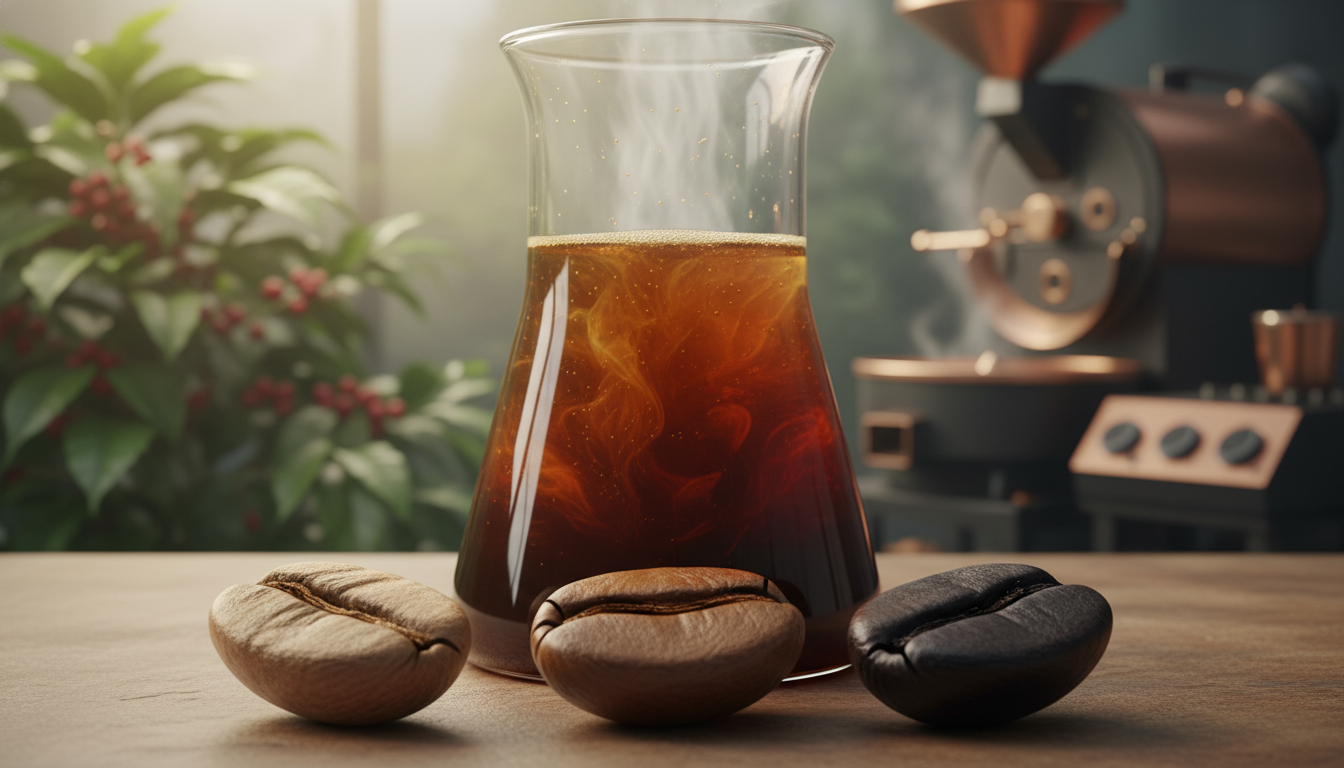
Light roast preserves more acidity and sugars, so cups often feel brighter and less harsh.
Medium roast tends to balance sweetness, acid, and roasted notes for a rounded profile.
Dark roast pushes chlorogenic derivatives further toward phenylindane-like forms, which increase sharp, dry sensations.
Why espresso-style roasts can read harsher
Espresso often uses darker roast development and high concentration. That combination concentrates roast-made compounds and can read more bitter depending on profile and extraction.
Bean variety and perceived balance
Arabica vs Robusta: Arabica normally has more sugars and fewer bitter alkaloids, so it tastes sweeter. Robusta has higher caffeine and lower sugar, which raises the chance of stronger bitter notes.
Quality and post-harvest factors
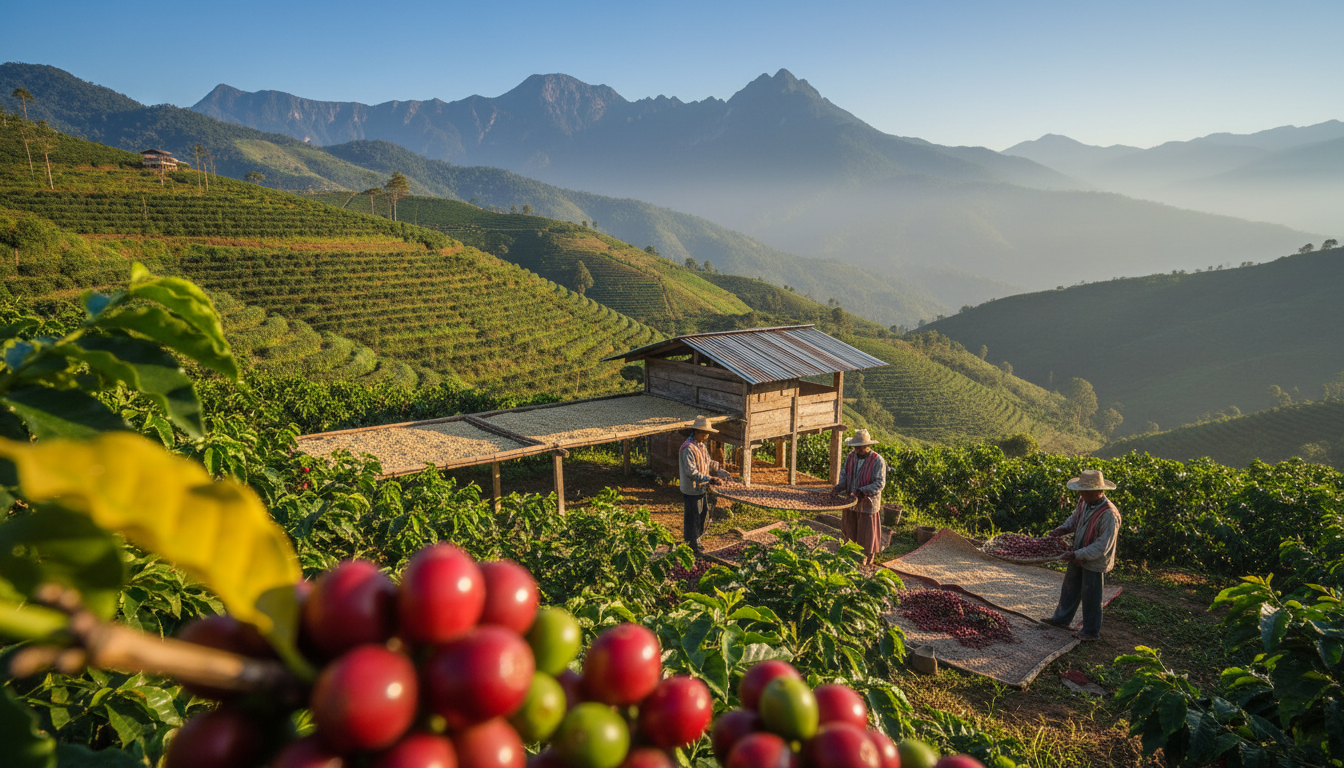
Poor drying, sloppy fermentation, or defective beans can create off-notes that brewing adjustments cannot fully fix.
“Better sorting, fresher roasting, and clear roast intent make harsher notes feel structured rather than abrasive.”
- Practical: choose a roast level and bean origin to match your palate.
- Quality: specialty coffee suppliers reduce defects that amplify unpleasant bitter tastes.
How to Minimize Bitterness During Brewing by Controlling Extraction
Adjusting extraction controls which compounds end up in the cup. Early in a brew, acids, oils, and aromatics come out first. Sugars follow, and the most drying, tannin-like compounds show up last.
Target water temperature
Keep brewing water between 195°F and 205°F (90.5–96°C). This range pulls desirable solubles while avoiding scalding that can make a cup coffee taste harsh.
Manage brew time
Watch total contact time. If the cup turns astringent, shorten the cycle or stop the brew earlier to avoid end-of-cycle tannins.
Match grind to method
Too fine a grind slows flow and increases extraction. Use coarser settings for pour-over and French press; reserve fine grinds for espresso-style brews.
Tune ratio and water quality
Balance dose and water to keep sweetness and acidity present without over-concentrating drying compounds. Use filtered water when tap minerals or chlorine affect extraction and flavor.
Choose method and keep gear clean
Immersion, percolation, espresso, and cold brew each extract differently—pick the method that fits your palate for a less bitter result.
Clean equipment regularly. Rancid oils and old grounds add off-tastes even when the recipe is correct.
Conclusion
What you perceive as sharp flavor is the result of roasted compounds, extraction level, and how your receptors respond.
The cause-and-effect chain is simple: roast transformations create lactones, phenylindanes and Maillard byproducts, brewing pulls them into the cup, and personal sensitivity shapes the final taste.
Key chemistry takeaway: chlorogenic-derived compounds shift from mild to sharp as roast development increases, so roast level strongly alters bitterness and acid balance.
Key technique takeaway: most overly bitter cups come from over-extraction. Control water temperature, brew time, grind, ratio, and cleanliness first to improve taste.
Quick troubleshooting: check freshness and equipment, then tweak brew variables, then reconsider roast or bean choice if the problem remains. Taste each cup for whether the note is sharp, roasty, or drying to target the right fix.
FAQ
What causes that sharp, bitter taste in my cup?
Is bitterness always a bad thing in a brewed cup?
Which specific compounds make darker roasts taste more bitter?
How much does caffeine contribute to the bitter taste?
How does roast level change the chemistry that causes bitter notes?
Why can espresso taste more bitter than drip even with the same beans?
Do bean type and processing affect bitter potential?
What water temperature best reduces harsh bitter extraction?
How can I prevent over-extraction and bitter taste when brewing?
Does water quality influence bitter flavors?
Can equipment cleanliness affect bitterness?
What brewing methods tend to produce less bitter cups?
How can I keep desirable roasted flavors while reducing harsh bitterness?
Are there sensory tricks to make bitter notes less noticeable?
How do storage and freshness affect bitter perception?
Why Cheap Coffee Often Tastes Burnt
» Discover special tips and stories about coffee