Coffee Acidity Explained: How Origin and Processing Change the Taste
Discover how origin and processing affect coffee acidity. Learn the science behind the taste and how to choose the right coffee for your taste buds.
Coffee acidity describes that bright, lively note you notice in a great cup, not just the pH number. Many U.S. drinkers think of acidity as harsh, but it often brings fruit-forward clarity and complexity to aroma and flavor.
This short guide shows how growing region, altitude, and post-harvest processing shape perceived acidity and overall taste. You will learn how roast level and brewing choices tune brightness from citrus and berry to mellow chocolatey notes.
Practical results: pick beans and roast levels that match your preference, or use simple brew adjustments to soften sharp notes without flattening the cup. We keep the science light and focus on perceived acidity versus pH, and why perception matters more for flavor.
Quick levers you can control today include roast choice, brew method, water, grind size, time, and add-ins like milk. The goal is not to erase acidity, but to balance it so each cup suits your taste.
Key Takeaways
- Acidity is a positive flavor trait that adds brightness and complexity.
- Origin, altitude, and processing strongly influence perceived acidity.
- Roast level and brewing method let you tune acidity without losing flavor.
- Perceived acidity matters more for taste than simple pH numbers.
- Simple adjustments—grind, time, water, or milk—can make your cup more balanced.
What “acidity” means in taste (and what it doesn’t)
Perceived acidity in a cup is less about pH charts and more about bright, lively notes you sense while sipping.
What it is: A pleasing sharpness that reads as bright, crisp, or wine-like. Pro tasters call this trait a marker of quality because it adds clarity and complexity to flavor.
What Would You Like to Learn Next?
Choose an option below:
Where you feel it
Acidity often hits the front of the mouth as a sharp lift. It can tingle at the tongue tip and leave a dry sensation on the back palate or under the tongue edges.
Pleasant vs sour
Sour or off notes usually come from stale beans, poor storage, or under-extraction—too short contact time, too-coarse grind, or too-cold water. Freshly ground beans kept cool and sealed taste best for roughly two weeks.
pH vs perceived sensation
The pH scale runs 0–14 (7 is neutral) and is logarithmic: pH 4 is ten times more acidic than pH 5. Brewed drinks typically fall near pH 4.8–5.1. Yet similar pH numbers can yield very different perceived acidity because aroma, roast, and extraction shape taste far more than small pH shifts.
- Quick takeaway: Focus on origin, roast, and brew method to shape perceived levels rather than chasing lab pH.
Coffee acidity by origin: how growing region and altitude shape flavor

Where beans grow sets the baseline for taste. Climate, soil, and elevation control how sugars and acids form in coffee beans. That baseline then interacts with roast and post-harvest choices to create the final cup.
Higher altitude, slower growth, brighter cups
Cooler temperatures at elevation slow bean maturation. Slower growth concentrates certain compounds, so Arabica grown high on slopes often shows higher acidity and clearer fruit-like notes.
Central America and East Africa: bright and vibrant
Look to Guatemala and Costa Rica for citrus-forward brightness. Kenyan lots can show wine-like or berry notes. These regions are reliable if you want lively, pronounced flavor profile.
Lower-acid origins to try
If you prefer a smoother cup, try Brazil or Sumatra. These origins often read as low acid and deliver more chocolatey, nutty, or earthy body without an aggressive bite.
Match origin to your taste
- If you like citrus zing, pick Central American beans.
- If you want berry or wine-like notes, try East African lots.
- If sensitivity matters, choose low acid origins for an easier drinking cup.
| Region | Typical Notes | Acidity Tendency |
|---|---|---|
| Guatemala / Costa Rica | Citrus, crisp fruit | Higher acidity |
| Kenya | Berry, wine-like | Higher acidity |
| Brazil | Chocolate, nutty | Low acid |
| Sumatra | Earthy, mellow | Low acid |
Tip: Origin gives you the map; roast and process let you tune brightness. Experiment with single-origin samples or small blends to find the flavor profile that fits your preference.
Processing and roast: the biggest levers for coffee acidity
Roast level is the fastest, most practical way to shift brightness and body in your cup. Even when you can’t change origin, switching roast moves perceived acidity, sweetness, and mouthfeel more than most other home adjustments.
Roast levels and why light roasts taste brighter
Light roast preserves many of the bean’s original acids and fruit-forward notes. Roasting at roughly 356–401°F stops development earlier, so volatile acids and nuanced aromatics remain.
Light roast vs medium roast: choose your balance
Medium roast (about 410–428°F) softens some acids and caramelizes sugars. The result is a rounder cup with more sweetness and fuller body.
Decision guide: pick light roast for crisp, nuanced flavors and medium roast for a balanced, sweeter profile that still shows some brightness.
Why darker roasts often taste less acidic
Dark roast (generally 464°F+ and longer time) breaks down many acids. The longer roasting time favors roast-driven notes like chocolate, toast, and smoke.
That makes dark roast coffee feel less acidic, but beware: very dark roast can introduce bitter or burnt flavors, especially from lower-quality beans.
- Practical tip: Match roast to brewing style — bright pour-over with light roast, rounded drip with medium, bold espresso or milk drinks with dark roast.
- Next, we’ll look at bean type and the specific acids that shape these flavor differences.
Bean type and coffee compounds: what’s inside the coffee bean
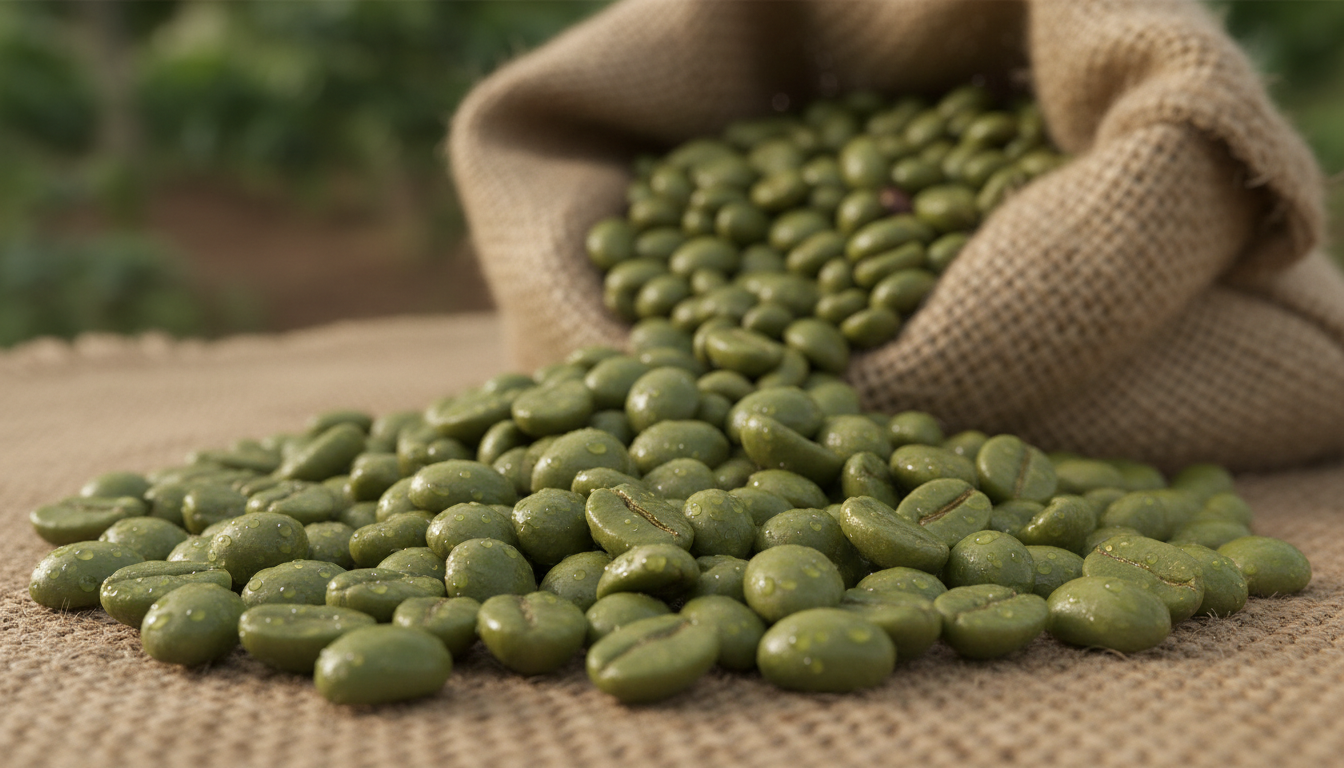
Different bean varieties pack distinct sugar and acid balances that shape flavor before you roast or brew. The raw chemistry inside each coffee bean sets a baseline for brightness, sweetness, and body.
Arabica vs Robusta: which type is more acidic and why
Arabica tends to be more aromatic and shows higher perceived acidity because it grows and matures more slowly. That slow development concentrates sugars and nuanced acids.
Robusta is often less acidic, earthier, and more bitter. It usually contains roughly twice the caffeine, which can make the cup feel heavier for some drinkers.
The major acids in a bean and the flavors they suggest
Inside the seed are many acids that influence taste. Different mixes can read as citrusy, tangy, or wine-like depending on roast and extraction.
| Rank | Acid | Typical flavor cue |
|---|---|---|
| 1 | Chlorogenic | Complex bitterness, fruit-like precursors |
| 2 | Quinic | Dry, slightly astringent notes |
| 3 | Citric | Citrus brightness |
| 4 | Acetic | Tangy, vinegar-like in high amounts |
| 5 | Lactic | Soft, creamy acidity |
| 6 | Malic | Green apple, crisp |
| 7 | Phosphoric | Clean, sparkling sensation |
| 8 | Linoleic | Fatty, mouthfeel influence |
| 9 | Palmitic | Stability, body |
Chlorogenic acids and other common compounds
Chlorogenic acids are the most abundant and shape much of the bean’s flavor during roast. They break down into quinic and other molecules that affect bitterness and brightness.
Caffeine and digestive sensitivity
“Some people find acidic coffee harsher not only from the acids themselves but because caffeine can stimulate stomach acid production.”
If reflux or heartburn is a concern, try lower-caffeine or decaf options and choose lower-acid origins. Brewing and roast also change how these compounds extract, so method matters as much as bean type.
How to make coffee less acidic at home (without losing flavor)
If your morning cup feels sharp, simple changes at home will tame brightness while keeping the taste you enjoy.
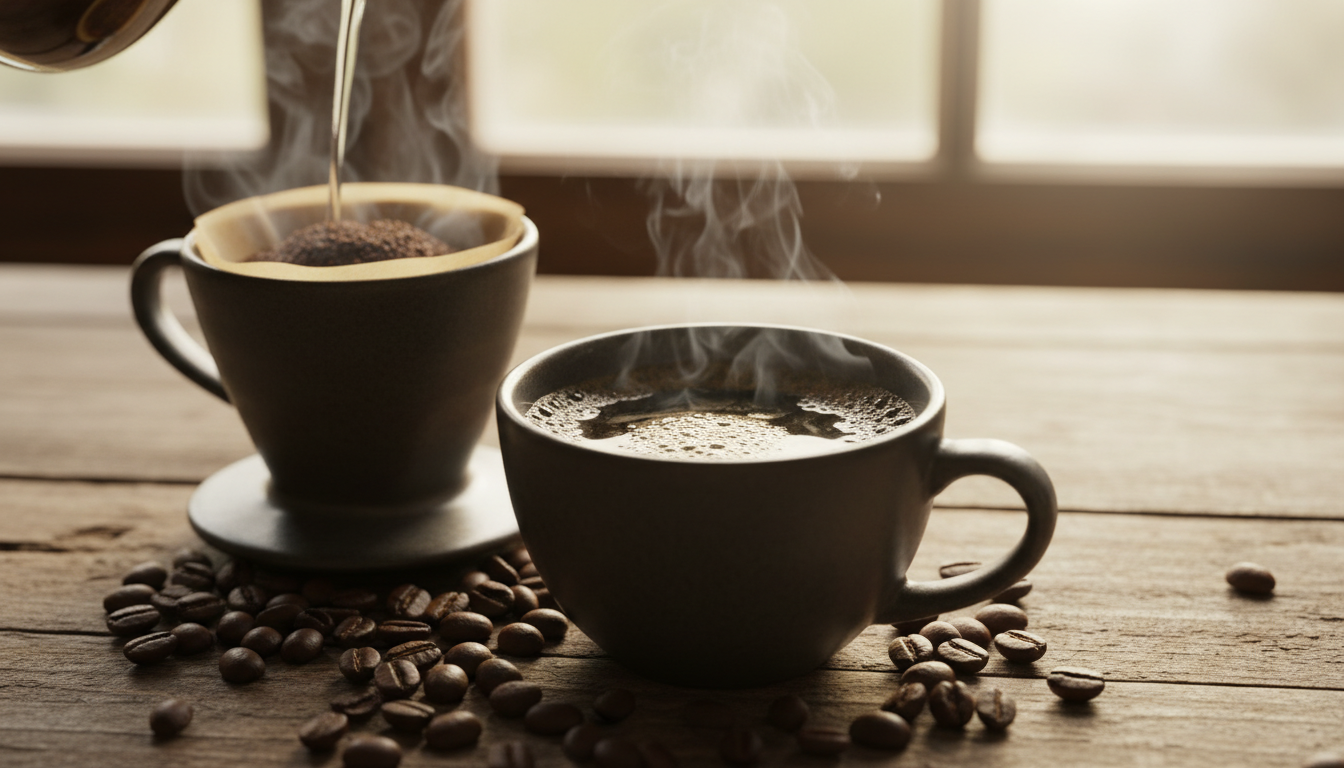
Start with the brew method. Cold brew extracts far fewer acidic compounds than hot methods and is often reported as roughly 60–70% lower in perceived acidity. For a quick baseline, use a coarse grind, steep ground coffee in cold or room-temperature water for 8–24 hours (many prefer ~24 hours), then filter and chill.
Dial in grind size and contact time
Under-extraction feels sour. Try a coarser grind and slightly longer steep or contact time to smooth sharp notes. For press or cold steeping, use coarser coffee grounds and test shorter or longer times in small steps.
Roast and bean swaps that work
Choose dark roast or blends with Robusta, or pick Brazil/Sumatra-style beans for a lower acid profile. A darker roast coffee will taste rounder without erasing character.
Water and add-ins
Water chemistry matters: calcium-enriched or slightly alkaline water often tastes smoother than very soft water. Adding milk or cream buffers acidity by dilution. A tiny pinch of salt can also blunt sharp notes and make flavor feel fuller.
- Method ranking (least → most acidic): cold brew → espresso → French press → drip/pour over.
- Quick routine: pick one low acid bean, one trusted method, and one water approach to keep mornings consistent.
Keep flavor in mind:change one variable at a time. Too many swaps can make the cup flat rather than pleasant.
Conclusion
The lively notes you notice reflect origin, processing, and roasting decisions combined with how you extract the cup. Coffee acidity is mostly about flavor and mouthfeel, not only a lab pH.
Origin sets the baseline, roast and processing reshape it, and brew method decides what lands in the cup. Light roasts highlight bright notes; dark roast mutes them and favors roast-forward flavor.
To lower perceived acidity, try cold brew or a darker roast, then fine-tune grind, time, and water. Brewed drinks usually sit near pH 4.8–5.1, but small pH shifts don’t predict taste as well as roast, extraction, and specific acids.
Pick one variable to change, taste side-by-side, and keep notes. In the end, the best coffee is the one that matches your taste and feels good to drink.
FAQ
What does "acidity" mean in tasting terms?
Where do you perceive acidity in the mouth?
How is acidity different from sour or stale taste?
Does pH equal perceived acidity?
What is the typical pH range of brewed beverages?
How does origin and altitude affect flavor brightness?
Which regions produce brighter, fruit-forward profiles?
What origins make smoother, lower-acid cups?
How do I match origin to my taste preference?
How does roast level change perceived brightness?
Why might a dark roast seem less acidic?
Are Arabica or Robusta beans more likely to taste brighter?
What acids influence flavor and how do they taste?
What role do chlorogenic acids play?
Can stimulant compounds affect digestion when a cup feels acidic?
Which brewing method reduces perceived brightness the most?
How does grind size and brew time change perceived acidity?
What practical swaps lower brightness without losing flavor?
How can water and add-ins help soften sharp flavors?
Why Cheap Coffee Often Tastes Burnt
» Discover special tips and stories about coffee