Costa Rica Tarrazú vs West Valley: Picking the Right Clean, Sweet Cup for Pour-Over
Trying to pick between Costa Rican coffees? It often comes down to two famous regions: Tarrazú versus West Valley.
Both produce clean, sweet cups perfect for your pour-over. But their flavors are distinctly different.
This guide breaks down exactly what to expect from each, helping you choose the right beans for your specific taste.
Tarrazú: Bright Acidity and Classic Sweetness
Tarrazú is perhaps Costa Rica’s most legendary coffee region. Its reputation is built on coffees that are exceptionally clean and bright.
Think of a vibrant, crisp flavor. The defining feature here is a brilliant acidity, often described as lively and sparkling.
Flavor notes often lean towards citrus fruits like lemon and orange blossom. You’ll also find hints of sweet stone fruits like apricot.
What Would You Like to Learn Next?
Choose an option below:
Many Tarrazú coffees have a comforting base of chocolate and nutty notes, making them balanced and highly approachable.
Expect: Red fruits like cherry, floral aromas, and a clean, elegant finish. It’s a classic profile that rarely disappoints.
Lighter roasts will highlight the floral and fruity side. Medium roasts bring out more caramel and milk chocolate notes.
West Valley: Fuller Body and Tropical Fruit Notes
While Tarrazú is the classic, West Valley has become a hub for innovation and complex, fruit-forward coffees.
The first thing you might notice is the body. West Valley coffees tend to have a fuller, silkier texture in the cup.
The flavor profile often explodes with tropical fruits. Think pineapple, mango, and juicy red grapes.
This is complemented by a deep sweetness, like brown sugar or rich honey. The acidity is still bright but often feels more rounded.
Thanks to pioneering producers, you’ll find many unique processing methods here, creating “fruit bomb” micro-lots.
Expect: Tropical and citrus fruits like pineapple and orange juice, a creamy body, and a deep, sugary sweetness.
These coffees can be incredibly complex, with layers of flavor that change as the cup cools.
How to Choose for Your Pour-Over
Your choice depends entirely on the kind of clean, sweet cup you enjoy most. Pour-over is perfect for highlighting the nuances of both.
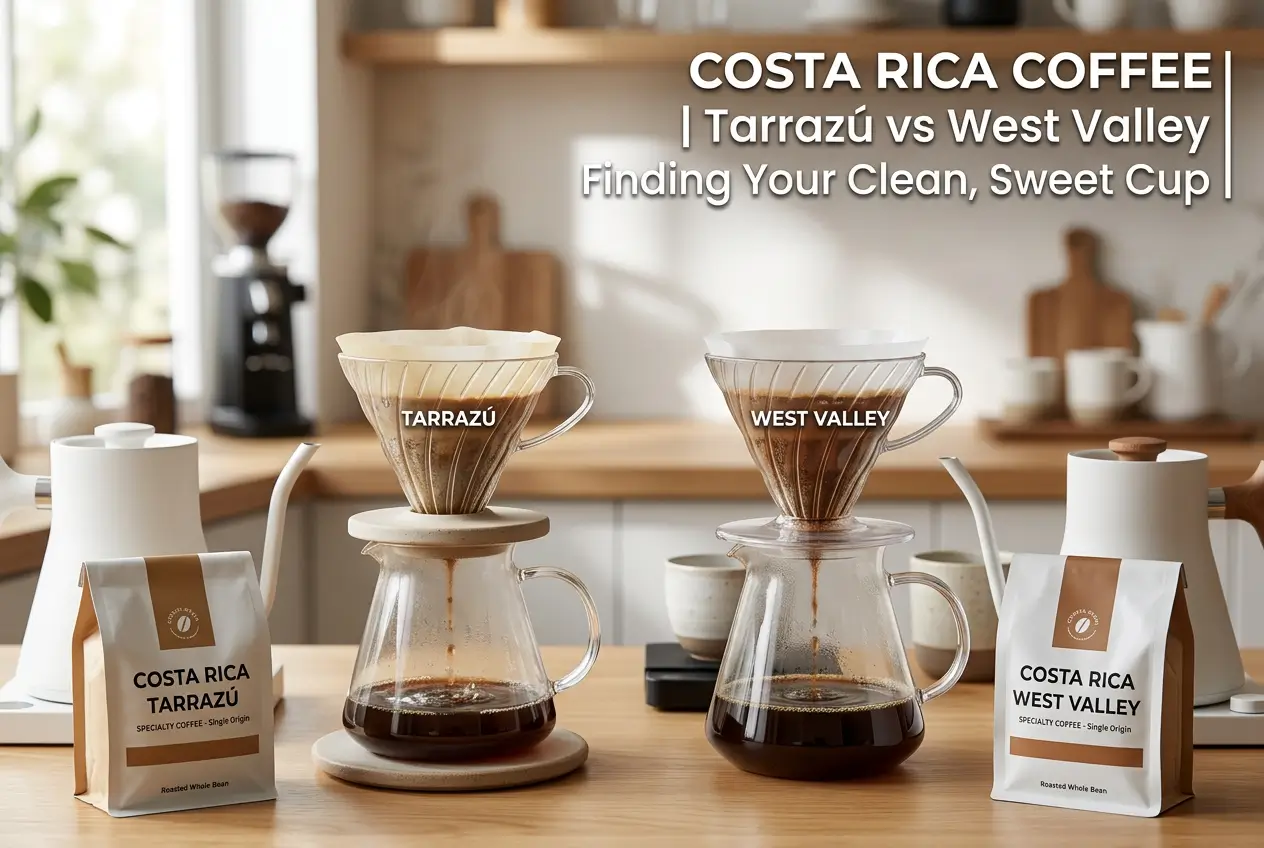
Here’s a simple breakdown to help you decide.
- Choose Tarrazú if: You love a bright, crisp, and clean cup with vibrant citrus and floral notes. It’s for those who prize acidity and elegance.
- Choose West Valley if: You prefer a fuller body, a silky texture, and intense fruity sweetness with tropical or stone fruit flavors.
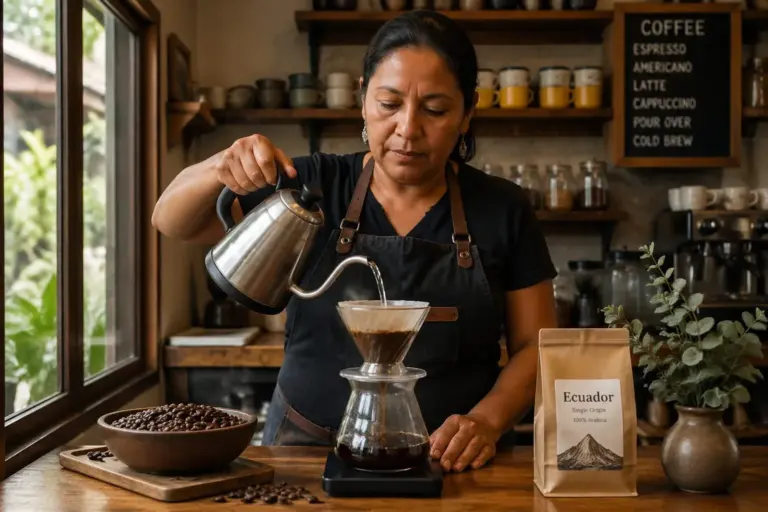
For a dripper like the Hario V60, which highlights acidity, a Tarrazú coffee will shine, producing a very aromatic and lively brew.
If you use a Chemex, its thicker filter can smooth out the body of a West Valley bean, creating a super clean cup that highlights its delicate floral notes.
What to Look for When Buying Beans
Beyond the region, a few details on the coffee bag can tell you a lot about the flavor inside. Pay attention to these factors.
1. Processing Method
This is one of the biggest influences on taste. The label will usually say how the coffee cherry was removed from the bean.
- Washed: This process creates the cleanest flavor. It results in bright acidity and clear notes. Common in Tarrazú.
- Honey: Leaves some fruit pulp on the bean while it dries. This boosts sweetness and body, adding fruity complexity. Very popular in both regions.
- Natural: The whole coffee cherry is dried intact. This creates intense, wine-like fruit flavors and a heavier body. Often found in West Valley.
2. Roast Date
Freshness is non-negotiable. Coffee is at its peak flavor within a few weeks of roasting. Always check the roast date on the bag.
Avoid bags that only have a “best by” date. You want to know exactly when it was roasted.
3. Altitude
Both Tarrazú and West Valley are high-altitude regions. Coffee grown above 1,200 meters matures slower, developing more complex sugars and acids.
This is why these coffees have such dynamic and interesting flavors. Higher is often better for flavor complexity.
Perfecting Your Pour-Over Technique
To get that clean, sweet cup, your brewing method matters. These simple tips will help you extract the best from your Costa Rican beans.
- Grind Fresh: Only grind the beans right before you brew. A medium-fine grind, like table salt, is a great starting point for most pour-overs.
- Water Temperature: Use water between 195-205°F (90-96°C). Hotter water can pull out more acidity; cooler water can emphasize sweetness.
- Use Good Water: Filtered water is a must. Tap water with heavy minerals or chlorine can easily ruin the delicate flavors of specialty coffee.
- Start with a 1:16 Ratio: This means 1 gram of coffee for every 16 grams of water. It’s a balanced starting point you can adjust to your preference.
- Don’t Forget the Bloom: Pour a small amount of water (about twice the weight of your coffee) to wet the grounds. Let it sit for 30 seconds. This releases gas and prepares the coffee for an even extraction.
Experiment with small changes to your ratio or grind size. This is how you dial in the perfect recipe for your specific coffee.
Where to Find Quality Beans in the U.S.
You don’t have to travel to Costa Rica to find these amazing coffees. Many specialty roasters in the U.S. source directly from these regions.
Look for roasters who provide detailed information about their coffees. Transparency is a sign of quality.
- Specialty Roasters: Companies like Cumbre Coffee, Happy Mug, and Lancaster County Coffee Roasters often feature single-origin lots from Tarrazú and West Valley.
- Online Coffee Retailers: Websites dedicated to specialty coffee are a great resource. They often curate selections from various top-tier roasters.
When buying online, read the tasting notes carefully. Roasters work hard to describe what you’ll experience in the cup.
Key Tip: Always look for the region, processing method, and roast date. This information is your best guide to finding a coffee you’ll love.
Your Next Step to a Better Cup
Choosing between Tarrazú and West Valley is a delicious journey, not a test. There is no wrong answer, only different experiences.
If you’re unsure, start with a washed Tarrazú for a classic, clean profile. If you feel adventurous, grab a honey or natural process West Valley.
The best way to learn is by tasting. Pick a region that sounds appealing and start brewing. Your pour-over skills will thank you.
Ecuador Specialty Coffee: The Hidden Origin Worth Trying
» Discover special tips and stories about coffee