Kenya AA vs Peaberry: What U.S. Buyers Should Expect in Sweetness, Juiciness, and Finish
You see two bags of Kenyan coffee. One says “Kenya AA,” the other “Kenya Peaberry.” Both sound premium, but what’s the real difference in your cup?
It’s a common question for anyone exploring high-end imported coffees. The choice boils down to a classic, balanced profile versus a rare, intense one.
This guide breaks down exactly what U.S. buyers should expect from each. We’ll compare sweetness, juiciness, and finish to help you buy the perfect bean.
What Do “AA” and “Peaberry” Actually Mean?
First, let’s clear up a major misconception. In Kenya, these labels are about the physical bean, not a direct measure of quality or flavor.
The Kenyan grading system sorts beans by size after they are processed. Bigger beans are often associated with more complex flavor development.
- Kenya AA: This is a size grade. “AA” signifies the largest and often densest beans from the harvest, a prized characteristic.
- Kenya Peaberry (PB): This is a natural mutation. Instead of two flat-sided seeds inside the coffee cherry, only one small, round seed develops.
This single, round Peaberry bean occurs in only 5% to 10% of the crop. It must be meticulously sorted by hand, which adds to its rarity.
What Would You Like to Learn Next?
Choose an option below:
Kenya AA: Vibrant Complexity and Balanced Acidity
Kenya AA is the quintessential specialty coffee experience for many. It’s famous for a flavor profile that is both complex and incredibly well-balanced.
Think of it as a finely tuned orchestra where every instrument plays its part perfectly. Nothing overwhelms; everything harmonizes.
Sweetness: The sweetness in a Kenya AA is typically subtle and bright. It works to balance the coffee’s signature acidity, not overpower it.
You might taste notes of blackcurrant or other red fruits. Some brews reveal a delicate honey-like sweetness or a sweet, spicy aftertaste.
Juiciness (Acidity and Body): This is where Kenya AA truly shines. Its acidity is often described as “vibrant” or “brilliant,” like a good wine.
This bright acidity creates a “juicy” sensation in your mouth. It’s complemented by a medium-to-full body with a smooth, almost silky texture.
Finish: The experience concludes with a clean, well-rounded, and often sweet finish. The fruity and winey notes linger pleasantly on the palate.
Kenya Peaberry: Concentrated Sweetness and Intense Flavor
The Peaberry is a different beast entirely. Its unique, round shape allows it to roast more evenly, which can lead to a more concentrated flavor.
If the AA is an orchestra, the Peaberry is a powerful solo performance. The flavors are often more intense and focused.
Sweetness: Peaberry coffee is often praised for having a deeper and more pronounced sweetness compared to its AA counterpart.
Expect notes of dried fruits like raisins, brown sugar, or even rich chocolate. This sweetness is often described as complex and satisfying.
Juiciness (Acidity and Body): The acidity is still bright, but it can be more pronounced or “piquant.” It has a vivid, zesty quality.
Tasting notes often lean toward ripe tropical fruits, such as strawberry or guava, with a lemony kick. The body is typically medium to full and smooth.
Finish: The finish of a Kenya Peaberry is typically clean and crisp. Some describe a dry, citrusy, or winey aftertaste that is very refreshing.
Side-by-Side: A Quick Guide for Your Next Purchase
Still on the fence? This direct comparison can help you decide which bag to bring home based on what you value most in a cup of coffee.
| Feature | Kenya AA | Kenya Peaberry |
|---|---|---|
| Main Trait | Complex & Balanced | Concentrated & Intense |
| Sweetness | Subtle, blackcurrant, honey | Deep, brown sugar, chocolate |
| Juiciness | Bright, wine-like, silky body | Pronounced, zesty, vivid body |
| Finish | Well-rounded and sweet | Clean, crisp, and citrusy |
| Best For | Lovers of classic, layered flavors | Drinkers who prefer a bold, sweet cup |
How to Brew for the Best Flavor
Your brewing method can either highlight or hide the unique qualities of these beans. A great grinder and filtered water are always your starting point.
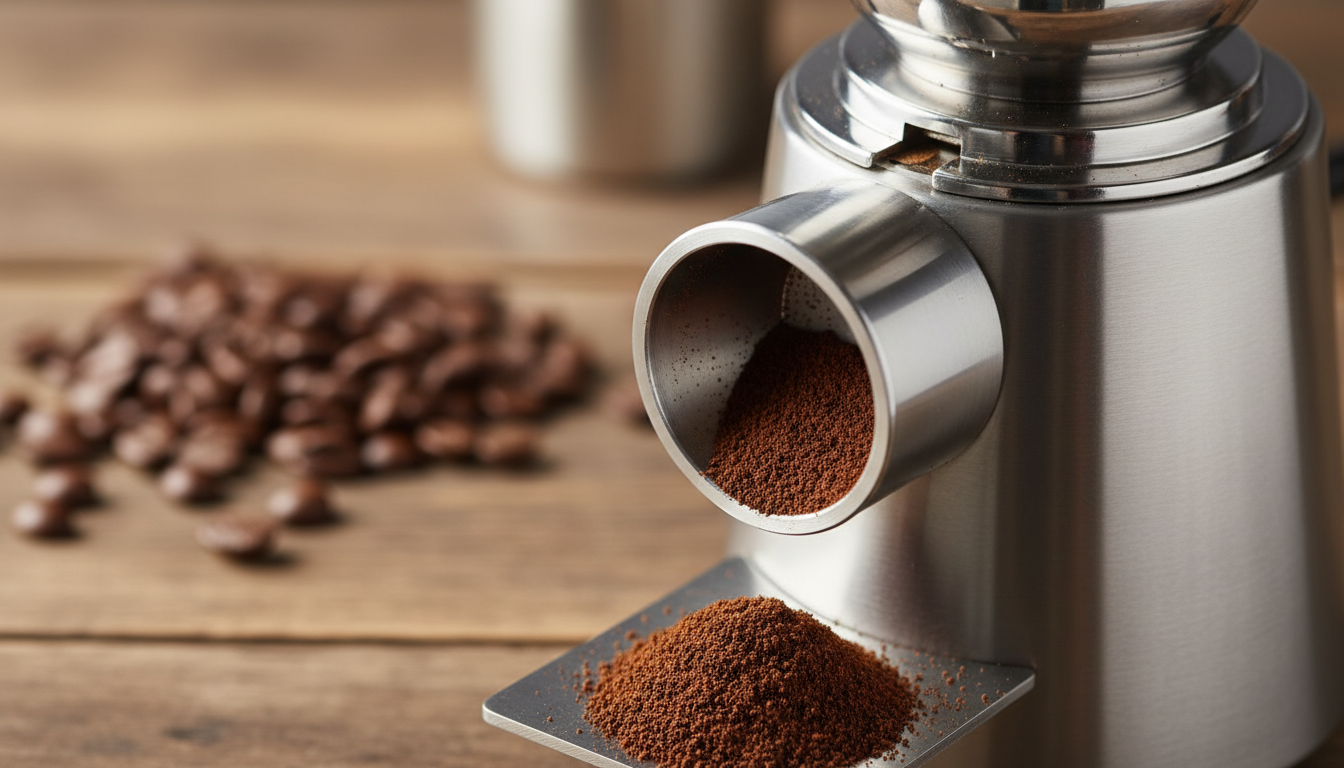
Pro Tip: Always use a burr grinder. Blade grinders smash beans unevenly, leading to a muddy and inconsistent taste in your final cup.
For Kenya AA, you want to showcase its complexity and bright acidity. Methods that produce a clean cup are your best bet.
- Pour-Over (V60, Chemex): This is the ideal method. It allows the layered notes of fruit and florals to shine through with exceptional clarity.
- Drip Coffee Maker: A high-quality filter machine can also produce a great cup, highlighting its balanced and juicy character.
For Kenya Peaberry, the goal is to celebrate its concentrated sweetness and intense flavor profile. It’s versatile but rewards careful brewing.
- Pour-Over: Also an excellent choice here, as it can manage the Peaberry’s bold acidity while letting its deep sweetness come forward.
- AeroPress: This method can produce a rich, full-bodied cup that emphasizes the Peaberry’s chocolatey and fruity notes.
Finding Quality Beans in the United States
You won’t find top-tier Kenyan coffees in the supermarket aisle. You need to look for specialty coffee roasters who value transparency.
Here’s what to look for on the bag or website:
- Roast Date: This is critical. Coffee is a fresh product. Buy beans roasted within the last few weeks for the best flavor.
- Tasting Notes: Good roasters will list expected flavors (e.g., “blackcurrant, grapefruit, honey”). This helps you match the coffee to your preference.
- Origin Information: Details like the specific region or cooperative in Kenya can indicate a higher level of sourcing quality.
Because Peaberry is rarer and requires extra labor to sort, it is often sold at a higher price than AA from the same harvest. It’s a special treat.
Look for local specialty coffee shops or browse the websites of reputable U.S. roasters online. Many now ship directly to your door.
The Final Verdict: Is One Really Better?
There is no “better” coffee here, only what is better for your palate. The choice between Kenya AA and Peaberry is entirely about personal preference.
Think about what you enjoy in other foods and drinks. Do you prefer a complex red wine or a rich, dark chocolate bar? Your answer can guide you.
Choose Kenya AA if you seek a vibrant, sophisticated cup with layers of fruit and a wine-like acidity. It’s the benchmark for classic Kenyan coffee.
Choose Kenya Peaberry if you crave an intense, sweeter flavor profile with a zesty punch. It’s perfect for those who love a bold and unique experience.
The best way to know for sure is to try both. If possible, buy small bags of each from the same roaster to truly taste the difference.
Now you can walk up to that coffee shelf with confidence, knowing exactly which Kenyan bean will give you the morning cup you’re looking for.
Brazil Cerrado vs Sul de Minas: Finding Nutty Chocolate Cups That Taste Great Black or With Milk
» Discover special tips and stories about coffee