Coffee Strength vs Flavor Intensity: What’s the Difference?
Uncover the secrets of coffee strength and flavor. Get a step-by-step guide on choosing the ideal coffee strength and understanding its relation to flavor intensity.
This article will clear up a common mix-up: when people say a drink is “strong,” they often mean bitter, dark, or bold. In technical terms, strength refers to concentration in the cup, usually measured by total dissolved solids (TDS). That is different from perceived flavor intensity.
You will learn what strength means, how it’s measured, and how to change it without spoiling taste. We’ll also explain how caffeine and TDS can point in different directions. One goal may aim for higher concentration, another for more caffeine, and a third for a bolder sensory experience.
Why this matters: when you can name the variable you want to change, you can adjust one factor at a time. Later sections cover ratios by weight, grind, extraction, and using a refractometer, plus why brewing choices—not just roast—shape the final cup.
Key Takeaways
- “Strength” is a measure of dissolved solids, not just bitterness.
- Caffeine and concentration are related but not the same.
- Describe the result you want before you change your method.
- Simple tools—ratios, grind, extraction time—give repeatable results.
- Brewing technique matters as much as the roast for final taste.
Why “Strong Coffee” Means Different Things to Different Coffee Drinkers
For many coffee drinkers, the word “strong” covers several ideas: higher caffeine, darker roast, a heavier body, or simply a bolder impact. People use that shorthand without knowing whether they mean concentration or just sensory intensity.
Clear words help: call concentration “strength” (how much is dissolved), call sensory punch “intensity,” and call the process “extraction.” Mixing those terms makes troubleshooting harder.
Why bitterness gets mislabeled
Dark, smoky flavors or a thick mouthfeel often read as “strong” even when the cup is weak in dissolved solids. Bitterness and harshness usually point to over-extraction, stale beans, or an overly dark roast — not higher concentration.
What Would You Like to Learn Next?
Choose an option below:
A simple analogy
Think of orange juice versus orange concentrate: you can make a more concentrated drink without adding bitterness. The same applies to brew concentration — you can have a stronger cup that still tastes smooth.
- Ask what you want: more concentration or more intensity?
- Fix a weak cup by changing ratio; fix bitter notes by adjusting grind, time, or temperature.
“Name the change you want before you change your method.”
Coffee Strength vs Flavor Intensity: The Core Difference
What’s dissolved in the brew is a measurable variable; how it hits your senses is a separate phenomenon.
Coffee strength as concentration (what’s in the cup)
Strength here means the amount of dissolved material in the cup relative to the water used. A higher concentration means more dissolved solids per sip.
Flavor intensity as sensory impact (aroma, roast notes, body)
Intensity comes from aroma, roast-derived compounds, and mouthfeel. Darker roast coffee or certain brewing styles can sound and smell louder even if the concentration is low.
How you can get a strong cup that still tastes smooth
You can raise concentration by changing the ratio of grounds to water while keeping extraction balanced. That avoids pushing roast notes into bitterness.
- Define your target: measurable concentration (TDS) or sensory punch.
- Increase dose to raise concentration; tweak grind and time to keep extraction clean.
- Choose roast and beans that match the flavor profile you want at higher concentration.
| Factor | Drives Concentration | Drives Intensity | How to control |
|---|---|---|---|
| Ratio | High impact | Low impact | Adjust grounds per water to set concentration |
| Grind & Time | Moderate | High | Finer grind and longer contact increase extraction and body |
| Roast level | Low | High | Pick roast to shape aroma and roast-derived notes |
| Measurement | Essential (TDS) | Subjective | Use a refractometer and a repeatable recipe |
“You can increase concentration without adding bitterness—measure and adjust one variable at a time.”
What Actually Measures Coffee Strength: TDS and Concentration
Total dissolved solids (TDS) is the share of dissolved material in the cup versus plain water. It is the most direct way to quantify how concentrated a drink feels.
Typical TDS ranges by common methods
Use these benchmarks to check whether brewed coffee is objectively concentrated or thin.
| Brewing method | Typical TDS (%) | What it means | Practical note |
|---|---|---|---|
| Pour over | 1.2–1.5 | Balanced clarity and body | Use ratio to raise concentration |
| French press | 1.4–1.7 | Heavier body, more dissolved solids | Coarse grind keeps extraction cleaner |
| Cold brew | 1.4–1.6 | Smoother, time-driven extraction | Concentrates can be diluted with water |
| Espresso | 8–12 | Very concentrated in a small cup | High TDS due to small beverage volume |
How to test at home
A refractometer reads how light bends through a sample to estimate dissolved solids. You place a drop, read TDS, and note a repeatable number for your brew.
Extraction Yield ties dose, beverage weight, and TDS together:
Extraction Yield (%) = (Brewed coffee weight (g) × TDS(%)) / Dose (g)
“Measuring is optional, but a TDS reading helps solve watery or over-extracted brews without guessing.”
Caffeine Content vs Brew Strength: How They Overlap (and Don’t)
Caffeine content and measured concentration often overlap, but they answer different questions about your cup.
Concentration (TDS) tells you how much dissolved material is in every sip. Caffeine content reports how much stimulant is in the drink. A small, highly concentrated shot can be high in TDS but still have less total caffeine than a large mug.
When higher caffeine does — and does not — mean a stronger drink
A single ounce of espresso can pack 66–80 mg of caffeine and 8–12% TDS, so it feels intense. Yet a standard mug of auto drip may deliver more total caffeine because of larger volume even with lower TDS.
Method comparisons: caffeine per ounce and TDS
| Method | Avg caffeine / oz (mg) | Typical TDS (%) |
|---|---|---|
| Espresso | 66–80 | 8–12 |
| Moka pot | 48 | 1.4–1.8 |
| Phin filter | 28–35 | 1.6–2.2 |
| Turkish | 25 | 6–10 |
| Auto drip | 8–15 | 1.3–1.6 |
| Cold brew | 12–13 | ~1.4–1.6 |
Practical notes and safety
Because serving size varies, concentrate per ounce and total caffeine per serving can tell different stories. Drip and pour-over may taste lighter but still add meaningful caffeine over a morning.
“Keep daily totals in mind: the FDA suggests about 400 mg of caffeine per day for most adults.”
Next step: decide whether you want higher concentration, more caffeine per serving, or a bolder sensory profile before changing your method.
The Step-by-Step Method to Choose Your Ideal Strength Level
Start by choosing the result you want in the cup, then build a testable recipe. Pick one goal: higher concentration, higher caffeine, or bolder taste. That decision guides every change you make.
Pick your goal and baseline
Baseline recipe: weigh grounds and water and begin at a 1:15–1:17 ratio by weight. Move toward 1:13 to increase concentration without changing extraction technique.
Lock variables for clear comparison
Keep dose, water amount, brew time, and grind setting constant when you test. Locking these makes it easier to link cause and effect.
Change one thing at a time
- Adjust ratio or dose to change concentration.
- Adjust grind or time to alter extraction and body.
- Make small changes, retaste, and record results.
| Variable | Primary effect | How to test |
|---|---|---|
| Ratio / dose | Raises concentration | Shift from 1:16 to 1:13 and taste |
| Grind | Changes extraction speed | Tweak one click finer, keep time same |
| Time / temperature | Increases extraction | Adjust by small increments only |
Practical habit: weigh everything, keep water temperature steady, and use the same brewer and filters for tests. These simple steps make brewing repeatable.
“Change one variable at a time and record the results. Repeatable experiments beat guesswork.”
Coffee-to-Water Ratio: The Fastest Way to Make Coffee Stronger
Adjusting how much grounds you use per water is the cleanest way to raise concentration.
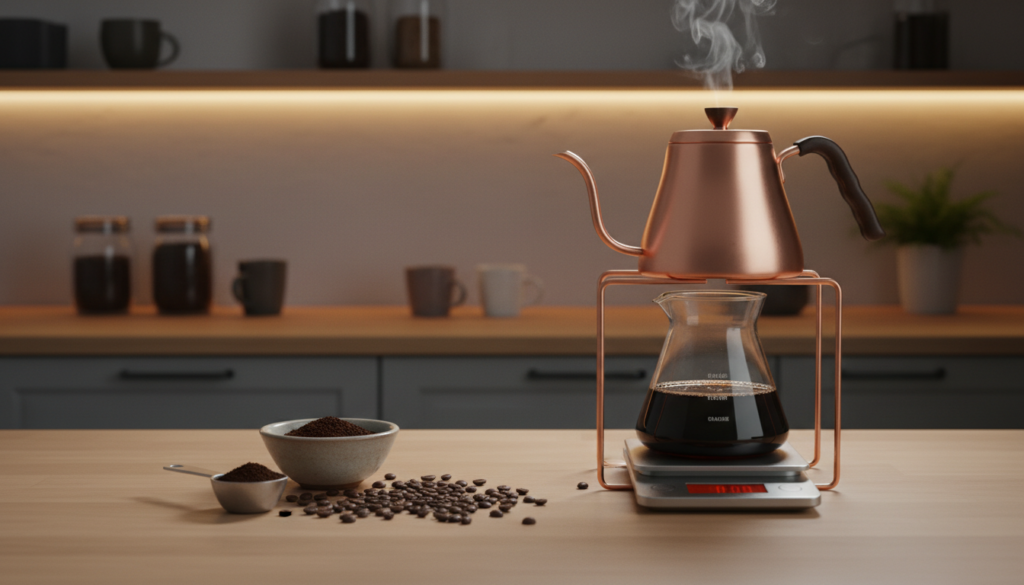
Common starting points: for a regular cup, try 1:15–1:17 (grams). Move toward 1:12–1:13 for a highly concentrated result that reads fuller on the palate.
Common ratios for everyday cups and concentrated styles
Weighing grounds and water gives repeatable results. Use a scale and note the amount so you can reproduce the recipe.
How changing ratio impacts strength without forcing bitterness
The fastest route to a stronger coffee is increasing dose or reducing water while keeping grind and time steady. That raises TDS without pushing extraction into bitter territory.
- Adjust in small steps: add 1–2 grams of grounds per brew and taste the difference.
- Keep grind, temperature, and contact time constant to avoid over-extraction.
- Watch for issues at extremes: uneven saturation, clogging, or muddled flavor in some brewers.
“Increase dose first; tweak grind or time only if the cup tastes sharp or thin.”
Result: a properly adjusted ratio yields a fuller, more satisfying cup that can stay smooth and balanced even when it’s more concentrated.
Grind Size and Extraction: How Ground Coffee Changes Strength and Taste
Particle size is the hidden lever that shapes extraction, body, and clarity.
Fine vs coarse: simple physics
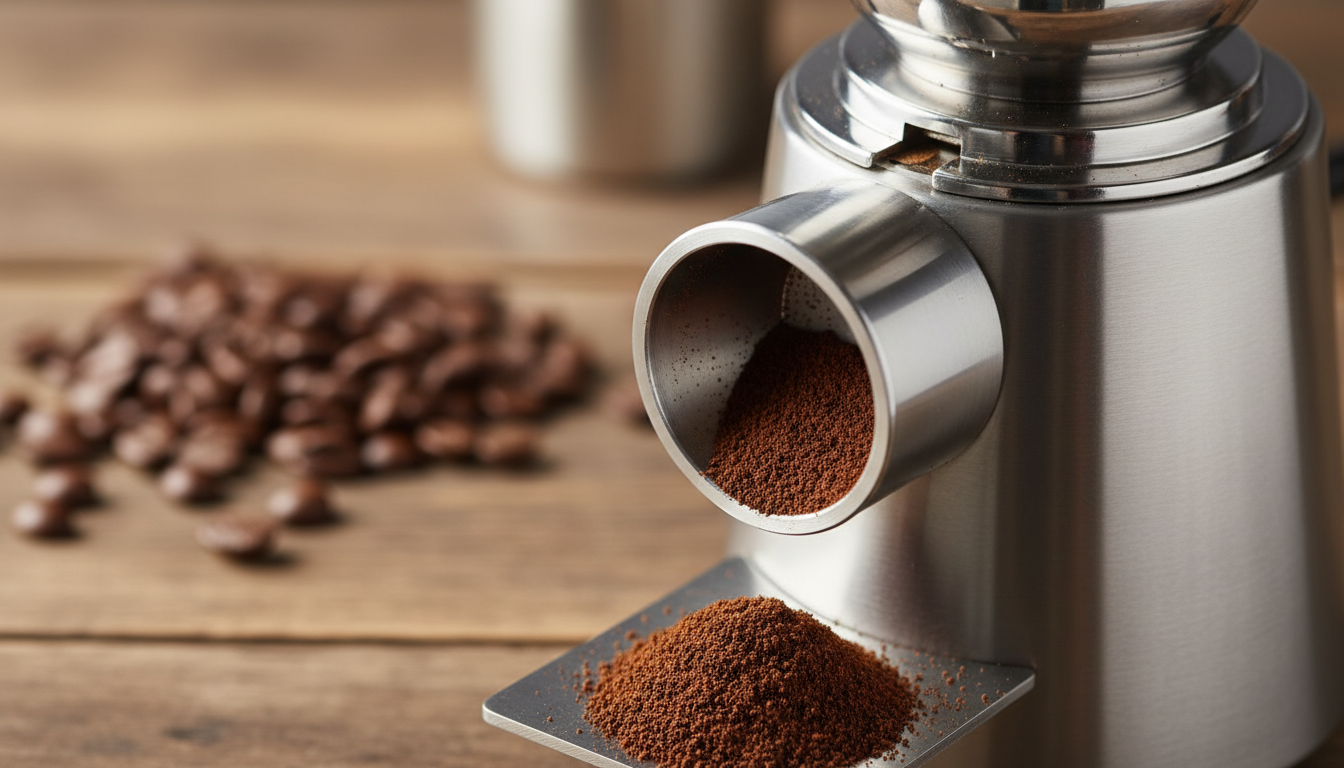
Smaller particles expose more surface area, so water pulls solubles faster. A fine grind speeds extraction and brightens early flavor.
Large particles slow extraction. Too coarse a setting often yields sour or thin notes because the flavors never fully release.
How grind interacts with filters and the cup
Paper filters trap fines and much of the suspended material, giving a cleaner cup. Metal or cloth allows more coffee grounds and oils through, increasing body.
Methods that leave fines in the beverage, like a french press, taste fuller even at similar TDS. That affects perceived strength and mouthfeel.
Practical grind-size pairing
- Espresso: fine grind for quick, high extraction.
- Pour-over: medium-fine for clarity and balanced extraction.
- French press: coarse grind to avoid excess fines and bitterness.
- Cold brew: very coarse for long steep times and gentle extraction.
Adjustment rule: if the cup tastes sour or thin, go slightly finer or increase contact time. If it tastes bitter and drying, go coarser or shorten brew time.
“Don’t grind finer just to make it stronger—you may only increase harsh extraction.”
Roast Level and Perceived Strength: Light Roast, Medium Roast, and Dark Roast Coffee
Roast level is the lens that turns bean chemistry into bold, smoky, or bright flavor notes. The degree of roast changes which aroma compounds dominate. Darker roasts amplify roasty, smoky, and chocolate-like notes that many people call “strong.”
Why darker roasts taste bolder: long time at high heat breaks down sugars and creates caramelized and smoky flavors. Those flavors read as more intense even when the dissolved solids remain the same.
About caffeine and light roast: lighter roasts retain slightly more caffeine by weight because less is lost during roasting. A light roast can brew brighter and more delicate while delivering similar or a bit more caffeine than a darker batch.
| Roast | Flavor focus | Best when you want |
|---|---|---|
| Light roast | Bright, floral, more origin clarity | clarity and slightly higher caffeine |
| Medium roast | Balanced sweetness and aroma | versatility and balance |
| Dark roast | Roasty, smoky, chocolate notes | bold roast-forward flavor |
“Roast shapes perception more than it sets how concentrated the cup is.”
Remember: roast changes flavor intensity and perception. To change measurable concentration, adjust ratio and method rather than roast alone.
Brewing Methods That Change Strength and Flavor Intensity the Most
Method choice often explains why two cups with the same beans can seem worlds apart.
Espresso and moka pot: small volume, high concentration
Espresso delivers very high TDS in a small shot (8–12% TDS), so it tastes intense per sip.
The moka pot sits between espresso and drip, giving higher concentration per ounce than a typical pour-over.
French press: heavier body and more dissolved solids
The metal filter lets oils and fines through. That increases mouthfeel and perceived intensity.
A press often shows higher dissolved solids and a fuller palate than a similar TDS brewed through paper.
Pour over and drip: clarity that can read as “less strong”
Paper filters trap oils and fines, producing a cleaner cup. That clarity can make the brew feel lighter.
You can match TDS by changing ratio, but the perceived punch will differ due to body and aroma clarity.
Cold brew: long time extraction with flexible concentration
Long steeping pulls different compounds and can yield high caffeine and smooth body.
Cold concentrate is common: brew strong, then dilute to taste. That gives control over both concentration and volume.
Vietnamese phin and Turkish ibrik: why they rank high for strength
Both methods use small volumes or concentrated extraction and allow particulates in the cup.
Particulate load and extraction style create a denser mouthfeel and a perception of greater intensity.
| Method | Typical TDS (%) | Perceived effect |
|---|---|---|
| Espresso | 8–12 | High concentration, intense aroma |
| Moka pot | ~1.4–1.8 (per oz) | Concentrated taste for small servings |
| French press | 1.4–1.7 | Full body, more oils/fines |
| Pour over / drip | 1.2–1.6 | Clear, bright, less heavy mouthfeel |
| Cold brew (concentrate) | ~1.4–1.6 (undiluted) | Smooth, high caffeine; dilute as preferred |
“Pick a brewing method that fits the result you want: high TDS per ounce, fuller body, or bright clarity.”
Troubleshooting: When Stronger Coffee Tastes Wrong
If your concentrated cup feels sharp or a weak cup tastes harsh, you’re likely facing extraction or particle issues.
Under-extraction — what to listen for
Sensory signs: sour, sharp, thin. This can happen even with a high dose or darker roast.
Why: water didn’t pull enough solubles. Too coarse a grind size or uneven ground particles causes quick channeling and sour notes.
Over-extraction — how it reads
Sensory signs: bitter, dry, astringent. You may get these even when the cup feels watery.
Why: overly fine grind or too much contact time pulls bitter compounds despite low apparent concentration.
Fix sequence that works
1) Set target concentration with ratio. This sets desired strength.
2) Adjust grind to correct extraction — coarser if sour, finer if bitter.
3) Refine time and water temperature in small steps to polish balance.
| Problem | Likely cause | First fix | Follow-up |
|---|---|---|---|
| Sour but strong | Coarse grind / uneven grounds | Go finer | Check grind consistency, shorten time |
| Bitter and weak | Too fine / long contact time | Coarsen grind | Lower temp or shorten time |
| Mixed notes | Old or inconsistent ground coffee grounds | Use fresh, uniform grind | Adjust ratio and retest |
“Make one change at a time: set dose, fix grind, then tweak time and temperature.”
Conclusion
The simplest takeaway: measurable concentration and sensory punch are not the same thing.
Strength refers to dissolved solids (TDS); flavor intensity comes from roast, filtration, and body. Choose a goal — higher concentration, more caffeine, or a bolder profile — then adjust one variable at a time.
Best way to change a cup: set your ratio first, then keep grind, time, and temperature steady while you test. Pick beans and a roast that match the taste you want.
Quick checklist: pick coffee beans you enjoy, weigh inputs, use the right grind size for your brewer, and change only one factor per test.
Safety note: monitor daily caffeine totals — commonly ~400 mg/day for most adults — especially with concentrates or multiple servings.
FAQ
What’s the difference between brew concentration and flavor intensity?
Why do people call bitter or harsh cups “strong”?
How can I make a cup that’s concentrated but still smooth?
What does TDS tell me and how is it useful?
How do typical TDS ranges vary by brewing method?
Can I measure TDS at home and how?
Does higher caffeine always mean a stronger cup?
Which methods give the most caffeine per ounce?
What daily caffeine limits should I follow?
How do I choose whether to aim for higher concentration, more caffeine, or bolder flavor?
What baseline coffee-to-water ratio should I use to start adjusting strength?
Why lock variables and how do I do it?
How does changing the ratio affect taste without adding bitterness?
How does grind size influence extraction and flavor?
How should I match grind size to brewing method?
Why does dark roast often taste stronger even if caffeine may be lower?
Can a light roast deliver more caffeine while tasting milder?
Which brewing methods most change the perceived power of the cup?
How do you diagnose under-extraction versus over-extraction?
What’s the quickest fix if my cup tastes bitter after strengthening the brew?
Any quick pairing guide for grind by method?
Why Cheap Coffee Often Tastes Burnt
» Discover special tips and stories about coffee