Coffee Storage Myths That Ruin Flavor
Discover the best coffee storage solutions to preserve flavor. Explore top-rated containers and methods for optimal coffee storage.
Freshness fades fast. Many home brewers lose nuance and aroma by trusting tips that look sensible but fail in practice. Small habits—like leaving beans open on the counter—quietly flatten the cup.
Dedicated canisters create a dark, low-air environment that shields grounds and beans better than an open bag. This guide previews which containers held up in real-world tests and which methods truly protect aroma and flavor.
The core enemies are simple: oxygen, light, heat, and moisture. Most online “common sense” advice misses how those factors combine over days and weeks.
This piece is for whole-bean brewers, ground-coffee users, bulk buyers, and pod drinkers who still want an organized counter. Our aim is practical: keep your favorite coffee tasting closer to the roaster’s intent without turning the kitchen into a lab.
Key Takeaways
- Small lapses in handling quickly dull flavor; airtight darkness helps most.
- We tested canisters for taste, aroma, usability, and seal quality.
- Oxygen, light, heat, and moisture are the real threats to freshness.
- Advice targets whole-bean, ground, bulk, and pod users alike.
- Recommendations focus on practical upkeep, not lab-level setups.
Why coffee flavor fades at home faster than you think
Flavor starts to slip the moment roasted beans meet room air. Staling is simple: aromatic oils and volatile compounds escape, and the cup tastes flatter over time.
Oxygen is the biggest freshness killer once a bag is opened
When you open a bag, air rushes in and the one-way valve can no longer protect aroma. Oxygen reacts with oils and breaks down key flavor molecules within days to weeks.
What Would You Like to Learn Next?
Choose an option below:
Light, heat, and moisture speed up staling
Sunlight and countertop heat accelerate chemical changes that dull sweetness and acidity. Damp scoops or humid spots near kettles introduce moisture, which can cause clumping and off aromas.
Fresh doesn’t mean “expired”—it means aroma, balance, and complexity
Freshness refers to sensory quality, not safety. A good canister’s job is to limit oxygen while keeping beans away from light, heat, and moisture so you taste the roaster’s intent and keep your coffee fresh longer.
Coffee storage myths that quietly ruin your favorite coffee
Many pantry habits quietly shave flavor from your favorite coffee. Myth-driven shortcuts often reduce aroma before you notice.
Myth: The original bag is always enough
Resealable valve bags can help for a few weeks. But a clipped or rolled top leaks oxygen quickly.
True reseal means a reliable closure or moving beans to a proper canister with a good seal.
Myth: The fridge or freezer is best
Cold sounds safe, but repeated opening causes temperature swings and condensation. Moisture clings to beans and brings off flavors.
Myth: A “tight” lid equals airtight
How hard you press a lid matters less than the gasket and design. A snug lid can still leak oxygen if it lacks a proper seal.
Myth: Bigger containers are better
Extra headspace creates more air that can react with oils. Match the container size to the bag to limit oxygen contact.
Myth: Clear plastic or glass on the counter won’t affect freshness
Even in a sealed jar, direct light and nearby heat speed breakdown of aromatics. Choose dark or UV-protected options for daily use.
| Myth | Why it fails | Practical fix |
|---|---|---|
| Original bag is enough | Clips leak; valves only protect briefly | Use resealable canister or transfer quickly |
| Fridge/freezer helps | Condensation and odor transfer risk | Keep at room temp in a dark place |
| Tight lid = airtight | No gasket means oxygen gets in | Choose lids with a proven seal |
| Clear jars are fine | Light and heat speed staling | Store in a pantry or use UV-blocking glass |
Takeaway: pick the right-sized container with a dependable seal and keep it in a dark pantry or cabinet for the best chances of keeping coffee fresh and your beans tasting as the roaster intended.
How long coffee stays fresh: whole beans vs. ground coffee
Freshness peaks quickly after roasting, and knowing when to brew makes a big difference.
Whole-bean peak window
Whole beans taste best when brewed within about 14 days of roast. Over the next months, aromatics fade slowly; many beans lose most nuance in roughly 6–9 months.
Ground peak window
Once beans are ground, the best window shortens to about 10 days. Ground coffee exposes more surface area to oxygen, so compounds that create aroma and balance dissipate faster. Ground that sits months later can taste flat and lifeless.
What stale over time tastes like
“Peak windows are about sensory quality, not safety.”
Recognizable stale-cup markers:
- Flat sweetness and muted aroma
- Thin or papery notes on the palate
- Dull finish with little complexity
Match how fast you finish a bag to these timelines. Occasional drinkers and bulk buyers should consider larger-batch solutions, while one-cup-a-day routines often just need a small canister or portioning to keep coffee fresh longer.
What a good coffee container must do to protect freshness
Choose a container that treats freshness as an engineering problem, not just a countertop accessory. A purpose-built canister reduces oxygen, blocks light, and resists heat so aroma and balance survive longer.
Create a dependable airtight seal
An airtight seal is non-negotiable. Look for gasketed lids and mechanisms proven to hold after many openings. A worn seal lets oxygen in and erodes flavor fast.
Keep it in a cool, dark place
Where you place the canister matters. Store it in a pantry or cabinet away from ovens and sunny windows to limit heat and light exposure.
Match capacity to your use
Pick a size that fits a typical bag to reduce excess air. Smaller containers mean less oxygen contact and more consistent freshness.
Choose the right material and mind maintenance
Stainless steel blocks UV and is durable. Plastic is light and handy. Glass shows contents but risks light damage. Ceramic looks good but varies by lid design.
Tip: Clean lids and gaskets regularly—oils and fines can jam seals. Later sections link these needs to specific products and real-world tradeoffs.
Three canister types: airtight, displacement, and vacuum
Different canister designs solve freshness in different ways—some by blocking air, others by actively removing it. Per expert James Hoffmann (cited by Serious Eats), canisters fall into three practical types. A blind tasting ranked displacement lowest, airtight in the middle, and vacuum highest.
Baseline: airtight designs
Airtight canisters use simple lids and gaskets to keep new air out. They do not remove the oxygen already trapped inside, but they form a reliable barrier for day-to-day use.
Displacement mechanisms
Displacement designs use a plunger or inner lid to push air away from beans. The idea is sound, but results can be mixed. Some users find the mechanism fiddly in daily routines, and performance varies by brand.
Vacuum-sealed canisters
Vacuum models actively remove air to limit oxygen and extend life. They proved most effective in tastings. Keep in mind frequent opening cuts into any benefit, so ease of use matters as much as the technical mechanism.
- Match the type to how fast you finish a bag.
- For long keeping, vacuum offers the strongest protection.
- For quick daily use, airtight often balances seal and simplicity.
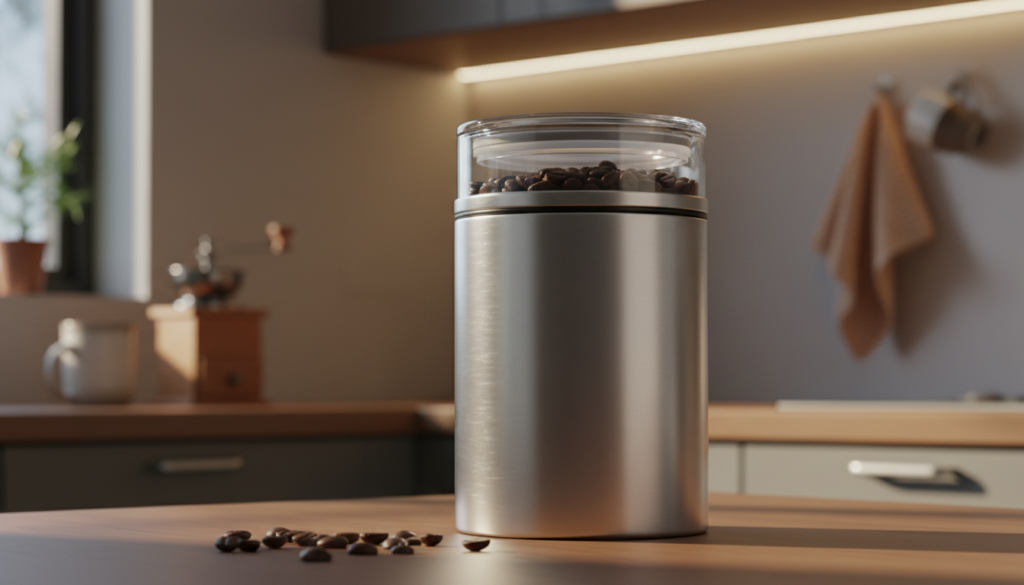
“Design and user behavior together determine how long your beans taste like the roaster intended.”
What we prioritized from real-world testing (and what it means for you)
Real-world tests judge gear by how the brewed cup tastes after days on the counter. We ran repeat trials and practical checks to see which designs kept aroma and balance closest to a fresh pour.
Freshness checks
Sensorial results mattered most. The Spruce Eats compared beans in canisters vs. original bags after eight days, tracking aroma, flavor, and texture.
What testers looked for:
- Aroma strength versus a fresh control.
- Flavor clarity and presence of papery or flat notes.
- Mouthfeel and whether texture felt thin or full.
Usability over time
Serious Eats simulated daily use for ten days, opening and closing canisters repeatedly. Ease of access beats complexity if you use a product every morning.
- How fast a lid opens and whether a button sticks.
- If the seal weakens after many cycles.
- Whether the closure needs two hands or is one-handed friendly.
Design details and common failure points
Practical flaws show up fast. Gasket seams that trap grounds, lids hard to clean, and fiddly closures create daily issues.
- Grounds lodging in seams that degrade performance.
- Hard-to-clean lids that collect oils.
- Closures that wear and stop aligning at the top of use life.
Buy smart: choose a canister you will use correctly each day. The upcoming product picks weigh these tradeoffs so you get top performance without daily headaches.
Best overall: Fellow Atmos Vacuum Canister for maximum coffee beans fresh performance
For brewers who want the strongest barrier against staling, the Fellow Atmos delivers consistent results. It uses a simple twist-to-vacuum action that actively removes air from the jar, reducing oxygen contact and preserving aromatic oils.
How the twist-to-vacuum action and indicator work
The top uses a twist mechanism to pull air out. A visible indicator ring and button turn green when the seal is achieved.
The indicator gives clear feedback so you know oxygen has been purged without guessing.
Why vacuum sealing preserved richer, more balanced cups
In blind tastings, the Fellow Atmos scored highest for balance and richness after ten days.
“The Atmos produced a cup that remained balanced and rich,”
Vacuum storage slows aroma loss and keeps acidity and sweetness more intact than basic containers.
Tradeoffs and practical notes
Cleaning requires care: avoid rinsing the inner lid under running water to protect the mechanism. Fine ground can clog the vacuum port, so whole beans are the recommended use.
Expect more twists as volume drops. Store the jar in a dark cabinet for best results.
| Feature | Benefit | Practical note |
|---|---|---|
| Twist-to-vacuum mechanism | Removes trapped air for longer freshness | Works best with whole beans; more twisting when nearly empty |
| Indicator button | Shows successful seal (green ring) | Provides instant, reliable feedback |
| Lid design | Strong vacuum retention | Do not submerge lid; wipe clean only |
| Tasting results | Richer, more balanced cup after 10+ days | Ideal for premium beans and slower consumption |
Best budget pick: OXO Steel Coffee Pop Container for everyday coffee storage
For daily use, value and ease often matter more than technical bells and whistles. The OXO Steel Coffee Pop delivers a reliable, low-cost option that suits regular brewers who open their canister every morning.
Pop button lid: how the seal works and why it’s easy to use daily
The simple button creates an airtight seal with a single push. Press, and the lid clicks down to compress the silicone gasket; press again to release. That one-handed action keeps the ritual quick and repeatable.
Why the slim rectangular shape fits tight pantry and counter spaces
Its narrow footprint slides into crowded shelves and lines up neatly next to other containers. The shape helps reduce wasted space compared with round jars.
Care notes: dishwasher-safe parts and button sticking
The plastic body and silicone gasket are dishwasher-safe, but the lid mechanism should be hand-wiped. Keep the button clean; trapped grounds and oils can cause sticking over time.
Bottom line: The coffee pop container is a smart value pick. It won’t match a vacuum canister in long-term aroma retention, but a well-used steel coffee pop still beats a poorly sealed bag for daily freshness.
Best for buying in bulk: Airscape Kilo Coffee Canister for large bags over time
Buying in bulk changes the rules: your canister must control a much larger air volume to keep flavor intact. The Airscape Kilo holds about 2.2 pounds and is built for households that finish large bags on a regular schedule.
How the inner lid purges air to protect flavor
The Airscape uses an inner lid that you press down to push air out before sealing. That mechanical purge reduces oxygen above the beans and creates a tight environment that scored top marks in freshness tests.
Who benefits most
Best for families or groups that go through pounds of beans, meal-prep routines, or shared kitchens. If you reliably finish large quantities, the Kilo cuts waste and keeps a bulk buy tasting closer to roast time.
Usability callout
Full, the canister can be heavy and awkward to pour. Many users keep a dedicated scoop to portion out beans for daily use. Store the unit in a pantry or cabinet to limit light and heat; that place extends its benefits.
| Feature | Benefit | Best for | Practical note |
|---|---|---|---|
| 2.2 lb capacity | Fewer refills; less packaging waste | Bulk buyers, shared households | Heavy when full; scoop recommended |
| Inner purge lid | Pushes out oxygen before seal | Preserving aroma over weeks | Easy to operate; keep gasket clean |
| Marketed by Planetary Design | Proven product line | Users wanting durable bulk solution | Match size to buying habit—bigger is only better if you finish it |
Best for ground coffee: Coffee Gator Canister with one-way CO2 valve and date wheel
For regular ground users, a canister that manages degassing and tracks age pays dividends. The Coffee Gator pairs an airtight clasp lid with a one-way CO2 valve and a simple date wheel to help keep grounds organized and fresher on the counter or in a cabinet.
Why a one-way valve matters while coffee degasses
Degassing is normal: freshly roasted beans and freshly ground product release CO2 for a few days. The valve vents that gas without letting oxygen back in, which limits oxidation and slows flavor loss.
Freshness tracking: the date wheel as a behavioral tool
The built-in calendar wheel encourages habit. Mark the roast or grind date and avoid mystery jars. This nudges you to brew within a reasonable window and cut down on stale pours.
- Best fit: people who buy ground regularly and want an easy daily system.
- Realistic gains: improves outcomes versus an open bag, but ground still loses nuance faster than whole beans.
- Care notes: hand-wash only; keep valve parts dry and replace small components periodically.
| Feature | Benefit | Practical note |
|---|---|---|
| Airtight clasp lid | Reduces oxygen entry after sealing | Check gasket for wear to keep the seal reliable |
| One-way CO2 valve | Vents degassing without inviting air | Do not submerge; valve components are finicky with water |
| Date wheel | Helps track age and avoid mystery jars | Set the top date when you open or grind |
Best glass option: Artanis Home UV glass jar for light protection with a clean look
If you want a clean look without sacrificing freshness, pick glass with purpose.
The Artanis Home jar uses biophotonic glass that blocks UV rays while keeping a clear, modern profile. In one blind test, whole beans stored for 28 days tasted as near to day one as testers could tell.
Why clear jars are usually risky
Direct light speeds chemical breakdown of aromatics. Even a short sunbeam can dull sweetness and lift off-notes over weeks.
Biophotonic glass reduces that risk by filtering UV while letting you see contents. That keeps the minimalist look without the usual downside of clear jars.
Shape, access, and practical tips
The slim profile saves counter and cabinet space. It works well in tight kitchens where a round jar would waste room.
Be honest about the tradeoff: narrow openings get hard to scoop into when beans run low. Tip the jar to pour or transfer a small reserve to an easier-access container.
How it stacks up to other options
If a plastic or plain glass container lacks UV protection, keep it in a dark cabinet instead. UV-blocking glass helps, but an airtight lid still matters most—oxygen is the main freshness threat.
| Feature | Benefit | Practical note |
|---|---|---|
| Biophotonic UV glass | Reduces light-driven degradation | Keeps a clear look while protecting aroma |
| Slim profile | Saves shelf and counter space | Narrow opening; tip to pour when low |
| Airtight lid | Limits oxygen contact | Still required even with UV protection |
| Care | Preserves appearance and seal | Hand-wash lid and jar; avoid dishwashers |
Best stoneware for countertop style: Le Creuset canister (when looks matter)
Design-first canisters prioritize aesthetics while still offering everyday function. The Le Creuset stoneware canister is the pick for anyone who wants a polished counter without sacrificing basic protection. It pairs a durable, chip-resistant body with a warm, wooden top that reads like kitchen décor rather than lab gear.
Where it shines: durability, décor, and dishwasher-safe body
Durability is a major advantage. The stoneware body resists scratches and looks new longer in busy kitchens.
The canister body is dishwasher-safe, which makes cleanup easy. That helps keep the counter tidy when beans are used daily.
The compromise: the seal may not feel as tight as coffee-specific lids
Be direct: the wooden lid lacks the engineered gasket of purpose-built canisters. The perceived seal can feel looser than vacuum or displacement options.
Recommendation: use this canister for faster-moving beans or frequent refills. Keep it away from light and heat, buy smaller bags, and transfer only what you’ll use within a week.
Practical takeaway: Le Creuset is the best coffee design pick when countertop style matters. For preserving your favorite coffee long-term, match the container’s sealing ability to the job.
Best for pod drinkers: DecoBros K-Cup storage drawer under your coffee maker
If you rely on single-serve pods, an under‑machine drawer makes the morning routine simpler. The DecoBros unit fits under many Keurig models and keeps pods organized without extra jars on the counter.
Who it’s for
This drawer is aimed at pod drinkers who want a tidy prep area. It holds up to 36 K-Cups and will accept many Nespresso-style capsules depending on size.
Fit check: clearances and placement
Installing the drawer adds about 3 inches under the maker. That extra height can reduce cabinet clearance, so measure before you buy.
If the top of your under‑cabinet shelf is tight, the added height may block the door or limit where the maker can sit.
Daily use and organization
The sliding drawer runs smoothly and rarely needs cleaning since pods are sealed. Airtight seals are less important here; durability and glide matter most.
Tip: organize pods by roast level or flavor so your station stays quick and intuitive during busy mornings.
| Feature | Benefit | Practical note |
|---|---|---|
| 36‑pod capacity | Less clutter; variety at hand | Also fits many Nespresso capsules |
| Under‑machine placement | Keeps the counter clear | Measure maker and cabinet before buying |
| Smooth sliding drawer | Fast access during rush hour | Durable parts beat airtight design for pods |
How to keep coffee beans fresh longer with any container you choose
A few daily routines will extend freshness far more than an expensive canister alone. Follow a simple checklist and you’ll protect aroma and balance whether you use a vacuum jar, airtight canister, or the original bag.
Store it right
Keep beans in a dark pantry or cabinet away from heat, light, and steam. Avoid placing containers near ovens, kettles, or sunny windows.
Match canister size to your bag
Choose a container that closely fits a full bag so you don’t leave a large pocket of oxygen above the beans. Less trapped air means slower oxidation.
Keep the lid and gasket clean
Wipe rims, clear trapped grounds, and check gaskets regularly. A clean lid keeps the seal reliable and prevents tiny leaks that speed staling.
Grind right before brewing
Grinding right before use preserves volatile aromas. Ground product loses nuance in just a few days compared with whole beans.
When the original bag is “good enough”
If the bag has a true one-way valve and you finish it in a week or two, it can work fine. If you clip or roll the bag or sip slowly, transfer beans to a proper canister.
- Quick checklist: dark pantry, snug fit, clean lid, grind before brew, track days open.
- Frequency note: if brightness holds after several days, keep current habits; if not, tighten the seal or change where you keep the bag.
| Action | Why it matters | Practical tip |
|---|---|---|
| Dark pantry placement | Reduces light and heat damage | Keep canister in a cabinet, not on a sunny counter |
| Right-sized container | Limits oxygen contact | Match capacity to how fast you finish a bag |
| Clean lid/gasket | Maintains seal performance | Wipe after use; inspect weekly |
Conclusion
Small daily changes beat gadget chasing. Limit oxygen, block light, and avoid heat to keep a cup tasting like the roaster intended.
Don’t fall for oversized jars, clear counter placement, or lids that only feel tight. Vacuum options (like the Fellow Atmos) extended peak flavor most in tests, while airtight picks such as OXO gave strong value. Displacement systems were mixed.
Match the container to how fast you finish beans and how often you open it. Wipe the seal clean, stash the jar in a dark cabinet, and grind right before brewing to notice the biggest gains over days and weeks.
Pick one improvement today—use a better product or tighten a habit—and keep it consistent for the best results in keeping your coffee fresh.
FAQ
How quickly does flavor fade after opening a bag?
Is the factory bag good enough for keeping beans fresh?
Should I store beans in the fridge or freezer?
Do clear jars or countertop displays ruin taste?
Are bigger containers always better for bulk purchases?
What makes a good canister seal?
How do vacuum canisters compare to airtight and displacement designs?
Are one-way CO2 valves worth it for freshly roasted beans?
How should I size a canister for best results?
What maintenance keeps lids and seals reliable?
Are metal, glass, or ceramic canisters better for taste retention?
Can a pop-button lid be trusted for daily use?
Is vacuuming ideal for ground product?
How do I store when buying in bulk to avoid waste?
Do specialty features like date wheels or indicators matter?
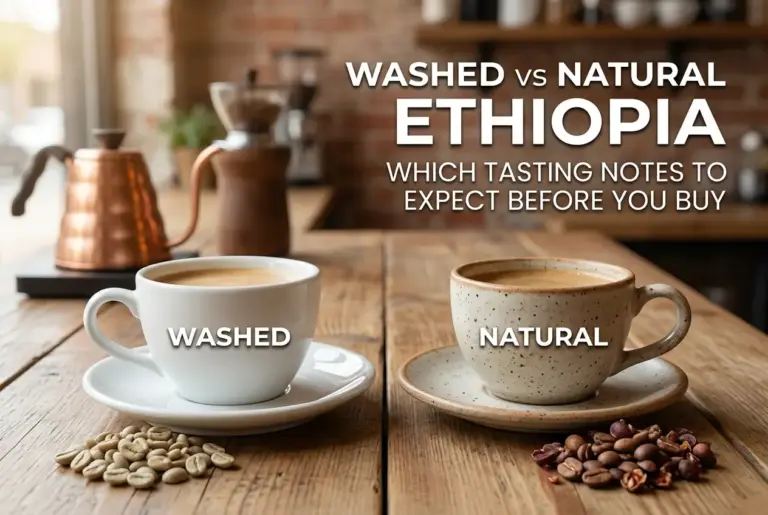
Washed Ethiopia vs Natural Ethiopia: Which Tasting Notes to Expect Before You Buy
» Discover special tips and stories about coffee