How to Control Brew Strength Without Bitterness
Get the perfect cup every time with our guide on coffee brew strength control. Learn how to adjust brewing parameters for your taste.
Controlling concentration means adjusting how much dissolved solids end up in your cup so the taste is more intense without turning harsh.
This guide separates the levers: change the recipe ratio to alter concentration, and use grind size, time, or water temp to tune extraction and flavor balance.
Start by picking a target strength, then dial extraction until the drink sits between roughly 18–22% extraction for a balanced profile. That range helps avoid sour or bitter notes.
Remember: a stronger cup is not always more caffeinated or better. Personal taste and method matter.
Bitterness usually signals over-extraction. Brewing hotter or longer to push intensity can backfire and pull unwanted bitter compounds.
This article covers common home methods—French press, drip/pour-over, espresso, and cold methods—and after-brew fixes like dilution and bypass.
What Would You Like to Learn Next?
Choose an option below:
Repeatability is key: using a scale, consistent water, and small recipe steps gives predictable results from one session to the next.
Key Takeaways
- Adjust recipe ratio to change concentration without harming extraction.
- Use grind, time, and temperature to fine-tune flavor, not to force intensity.
- Target balanced extraction (about 18–22%) to avoid sourness or bitterness.
- “Stronger” doesn’t automatically mean more caffeine or better taste.
- We cover methods and fixes so you can make repeatable improvements at home.
What “Strong” Really Means (and What It Doesn’t)
Think of “strong” as measurable concentration, not just bold flavor. In trade terms it is the percent of dissolved solids in your cup versus water. That dissolved content is what baristas call strength.
How concentration differs from roast and flavor
Typical numbers help: drip coffee sits near ~1.25% dissolved solids while espresso is closer to ~10%.
Perceived intensity can come from roast-driven smokiness or heavier flavors, but that feeling is not the same as concentration. Dark roast tastes bolder without changing the measured percentage unless you alter dose or yield.
Strength versus extraction — the troubleshooting key
Extraction is how much the grounds release. You can have a concentrated yet under-extracted cup that tastes sour, or a watery but over-extracted cup that tastes bitter.
“Fix the right variable: change ratio for concentration, tweak extraction for balance.”
Also note caffeine per ounce rises with concentration, yet total caffeine depends on serving size. The goal is to raise strength while keeping flavor balance intact.
Coffee Brew Strength Control Starts With Brew Ratio
Changing the coffee-to-water ratio is the fastest way to raise cup intensity without altering the basic flavor balance. Adjusting dose alters concentration while keeping the same extraction target.
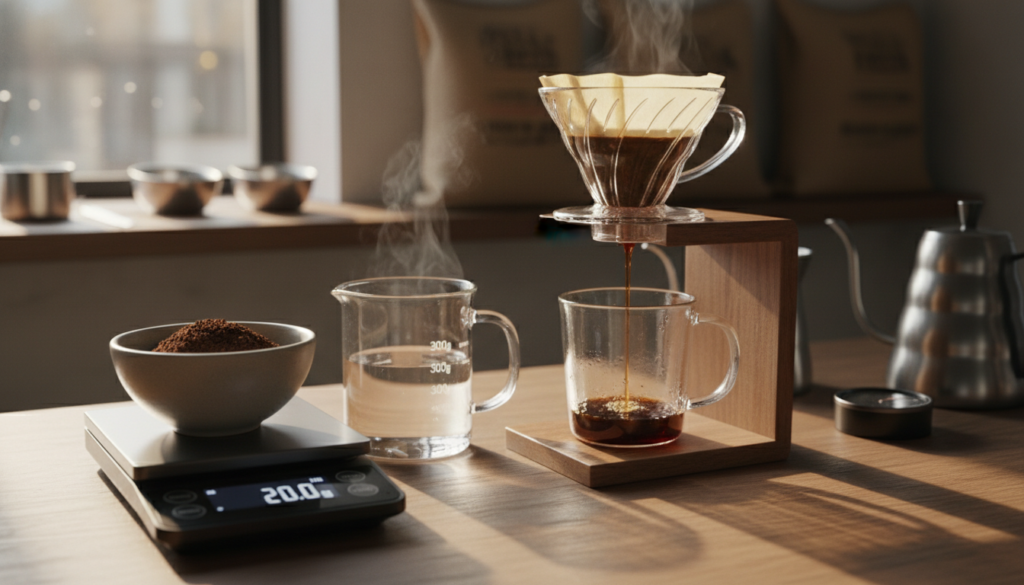
How to use ratio to change intensity without upsetting balance
Start with a baseline ratio by weight. For many drip and pour-over methods, 1:15–1:17 gives a balanced cup. Move toward 1:13–1:14 for a fuller, stronger result.
Practical ranges and a worked example
Example you can copy: 400 ml water + 25 g coffee = 16:1. Increase to 30 g coffee for ~13.3:1. The second cup will taste thicker and more intense while keeping similar flavor notes.
| Ratio (g coffee : ml water) | Perceived Result | When to use |
|---|---|---|
| 1:17 | Delicate, clear | Light roast, tasting |
| 1:15 | Balanced | Everyday cup |
| 1:13 | Full, intense | When you want more body |
Small steps, method notes, and quick steps
Make changes in small increments (+1–2 g) to isolate intensity effects. Large jumps can alter flow, contact time, and extraction—especially on espresso and pour-over, where puck depth or bed resistance changes.
- Weigh dose and water.
- Change one variable at a time.
- Record results and adjust next session.
Keep ratio steady if the cup is both too intense and bitter; then tweak grind, time, or temperature.
Dial In Extraction to Avoid Bitterness (Grind Size, Time, Temperature)
Aim for a predictable extraction window so sweetness, acidity, and bitterness stay in balance.
Target range: roughly 18–22% extraction keeps flavors clean and balanced in the cup.
The grind and its taste effects
Finer grind increases surface area and speeds extraction. That often pushes bitterness and a drying mouthfeel.
Coarser grind lowers extraction and can produce sour, underdeveloped notes even when the cup seems intense.
How time and temperature change things
Longer contact time extracts more compounds — it changes taste, not just perceived intensity.
Water temperature matters: 195–205°F (90–96°C) is a good range. For immersion methods, ~200°F (93°C) is common. Lower temperature can tame bitterness.
“If the finish is sharp and drying, pull back on extraction — coarsen the grind, shorten time, or lower temperature.”
- If bitter: coarser grind → shorter brew time → slightly lower water temperature.
- If sour: finer grind → longer brew time → raise water temperature a few degrees.
- Measure dose, use a timer, and keep grinder settings steady for repeatable results.
Method-Specific Adjustments for Stronger Coffee Without Harshness
Use dose to set concentration first, then tune extraction. That rule keeps flavor balanced across methods and prevents the common trap of hotter water or longer time that leads to bitterness.
French press: boosting body while staying smooth
Increase dose modestly and keep steep time controlled (4–5 minutes). Use ~200°F (93°C) water to preserve a rounded finish.
Tip: Slightly coarser grounds add clarity while the press gives extra body.
Drip and pour-over: manage flow and bed depth
Raising dose can slow drawdown and cause clogging. Watch bed depth and flow rate: if drawdown drags, make the grind a touch coarser.
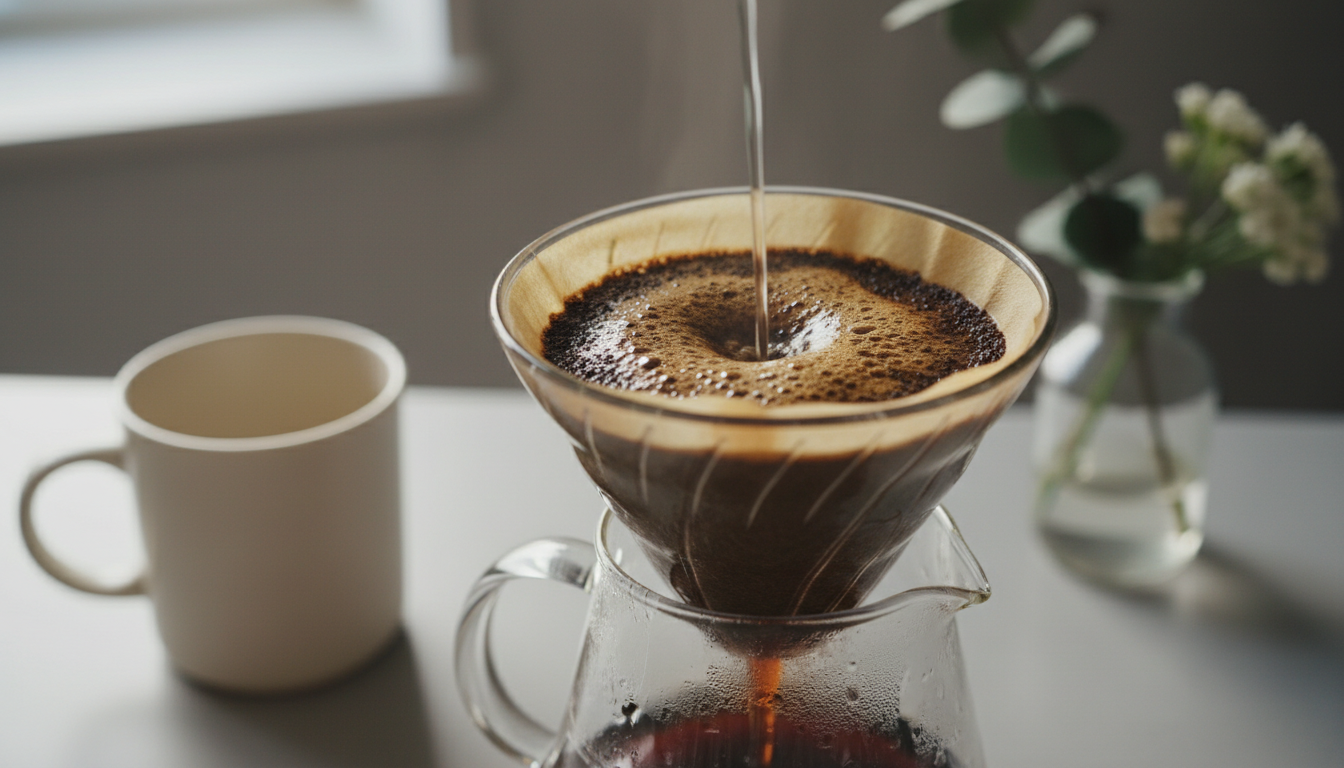
Pour-over tactics: consistent pour pattern, minimal agitation, and small grind adjustments keep clarity at higher concentration.
Espresso: concentration vs total caffeine
An espresso shot is very concentrated but small. Total caffeine can match a larger cup depending on dose and yield.
Levers: adjust dose/yield and grind. Use shot time as a guardrail—avoid extending time to chase more intensity, which often tastes bitter.
Cold brew: time, not heat, for lower-acid intensity
Build richer extract with longer steeping and a stronger concentrate ratio, then dilute to taste. The result is smoother and lower in acidity.
“Set ratio first, then tweak extraction variables to keep harshness out of the cup.”
Fixing a Cup After Brewing: Dilution, Bypass, and Iced Coffee Workarounds
If your cup tastes right but feels too intense, a careful splash of water can rescue it fast. Adding water lowers concentration without changing extraction, so the original balance stays intact.
Dilution: the clean post-brew fix
When flavor is balanced but the drink is too strong, add small amounts of water and re-taste after each pour. This keeps the extraction profile but reduces perceived body and bite.
What bypass brewing means
Bypass routing sends some water around the grounds so the final glass has less concentrate while extraction remains steady. Cafes and batch brewers use this to hit a consistent brew strength across many servings.
Real-world examples
An Americano is a perfect model: an espresso shot diluted with hot water to match cup strength without changing the shot’s extraction. Flash-chilled iced drinks rely on ice melt the same way—post-extraction water softens the drink as it cools.
“Once extraction is finished, you can only lower concentration by adding water; you cannot raise it without re-brewing.”
- Add water in small increments and taste.
- Record how much you added so you can adjust next time instead of guessing.
- If the cup is bitter or sour, fix extraction on the next brew rather than diluting.
Common Reasons Coffee Tastes “Too Strong” (When the Real Issue Is Something Else)
People often mistake harsh, drying flavors for higher concentration. That leads to the wrong fixes: hotter water, longer extraction, or a finer grind. These changes usually make the problem worse.
Quick distinction test: taste the finish. If it is sharp and astringent, over-extraction is likely. If it is dense, sweet, and rounded, the cup is simply more concentrated.
Bitterness misread as intensity
Over-extraction pulls bitter, tannic compounds. Many call that “too strong,” but it is a balance issue.
Fix: coarsen grind, shorten time, or drop temperature slightly on the next batch.
Light roasts and clarity
Light roasts deliver more acidity and a cleaner profile. That clarity can feel thin or “weak” to some drinkers.
It often helps to increase dose modestly rather than pushing extraction into harsh territory.
Dark roast perception vs actual concentration
Darker roasts taste bolder and smokier. That boldness is flavor, not necessarily higher dissolved solids.
If the cup tastes intense but not bitter, measure ratio before changing grind or time.
Caffeine concentration vs total caffeine
An espresso shot has higher caffeine concentration per ounce, but a full mug of drip can match or exceed total caffeine depending on dose and serving size.
Even decaf espresso can taste “strong” by concentration while having little caffeine content.
“Name the real problem—extraction, roast, or serving size—and you will pick the right fix.”
- Most common misdiagnosis: bitterness labeled as strength; don’t respond by increasing extraction.
- Distinction test: harsh finish = extraction issue; dense and sweet = higher concentration.
- Track ratio and extraction variables so your coffee experience becomes consistent across beans and methods.
| Symptom | Likely Cause | Corrective Action |
|---|---|---|
| Harsh, drying finish | Over-extraction | Coarser grind, shorter time, lower temp |
| Clean, bright but light-bodied | Light roast clarity | Slightly increase dose; keep extraction steady |
| Bold, smoky flavor | Dark roast character | Adjust ratio if too heavy; don’t force extra extraction |
| Small, very concentrated shot | High concentration per ounce | Consider dilution or larger serving to match desired caffeine |
Conclusion
, Make ratio your primary lever — then refine extraction with small, measured changes to grind, time, and temperature.
Set a target brew ratio to get the cup intensity you want. Use grind, time, and temp only to keep extraction balanced and avoid bitterness.
Next-brew steps: weigh grounds and water, pick a ratio, brew consistently, taste, and change one variable at a time.
Don’t confuse variables: darker roast or a bitter finish is not the same as higher concentration. If the drink is balanced but too intense, dilute or use bypass. If it tastes sour or bitter, adjust extraction on the next batch.
Aim for a repeatable recipe that matches your taste so each serving is intentionally full-bodied, not accidentally harsh.
FAQ
What does “strong” actually mean when I want a bolder cup?
How does changing the coffee-to-water ratio affect intensity and flavor balance?
What extraction range should I target to avoid bitterness?
When should I grind finer or coarser to fix taste issues?
How does brew time affect extraction compared to simply making a stronger cup?
What water temperatures support a balanced extraction?
How can I tell if a cup is over-extracted versus simply concentrated?
How do I get a stronger French press without harshness?
What adjustments help pour-over and drip when I want more intensity?
Why does espresso taste different when I ask for a “stronger” shot?
How can cold steeping produce a stronger but smoother profile?
My cup is too intense after brewing — how can I fix it?
What is bypass brewing and why do shops use it?
Is bitterness always a sign of too much extraction?
Why can a light roast taste thin even if I follow my usual recipe?
How does roast level relate to perceived intensity and caffeine?
Does espresso have more caffeine than drip per serving?
Why Cheap Coffee Often Tastes Burnt
» Discover special tips and stories about coffee