Antioxidants in Coffee: What They Are and Why They Matter
Coffee gets sold as a caffeine story, but the bigger plot is what else rides along in the cup. One of the main reasons researchers keep paying attention is the antioxidants in coffee health benefits that show up in population studies and lab work.
If you drink coffee daily, you are probably getting a meaningful share of your dietary antioxidants from it, sometimes more than from fruits and vegetables simply because coffee is so common. That does not make coffee a magic drink, but it does make it worth understanding what those compounds are doing.
The catch is that coffee antioxidant content is not fixed, because bean variety, roast level, and brewing choices all change what ends up in your mug. If you care about flavor and health at the same time, you need the full picture, not a headline.
What are antioxidants and why does your body need them?
Antioxidants are compounds that can neutralize unstable molecules called free radicals before they start damaging cells. Your body makes free radicals during normal metabolism, and you also pick them up from things like UV exposure, air pollution, and cigarette smoke.
Free radicals are reactive because they want to steal electrons, and that can mess with lipids, proteins, and DNA. When that imbalance builds up, researchers call it oxidative stress, and it is linked with aging processes and many chronic diseases.
Your body is not defenseless, because it has its own antioxidant systems, including enzymes like superoxide dismutase and glutathione peroxidase. Diet matters because food based antioxidants can support that system, especially when oxidative stress runs high.
What Would You Like to Learn Next?
Choose an option below:
People sometimes talk about antioxidants as if more is always better, but biology is messier than that. A sensible goal is steady intake from real foods and drinks, and coffee fits that pattern for a lot of adults.
Oxidative stress is not a villain you can eliminate, because some free radical activity is part of normal signaling in the body. The problem is when the balance tips too far toward damage and away from repair.
That is why the antioxidant conversation is really about resilience, not perfection. You want enough protective capacity that everyday stressors do not add up into chronic wear and tear.
Dietary antioxidants also tend to travel with other useful plant compounds like fiber and micronutrients, which is why whole foods usually beat isolated supplements. Coffee is unusual because it is a plant drink that people consume in large, consistent amounts.
When researchers measure antioxidant effects, they often look at markers of lipid oxidation, DNA oxidation, or overall antioxidant capacity in blood. Those markers can move after coffee intake, but they do not always translate cleanly into a single health outcome.
Another nuance is that many polyphenols are not absorbed intact, and your gut microbes transform them into smaller metabolites. Those metabolites may be where some of the real action happens, which is why coffee can have effects that last beyond the immediate buzz.
It also helps to remember that antioxidant behavior depends on context, including dose and the presence of other nutrients. In a balanced diet, coffee can be one more input that nudges the system in a favorable direction.
If you are trying to connect this to daily life, think of antioxidants as part of your maintenance budget. Coffee is not the whole budget, but it can be a steady line item that adds up over years.
Key antioxidants found in coffee: chlorogenic acids and more
The star compounds in most coffee are chlorogenic acids, often shortened to CGAs, and they belong to a larger family called polyphenols. When you see phrases like chlorogenic acids coffee or polyphenols in coffee, writers are usually pointing at this same cluster of plant chemicals.
CGAs include caffeoylquinic acids and related molecules that can act as antioxidants and may influence glucose metabolism. They also contribute to perceived acidity and bitterness, which is why a bright light roast can taste sharp and still be antioxidant dense.
Coffee also contains melanoidins, which form during roasting through Maillard reactions and have antioxidant behavior of their own. These larger compounds are part of why darker roasts can still show antioxidant activity even when some original polyphenols drop.
Then there is caffeine, which is not a classic polyphenol but still has antioxidant effects in certain contexts. Coffee brings small amounts of trigonelline, diterpenes like cafestol and kahweol, and minerals, and the mix matters more than any single hero compound.
Chlorogenic acids are not one molecule but a family, and different coffees can lean toward different members of that family. That is one reason two light roasts can taste different and still both be “high in CGAs” on paper.
Trigonelline is interesting because it can break down during roasting into aroma compounds that smell sweet, nutty, or caramel like. It also has its own biological activity, which adds to the idea that coffee is a complex package deal.
Diterpenes like cafestol and kahweol get attention because they can raise LDL cholesterol in some people when consumed unfiltered. At the same time, they are being studied for potential protective effects in the liver and other tissues, which shows how tradeoffs keep showing up in coffee science.
Melanoidins are big, brown, and not fully mapped, which makes them hard to summarize in a neat bullet. They can bind to other compounds and may behave a bit like dietary fiber in the gut, influencing how microbes process what you drink.
Another layer is that coffee contains small amounts of micronutrients like potassium and magnesium, plus niacin that increases as trigonelline breaks down with heat. These are not the main reason to drink coffee, but they help explain why coffee is more than flavored water with caffeine.
Decaf still contains many of these polyphenols, which is a useful reminder that antioxidants in coffee health benefits are not automatically tied to stimulation. If you tolerate decaf better, you can still get a meaningful polyphenol contribution.
Instant coffee can also contain antioxidants, though the exact profile depends on processing and the starting beans. If convenience is what keeps you consistent, it can still be part of the antioxidant story even if it is not your favorite flavor.
Finally, the way these compounds interact matters, because antioxidants often work in networks rather than solo. Coffee’s mix may provide overlapping protection, where one compound regenerates another or targets a different type of oxidative reaction.
How roasting affects antioxidant levels
Roasting is a trade, because heat breaks down some chlorogenic acids while creating new antioxidant compounds like melanoidins. That is why the coffee antioxidant content you measure depends on whether you focus on specific polyphenols or total antioxidant capacity.
Light roasts usually keep more intact CGAs, while darker roasts often show lower CGA numbers but stronger roasted flavors and different antioxidant profiles. If you love deep smoky notes, you are not automatically losing every antioxidant, but you are shifting which ones dominate.
Roasting also changes solubility, which affects how easily compounds extract during brewing. A coffee can be high in antioxidants on the bean level but still deliver less in the cup if extraction is poor.
Another factor is that “light” and “dark” are not standardized labels across roasters. One company’s medium might be another company’s light, so it helps to think in terms of taste and brew performance rather than the word on the bag.
As beans roast, they lose water and expand, and their structure becomes more brittle. That makes them grind differently, which can change extraction speed and therefore the antioxidant profile you actually drink.
Very dark roasts can push past pleasant caramelization into carbonization, and that can reduce some beneficial compounds. If you like dark coffee, you can often get most of the flavor you want without going all the way to the darkest end of the spectrum.
Roasting also affects acidity perception, because many acids degrade with heat even as bitter and smoky notes increase. People who avoid coffee due to stomach sensitivity sometimes tolerate darker roasts better, which can matter more than small differences in CGA counts.
The origin and processing of the green beans set the stage for what roasting can preserve or transform. A high quality bean with good density and careful drying can hold onto more complexity, including antioxidant related compounds.
Storage after roasting matters too, because oxygen and time slowly degrade aromatic compounds and can affect certain polyphenols. Freshness is not just a flavor issue, because stale coffee can be a different chemical experience.
If you are trying to optimize, medium roasts are often a practical middle ground because they keep a decent CGA presence and also build melanoidins. That balance tends to taste good, extract well, and play nicely with most brewing methods.
| Roast level | What tends to happen to chlorogenic acids | What tends to happen to other antioxidants |
|---|---|---|
| Light | Higher retention of CGAs | Fewer melanoidins, more plant like polyphenol profile |
| Medium | Moderate reduction of CGAs | Balanced mix of CGAs and melanoidins |
| Dark | Lower measured CGAs | More melanoidins, more roast derived antioxidant activity |
| Very dark | Lowest CGAs, more breakdown products | High melanoidin presence, but some overall losses from extreme heat |
That table is a simplification, but it captures the main idea that roasting shifts the antioxidant portfolio rather than deleting it. The best roast for you is the one you can drink regularly without turning your coffee routine into a chore.
If you switch roasts and notice you need less sugar to enjoy the cup, that can be a bigger health win than chasing a slightly higher CGA number. Antioxidants matter, but so do the habits that come with your coffee.
Some people also respond differently to roast levels in terms of jitters and digestion, even at similar caffeine doses. That may reflect differences in compounds beyond caffeine, which again points to coffee being a full chemical system.
When you hear “light roast has more antioxidants,” it is usually referring to chlorogenic acids specifically. When you hear “dark roast has antioxidants too,” it is usually pointing to melanoidins and total antioxidant capacity measurements.
In practice, you can rotate roasts and still stay within a healthy pattern. Variety can also reduce the temptation to overdo caffeine just to keep coffee interesting.
Coffee vs. other antioxidant-rich foods
Berries, cocoa, and green tea get most of the antioxidant hype, and they deserve it. The reason coffee competes in real life is volume, because many people drink one to three cups a day without thinking about it.
On a per serving basis, a handful of blueberries can beat coffee for certain polyphenols, and dark chocolate can be dense with flavanols. But if your actual diet includes coffee every morning and berries twice a week, coffee may provide the steadier antioxidant flow.
Different foods also bring different polyphenol families, so it is not a fair fight where one winner takes all. Polyphenols in coffee skew toward chlorogenic acids and their metabolites, while tea leans into catechins and cocoa leans into flavanols.
I like thinking of coffee as a baseline and colorful plants as the upgrade. If you already eat plenty of fruits, vegetables, and legumes, coffee is a useful extra, not your only source of defense against coffee and free radicals in the broader oxidative stress story.
Another difference is that whole fruits come with fiber, which changes blood sugar response and supports gut health. Coffee has almost no fiber in the usual sense, but it can still influence the microbiome through polyphenols and melanoidins.
Green tea tends to be lower in caffeine per cup and can be easier to drink later in the day. Coffee tends to be more concentrated in certain polyphenols per ounce, but people’s serving sizes vary wildly.
Red wine often enters the antioxidant conversation, but alcohol changes the health equation fast. If you are choosing purely for antioxidants, coffee and tea are usually easier to justify than alcoholic options.
Spices like cinnamon, cloves, and oregano are antioxidant dense by weight, but you eat them in tiny amounts. Coffee is the opposite, where the concentration is moderate but the intake is large and frequent.
Nuts and seeds bring vitamin E and other protective compounds, plus fats that help with satiety. Coffee does not replace those foods, but it can complement them in a routine that is built around real meals.
It is also worth noting that “antioxidant” is not a single nutrient like vitamin C, so comparing foods can be misleading. One food might score high on a lab test but deliver less benefit in humans because of absorption and metabolism.
If you want a practical strategy, keep coffee as a daily anchor and then layer in plants with different colors across the week. That way you get a wider spread of polyphenols instead of betting everything on chlorogenic acids coffee alone.
For people who do not drink coffee, you can still build a strong antioxidant pattern through tea, cocoa, fruits, vegetables, and legumes. Coffee is common, not required, and that is a healthier way to frame it.
For people who do drink coffee, the main risk is using it as a stand in for sleep, breakfast, and hydration. Antioxidants are helpful, but they do not cancel out the basics of recovery and nutrition.
Antioxidants and long-term health: what studies show
Most of the big claims around antioxidants in coffee health benefits come from observational studies that track coffee intake and health outcomes over years. These studies often find that moderate coffee drinkers have lower risk of several conditions compared with non drinkers.
The strongest and most consistent associations show up around type 2 diabetes risk, liver health markers, and overall mortality in many cohorts. Researchers still argue about causation, because coffee drinkers can differ in sleep, diet, income, and smoking habits.
Controlled trials are harder because you cannot easily blind coffee flavor and you cannot run decade long experiments on thousands of people. Shorter trials do show that coffee intake can raise antioxidant capacity in blood and influence inflammation related biomarkers, though results vary by person.
If you want one practical takeaway, it is that coffee looks safest and most beneficial in moderate ranges for most adults. If coffee triggers anxiety, reflux, or insomnia for you, the best antioxidant is the one you can use without wrecking your day.
When studies talk about “moderate,” they often mean something like two to four cups a day, but cup size is a mess in the real world. A small home brewed mug and a giant cafe drink are not the same exposure to caffeine or polyphenols.
Decaf coffee often shows similar associations in some research, which suggests caffeine is not the only driver. That supports the idea that polyphenols in coffee and other compounds contribute to observed benefits.
Liver outcomes are one of the more consistent bright spots, including lower risk signals for fatty liver disease and cirrhosis in several populations. The mechanisms are still being studied, but antioxidant and anti inflammatory pathways are part of the discussion.
For heart health, the picture is nuanced, because unfiltered coffee can raise LDL cholesterol in some people due to diterpenes. Filtered coffee tends to look more neutral or favorable in many datasets, which is why brewing method keeps coming up.
Blood pressure can rise temporarily after caffeine, especially in people who are not habitual coffee drinkers. Over time, many regular drinkers develop tolerance to that acute effect, but individual response still matters.
Sleep is the hidden variable that can flip coffee from helpful to harmful. If coffee helps you focus but steals an hour of sleep every night, the long term trade may not be worth it even if antioxidants are present.
Another confounder is what people put in their coffee, because sugar syrups and whipped cream can dominate the nutritional impact. A sweet dessert drink and a plain filtered coffee are different foods with the same name.
Genetics also plays a role, especially genes involved in caffeine metabolism, which can change how long caffeine stays active. Slow metabolizers may feel stronger effects from the same dose, which can influence anxiety, sleep, and overall tolerance.
Pregnancy is a special case where caffeine guidelines are stricter, and it is not the time to chase extra coffee antioxidant content. If you are pregnant or managing a medical condition, the right move is usually to follow clinician guidance rather than general coffee headlines.
Overall, the research tends to support coffee as a reasonable part of an adult diet, especially when it replaces less healthy drinks. The benefits are not guaranteed, but the pattern is strong enough that scientists keep taking it seriously.
The most honest summary is that coffee looks like a net positive for many people when used thoughtfully. That still leaves room for personal experiments, because your nervous system and stomach do not care what the average study participant did.
Brewing methods that preserve the most antioxidants
Brewing is extraction, and antioxidants are part of what water pulls out of ground coffee along with acids, sugars, and bitter compounds. Time, temperature, grind size, and agitation change how much chlorogenic acids coffee delivers into the final cup.
If you want higher coffee antioxidant content, you generally aim for thorough extraction without scorching or over diluting the brew. Water that is too cool under extracts, and water that is boiling hard can push harsh flavors that make people add sugar and cream, which changes the health picture.
Paper filters matter because they trap some diterpenes, which can be helpful for cholesterol sensitive people. They also produce a cleaner flavor, which can make it easier to drink coffee without sweeteners.
Espresso is concentrated, but the serving is small, so the total antioxidant load depends on how many shots you drink. A large filtered coffee can deliver more total polyphenols simply because it is more liquid extracted from more grounds.
French press and other immersion methods can extract a lot of flavor and antioxidants, but they keep more oils and fine particles. If you love the texture, you can keep it moderate or alternate with filtered methods depending on your goals.
Cold brew extracts differently, often pulling fewer perceived acids and producing a smoother cup. It can still contain plenty of antioxidants, but strength varies, and many people drink it as a concentrate that is diluted inconsistently.
Grind size is a quiet lever, because finer grinds increase surface area and extraction speed. Too fine can lead to over extraction and bitterness, which again pushes people toward add ins that can outweigh the benefits.
Water quality also plays a role because minerals affect extraction and taste. If your coffee tastes flat or harsh, the fix might be water chemistry rather than a different bean.
Freshness matters because oxygen exposure slowly degrades flavorful aromatics and can change the cup’s overall character. Buying whole beans and grinding near brew time is one of the simplest upgrades for both taste and consistency.
If you are optimizing for routine, consistency beats perfection. A repeatable method helps you control dose and timing, which can keep caffeine from creeping up while you chase flavor.
- Use fresh grounds, not months old preground coffee
- Brew with water around 195 to 205 degrees Fahrenheit
- Choose paper filter methods for a cleaner cup
- Use a medium fine grind for pour over, coarser for immersion
- Aim for a 1:15 to 1:17 coffee to water ratio
- Keep brew time consistent, about 3 to 5 minutes for most hot methods
If you want a simple setup, a drip machine with a good shower head and paper filters can do an excellent job. The key is using enough coffee and keeping the machine clean so old oils do not ruin the cup.
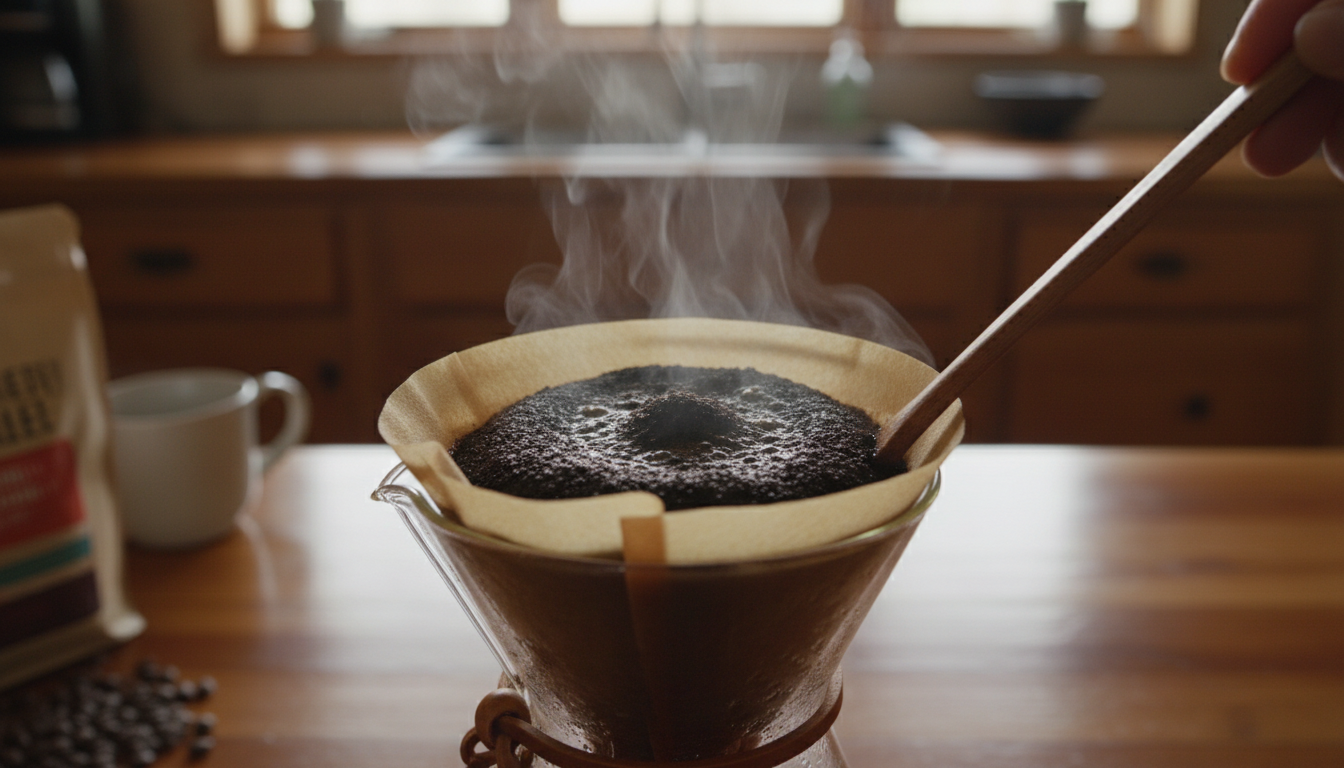
Pour over gives you control over bloom, agitation, and flow rate, which can help you dial in extraction. It is also a method where small changes in technique can noticeably change bitterness and brightness.
Aeropress is flexible because you can use paper filters and adjust steep time and pressure. It can produce a rich cup without the heavy oil load of unfiltered immersion.
Pod machines are convenient, but they often use smaller doses and can produce a cup that encourages multiple servings. If pods are your reality, focus on limiting sweetened add ons and keeping total caffeine reasonable.
One underrated move is simply drinking coffee black or with minimal additions, because that keeps the calorie load low. If you need milk, consider it part of your nutrition plan rather than an invisible splash.
Timing matters too, because drinking coffee very late can disrupt sleep even if the cup is otherwise “healthy.” A morning or early afternoon window often captures the benefits without the nighttime cost.
If you are sensitive, you can also split your intake into smaller cups instead of one large dose. That can reduce jitters while still giving you a steady stream of polyphenols in coffee.
Conclusion
Coffee earns its health reputation less through caffeine and more through a complex mix of antioxidants, especially chlorogenic acids and roast formed melanoidins. When you hear coffee and free radicals in the same sentence, the real point is that your daily cup can contribute to your overall antioxidant intake in a meaningful way.
Roast level and brew choices shift the profile, so pick what you will actually drink consistently and enjoy. If you keep coffee moderate, avoid loading it with sugar, and pair it with a diet that includes plants, the antioxidants in coffee health benefits story starts to look pretty reasonable.
The most useful mindset is to treat coffee as one tool in a larger health routine, not a shortcut. If it helps you replace soda, stay hydrated, or enjoy a calm morning ritual, that context can amplify the upside.
Pay attention to your own response, because tolerance varies more than people admit. The best cup is the one that tastes good, fits your sleep, and quietly supports your long term habits.
Coffee as a Pre-Workout: Does It Actually Improve Performance?
» Discover special tips and stories about coffee