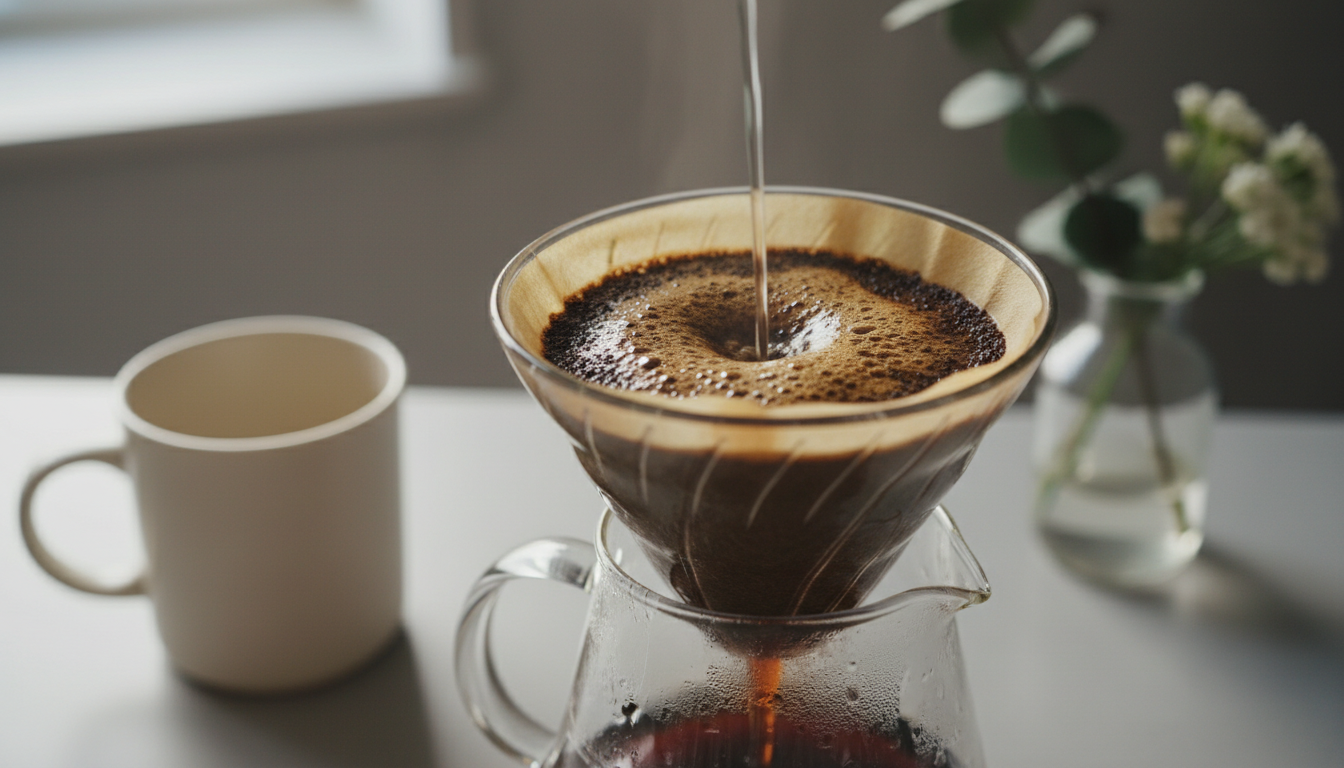
How Coffee Boosts Mental Focus and Cognitive Performance
Coffee is the most socially acceptable performance aid on the planet, and most of us use it without thinking twice. When you drink it with intention, coffee for mental focus and cognitive performance can feel less like a habit and more like a tool.
I have a simple bias: if a drink can sharpen your attention in ten minutes, it deserves a closer look. The catch is that coffee brain benefits depend on your biology, your sleep, and how you brew and dose it.
The internet loves extremes, either coffee is a miracle or it is a problem waiting to happen. The truth sits in the middle, where caffeine and focus can be fantastic on the right day and irritating on the wrong one.
This guide sticks to what matters in real life, how coffee changes attention, memory, and motivation, and how to avoid the jittery crash. If you care about coffee cognitive enhancement for work, study, or training, the details below are the difference between locked in and frazzled.
The science behind caffeine and the brain
Caffeine works mainly by blocking adenosine, a chemical that builds up during the day and makes you sleepy. When adenosine cannot bind as easily, your brain stays in a more wakeful state and effort feels less heavy.
That adenosine block also nudges other systems, including dopamine and norepinephrine, which is why coffee and concentration often rise together. You do not become smarter in a magical way, but you can access your existing skills faster and with less mental drag.
What Would You Like to Learn Next?
Choose an option below:
Genetics matters more than most coffee advice admits, because CYP1A2 and ADORA2A variants change how quickly you clear caffeine and how anxious it makes you. Two people can drink the same cappuccino and get totally different results, one gets clean focus and the other gets a racing mind.
Brewing method changes the delivery, too, because a ristretto hits fast while a big batch brew can encourage slow sipping and a longer plateau. If you want coffee for mental focus and cognitive performance, you should treat dose and speed like part of the recipe.

It also helps to remember that caffeine is not a direct fuel source, it is more like a volume knob on wakefulness. If your baseline is low because you slept five hours, caffeine and focus can feel like a rescue, but the rescue has limits.
Once caffeine is in your system, it crosses the blood brain barrier quickly, which is why the effect can feel sudden. That fast onset is great for a work sprint, but it can also magnify whatever mood you were already in.
Half life matters for planning, because many people still have a meaningful amount of caffeine in their system six hours later. If you are sleep sensitive, coffee brain benefits in the afternoon can quietly become a lighter, more fragmented night.
Decaf is not nothing, and it can still carry small amounts of caffeine and a strong ritual effect. For some people, decaf is the cleanest way to keep coffee and concentration without pushing into overstimulation.
Coffee is also a complex mix of compounds beyond caffeine, including chlorogenic acids and other polyphenols. Those do not replace the main caffeine mechanism, but they can change how the drink feels and how your stomach tolerates it.
The brain likes stability, so a consistent dose often creates more reliable results than random big swings. If you want coffee for mental focus and cognitive performance, consistency is a bigger lever than chasing the strongest bean on the shelf.
How coffee improves alertness and concentration
When people talk about caffeine and focus, they usually mean quicker reaction time and fewer attention slips. That shows up in boring tasks, like spreadsheet cleanup, where your brain wants to wander every thirty seconds.
Coffee also changes how you perceive effort, which is why starting a hard task can feel easier after a cup. You still have to do the work, but the first ten minutes stop feeling like pushing a car uphill.
For coffee and concentration, the sweet spot is often moderate stimulation, where you feel awake but not keyed up. If you overshoot, your attention can get narrow and jumpy, and you start switching tabs like a slot machine.
I like to pair coffee with a clear target, like writing 500 words or finishing a lab set, because caffeine amplifies whatever direction you give it. If you drink it while scrolling, it can turn into focused procrastination, which is a real talent and a real waste.
Alertness is not just staying awake, it is the ability to notice when you drift and pull yourself back. Coffee for mental focus and cognitive performance often helps most with that tiny moment of catching yourself before you lose ten minutes.
Concentration also depends on reducing background noise, like physical fatigue and low grade sleepiness. Caffeine and focus can feel like a mental declutter, where the task becomes the loudest thing in the room.
For creative work, coffee can be a mixed bag, because it can make you more persistent but sometimes less playful. If you need divergent thinking, a smaller dose can keep coffee brain benefits without turning you into a perfectionist editor too early.
For analytical work, the benefit is often more obvious, because the task rewards sustained attention and quick error checking. That is why coffee and concentration feel tailor made for coding, accounting, and dense reading.
The environment matters because caffeine makes you more sensitive to cues, both good and bad. A clean desk and a single open tab can turn coffee cognitive enhancement into deep work, while notifications can turn it into anxious multitasking.
If you are using coffee to power through meetings, keep in mind that stimulation can make you talk more and listen less. A smaller cup can support calm attention, which is a different kind of performance than raw output.
Many people confuse stimulation with productivity, but they are not the same thing. The goal is not to feel wired, it is to make coffee and concentration show up as completed tasks and fewer careless mistakes.
Coffee and memory: what research says
Memory is not one thing, and coffee brain benefits show up differently in working memory, long term storage, and recall speed. In practice, caffeine tends to help you hold and manipulate information for short periods, which is exactly what studying and problem solving require.
Long term memory effects look more mixed, partly because sleep does so much of the heavy lifting for consolidation. If coffee steals sleep, any coffee cognitive enhancement you felt at 2 p.m. can get paid back with interest the next morning.
Working memory is the mental scratch pad you use to keep track of steps, and caffeine can make that scratch pad feel less slippery. That can be the difference between staying with a complex paragraph and rereading the same line five times.
Attention during learning is a memory skill in disguise, because you cannot store what you never really processed. Coffee for mental focus and cognitive performance often helps by keeping you present long enough for the material to stick.
There is also a timing effect, because caffeine before learning is different from caffeine after learning. If you drink coffee late in a study session, you might feel awake, but you may have already spent the best part of your attention budget.
Stress changes memory, and caffeine can act like a stress amplifier when the dose is too high. That is why coffee and concentration can feel great in calm practice, then feel messy when you combine it with a deadline.
Recall under pressure is where people get tempted to increase their dose, but that is a risky move. If you want coffee brain benefits on a test or presentation day, the safest strategy is to keep the dose familiar and boring.
Another real world factor is hydration and nutrition, because dehydration can make memory feel worse even if you are stimulated. If you are chasing coffee cognitive enhancement, you should not ignore the basics that keep your brain running smoothly.
| Memory type | How caffeine often affects it | Practical coffee tip |
|---|---|---|
| Working memory | Small to moderate improvement in speed and accuracy | Use a modest dose before problem sets or coding |
| Attention during learning | Fewer lapses, better task persistence | Drink before the learning session, not halfway through |
| Long term consolidation | Mixed results, sleep quality can dominate outcomes | Avoid late afternoon coffee if you are sleep sensitive |
| Recall under pressure | Faster retrieval, sometimes more errors at high doses | Do not raise dose on test day, keep it familiar |
If you are using spaced repetition or flashcards, coffee can help you stay consistent with the reps. Consistency is memory’s unfair advantage, and caffeine and focus can make consistency easier to maintain.
If you are reading for comprehension, coffee can help you keep track of the thread of an argument. The risk is that too much stimulation makes you read faster than you understand, which feels productive until you try to explain it later.
For language learning, coffee and concentration can support the repetitive drills that build fluency. The key is to keep the dose low enough that pronunciation practice does not turn into tense jaw and rushed speech.
For skill learning like music or sport, caffeine can help with alertness but can also increase muscle tension. If you want coffee for mental focus and cognitive performance in training, start with a smaller dose and see how your body responds.
Mood, motivation, and the coffee connection
One underrated reason coffee helps performance is mood, because a better mood makes tasks feel more doable. A cup can raise your drive to start, which is often the real bottleneck in knowledge work.
That boost is not purely chemical, it is also ritual, smell, warmth, and the tiny break that resets your brain. If you build a consistent coffee routine, your brain starts associating the first sip with action, and that association is powerful.
There is a line where the mood lift flips into irritability, especially with stress, dehydration, or too much caffeine. When that happens, coffee and concentration can drop because you become reactive and impatient with small obstacles.
If you want coffee for mental focus and cognitive performance without the edge, pay attention to food and water. I notice the cleanest focus when coffee follows breakfast, and the worst focus when coffee replaces breakfast.
Motivation is not constant, and caffeine can make motivation feel more available on demand. That can be useful, but it can also hide the fact that you are relying on coffee to do emotional regulation work.
There is also a social mood effect, because coffee breaks can create a sense of connection and momentum. A short chat and a warm drink can reset your attitude, and that can translate into better output afterward.
If you are using coffee to push through something you hate, it can work, but it can also build resentment. Sometimes the better play is to use coffee and concentration for the hard part first, then reward yourself with the easier tasks.
Pay attention to the difference between calm motivation and frantic motivation. Coffee brain benefits feel best when you are energized and steady, not when you are sprinting from one worry to the next.
Some people get a noticeable mood dip when caffeine wears off, especially if they started with a big dose. If you want coffee cognitive enhancement without the emotional roller coaster, smaller servings and better timing usually beat stronger drinks.
It also helps to separate coffee from reward eating, because sugar spikes can distort how you interpret the coffee effect. If you always pair coffee with a pastry, you may be chasing the sugar rush while blaming the coffee for the crash.
Coffee, stress hormones, and the jitter problem
Caffeine can raise cortisol and adrenaline, especially if you drink it right after waking or when you are already anxious. That is why the same brew can feel smooth on Saturday and chaotic on Monday.
The jitter problem is often a dose and speed issue, like a large cold brew on an empty stomach. Fast absorption plus a big hit can feel like focus at first, then it turns into shaky hands and scattered attention.
Acidity and roast level do not cause jitters directly, but they can affect comfort, which matters for performance. If your stomach is unhappy, your brain will keep checking in on it, and coffee and concentration will suffer.
If you are sensitive, try a smaller serving, drink water alongside it, and choose a brew you can sip over 15 minutes. That pacing often keeps caffeine and focus steady instead of spiky.
Jitters can also be a sign that you stacked caffeine on top of stress, not that coffee is inherently bad for you. If your nervous system is already loud, coffee for mental focus and cognitive performance can push it over the edge.
Sleep deprivation makes jitters more likely, because your body is already compensating with stress hormones. In that state, even a normal dose can feel like too much, and coffee and concentration can turn into restless scanning.
Nicotine, certain pre workouts, and some decongestants can combine with caffeine in a way that feels harsh. If you want clean coffee brain benefits, it helps to know what else is in your system that day.
Electrolytes matter more than people think, especially if you train hard or sweat a lot. A little salt with meals and enough water can make caffeine and focus feel smoother, because your body is not fighting a hydration deficit.
Some people interpret jitters as energy and keep drinking, which is how a mild problem becomes a full day of agitation. If your hands shake or your thoughts race, the move is usually to stop, eat something, and go for a short walk.
Breathing and posture also matter, because caffeine can make you breathe shallowly and sit tense. A few slow breaths and a shoulder reset can bring coffee and concentration back without changing your dose.
Optimal timing: when to drink coffee for maximum focus
Timing matters because caffeine takes time to peak, and your body has its own daily alertness rhythm. For many people, coffee works best 60 to 90 minutes after waking, when the fog starts to lift but before the midmorning slump.
If you drink coffee the moment you open your eyes, you may get less perceived benefit and more dependence on the ritual. If you wait a bit, coffee for mental focus and cognitive performance often feels stronger with the same dose.
The peak effect usually shows up around 30 to 90 minutes after you start drinking, depending on how fast you consume it and what you ate. If you want caffeine and focus for a specific block, you should start the cup before the block, not after it starts going badly.
Many people also benefit from aligning coffee with their natural dip, which often comes in the early afternoon. A small dose can lift you out of the post lunch haze, but a large dose can ruin sleep and erase the benefit.
If you do shift work or travel, timing becomes less about the clock and more about your planned sleep window. Coffee and concentration are easiest to manage when you protect a caffeine cutoff that matches when you need to wind down.
Some people like to split the dose, like half a cup now and half a cup later, to avoid a spike. That can make coffee brain benefits feel smoother and reduce the urge to chase a second full drink.
If you are using coffee before training, the timing can be different because the goal is arousal and effort. For coffee cognitive enhancement at the gym, a dose 30 to 60 minutes before can work well, but it still needs to respect bedtime.
If you are prone to anxiety, it can help to avoid coffee right before high stakes conversations. A calmer baseline often produces better decisions, even if the caffeine and focus feel strong.
- First cup 60 to 90 minutes after waking
- Match coffee to the hardest task block
- Stop caffeine 8 hours before bedtime
- Use a smaller dose before meetings that require calm
- Try a short walk before your second cup
- Keep a consistent schedule on weekdays
Consistency is underrated, because your body learns what to expect and your sleep gets more stable. When your schedule is stable, coffee for mental focus and cognitive performance becomes easier to predict.
If you are experimenting, change one variable at a time, like timing first and dose later. Otherwise you will not know whether the improvement came from the coffee, the sleep, or the fact that you finally ate lunch.
For many people, the last cup is the one that quietly causes problems. If you want coffee and concentration tomorrow, you sometimes have to stop earlier today.
How much coffee is too much? Finding the right dose
Dose is where coffee cognitive enhancement either shines or falls apart. Most healthy adults do well around 1 to 3 mg of caffeine per kilogram for focused work, which is often less than people assume.
A typical 8 ounce brewed coffee can land anywhere from about 80 to 140 mg depending on beans and brew strength. Espresso looks intense but is often a moderate caffeine dose, while cold brew can quietly stack up.
Too much usually shows up as fast speech, tense shoulders, and a mind that keeps scanning for problems. At that point, coffee and concentration drop, because your brain shifts from task focus to threat focus.
I prefer a smaller first cup and a planned second dose if needed, rather than one huge drink that locks you into the jitters. That approach keeps caffeine and focus reliable, and it makes it easier to stop early enough for sleep.
It helps to think in milligrams instead of cups, because cup size is a moving target. If you want coffee for mental focus and cognitive performance, you should know whether your “one coffee” is 90 mg or 250 mg.
Body size matters, but so does sensitivity, which is why the same dose can feel totally different across people. The right dose is the smallest amount that creates noticeable coffee brain benefits without side effects.
There is also a dose ceiling where more caffeine stops improving performance and starts making it worse. If you keep increasing and your output does not improve, the problem is not a lack of caffeine and focus.
Be careful with “hidden” caffeine from energy drinks, tea, chocolate, and certain supplements. Coffee and concentration can become unpredictable when you accidentally stack multiple sources across the day.
If you are pregnant, have heart rhythm issues, or have anxiety disorders, your safe upper limit may be lower and more individualized. In those cases, coffee cognitive enhancement should be discussed with a clinician who knows your context.
If you use caffeine for workouts, remember that a pre workout plus coffee is still just caffeine, and it still counts. The cleanest approach is to pick one primary source so you can control dose and timing.
Tolerance, dependence, and the myth of endless productivity
Caffeine tolerance is real, and daily heavy use can blunt the sharp edge you remember from your first serious coffee phase. You can still enjoy coffee brain benefits, but you may need to treat coffee like a tool instead of a constant drip.
Dependence is not moral failure, it is biology, and withdrawal headaches can be brutal. If you want coffee for mental focus and cognitive performance long term, it helps to keep your baseline intake moderate.
Some people do well with occasional lower caffeine days, like switching to half caf or a smaller pour over on weekends. That keeps the Monday cup effective without making your workday miserable.
If you are chasing bigger and bigger doses, the problem may be sleep debt, not a lack of caffeine. Coffee can cover up fatigue for a while, but it cannot replace the mental clarity that comes from real rest.
Tolerance can show up as needing coffee just to feel normal, which is a different goal than performance. If your first cup only removes a headache, you are not getting coffee cognitive enhancement, you are paying maintenance costs.
Withdrawal is also a clue about how fast you ramped up and how consistently you used caffeine. If you want coffee and concentration without the penalty, a gradual taper is usually kinder than quitting overnight.
There is also the productivity myth that you can keep adding stimulation and keep getting output. In reality, caffeine and focus work best when they support good systems like planning, breaks, and sleep.
Some people try to use coffee to compensate for a chaotic schedule, but chaos will win eventually. Coffee for mental focus and cognitive performance is most effective when your day has clear task blocks and recovery time.
A simple way to protect sensitivity is to avoid sipping caffeine all day long. A defined window for coffee brain benefits, like morning and early afternoon only, often keeps tolerance from creeping up as fast.
If you love the ritual but want less dependence, decaf and half caf can keep the habit while lowering the load. That is not a downgrade, it is a strategy for making coffee and concentration sustainable.
Brew choice and sustainable sourcing for cleaner focus
Brewing method changes how coffee lands, and I think that matters for coffee and concentration more than people admit. A paper filtered pour over or drip tends to feel cleaner for many drinkers, while a heavy French press can feel richer but also heavier.
If you drink multiple cups daily, filtered methods can also reduce diterpenes like cafestol and kahweol compared with unfiltered brews. That is not a reason to panic about French press, but it is a good reason to vary your routine.
Sourcing matters for your conscience and for quality, because better processing usually tastes better and is easier to drink without sugar bombs. Look for traceable origins, direct trade relationships, or reputable certifications, and pay attention to harvest and roast dates.
Sustainability also shows up in your kitchen, like using a reusable filter cup, composting grounds, and buying in amounts you will finish fresh. Stale coffee pushes people to over extract or over sweeten, and that can muddy the clean edge you want from caffeine and focus.
Grind size and water temperature can change the perceived “cleanliness” of the cup, even if the caffeine dose is similar. If your coffee tastes harsh, you may interpret that harshness as jitters, which can distort how you judge coffee brain benefits.
Light roasts and dark roasts can both support coffee cognitive enhancement, but they often feel different in the body. Some people find darker roasts easier on the stomach, while others prefer the brighter, lighter profile because it feels more crisp.
Quality beans can reduce the need for heavy flavor masking, which keeps your routine simpler. When coffee tastes good black, coffee and concentration become about the effect, not about managing a dessert drink.
From a sustainability angle, buying less but better can be a real improvement, because it reduces waste and supports better farming practices. If you want coffee for mental focus and cognitive performance, you can align that with coffee that is grown and traded with care.
Even small choices like choosing a local roaster can improve freshness and transparency. Fresher coffee often means more satisfying flavor, which makes it easier to keep your dose moderate.
If you use pods, the convenience is real, but the waste can add up fast. A reusable pod or a simple drip setup can keep caffeine and focus predictable without the constant trash output.
Ultimately, the cleanest focus is the one you can repeat without friction. A sustainable, consistent brew routine is a quiet advantage for coffee and concentration over the long run.
Coffee pairings and routines that support deep work
Food pairing changes the experience, and it can smooth out the rise and fall of stimulation. A breakfast with protein and fiber, like eggs and oats, often makes coffee cognitive enhancement feel steadier.
If you are prone to heartburn or anxiety, milk based drinks can be gentler than straight black coffee. A small latte can still deliver coffee brain benefits while reducing the sharpness that some people get from acidic brews.
Routines matter because your brain likes cues, and coffee can become a cue for a specific mode of work. If you only drink your best coffee during your writing block, you train a strong association between that flavor and that kind of focus.
I also like a two minute setup rule before the first sip, clear desk, open the doc, set a timer, then drink. That tiny sequence makes coffee for mental focus and cognitive performance more consistent, because the caffeine lands after the work has already started.
A simple pairing that works for many people is coffee plus a glass of water, taken seriously. Hydration does not sound like a productivity hack, but it can make caffeine and focus feel smoother and less edgy.
Another helpful pairing is coffee plus a short plan, like writing the next three actions on paper. Coffee and concentration are more useful when you remove decision making friction before the stimulation kicks in.
If you do deep work blocks, consider keeping coffee as the start signal and tea as the maintenance signal. That lets you keep coffee brain benefits without stacking too much caffeine late in the block.
Music can pair well with coffee, but it depends on the task and the dose. If the caffeine is high and the music is intense, your brain can get overstimulated and lose precision.
Movement pairs well with coffee because it uses the stimulation instead of letting it bounce around in your chest. A five minute walk can turn coffee cognitive enhancement into a calmer, more directed energy.
For remote work, it helps to keep coffee out of the “all day sipping” loop. A defined coffee moment can separate work time from break time, which supports coffee and concentration instead of blurring it.
If you are using coffee as a reward after a task, that can work too, but it changes the psychology. In that setup, coffee for mental focus and cognitive performance becomes more about reinforcing consistency than about immediate stimulation.
The best routine is the one you can repeat on a bad day, not the one that only works when everything is perfect. If your routine is simple, coffee and concentration become dependable rather than dramatic.
Conclusion
Coffee can improve alertness, attention, and task persistence, and those are the building blocks of real output. The best results come from a moderate, repeatable dose, a smart schedule, and respect for sleep.
If you want coffee for mental focus and cognitive performance, treat it like a calibrated tool, not a constant background drink. When you match brew, timing, and sustainability minded sourcing to your body, coffee and concentration become easier to control and easier to enjoy.
The goal is not to drink more coffee, it is to get more value from the coffee you already drink. When you keep dose reasonable and timing intentional, coffee brain benefits show up as calmer attention and better follow through.
If your coffee strategy is not working, the answer is often simpler than a new supplement stack. Fix sleep, tighten the schedule, and then let caffeine and focus do what they do best.
In the end, coffee is a lever, not a foundation. Use it to support good habits, and coffee for mental focus and cognitive performance will stay helpful instead of turning into a daily negotiation.
Can Coffee Help You Live Longer? What the Research Says
» Discover special tips and stories about coffee