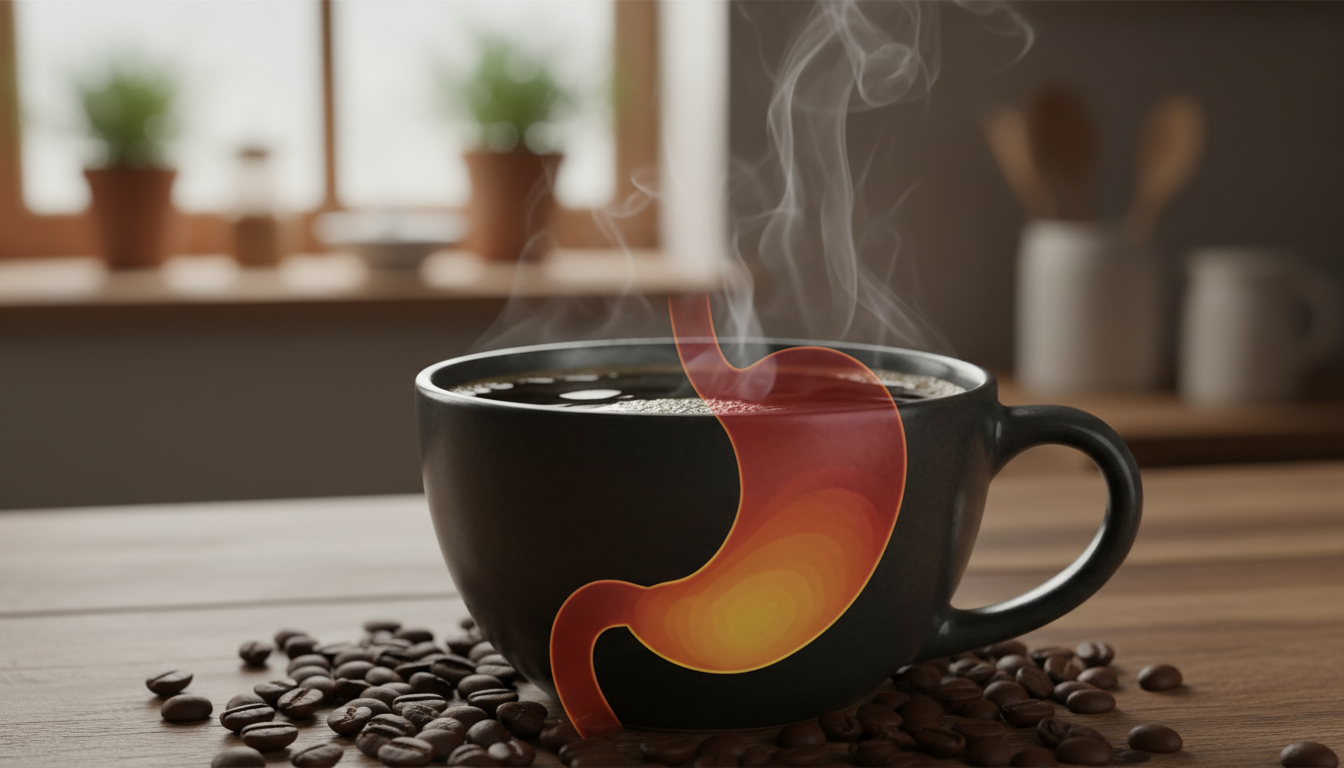
Coffee and Type 2 Diabetes: Does Drinking Coffee Lower Your Risk?
Coffee has a weird reputation in health conversations, it gets praised one week and blamed the next. When it comes to coffee and type 2 diabetes risk, though, the research trend has been surprisingly consistent.
Many large population studies link habitual coffee drinking with a lower chance of developing type 2 diabetes over time. That does not mean coffee is a medicine, but it does mean your daily mug is worth taking seriously.
The confusing part is that coffee can raise coffee blood sugar in the short term for some people, especially if they are sensitive to caffeine. So how can something that sometimes bumps glucose still show up as protective in long term studies?
Part of the answer is that coffee is not one thing, it is a complex brewed drink with hundreds of compounds. The other part is that lifestyle factors, brewing habits, and what you add to the cup can swing the story in either direction.
It also helps to separate what you feel after a cup from what happens to disease risk over a decade. Those two timelines can point in different directions without either one being fake.
If you are trying to make sense of coffee diabetes prevention headlines, you have to zoom out and look at patterns, not one morning’s glucose number. The goal is to understand where coffee fits in a real life routine that includes meals, sleep, stress, and movement.
What Would You Like to Learn Next?
Choose an option below:
The link between coffee consumption and diabetes risk
When researchers track big groups of people for years, coffee drinkers often develop type 2 diabetes less often than non drinkers. This pattern shows up across different countries and diets, which makes it harder to dismiss as a fluke.
These studies usually report risk in relative terms, like a lower percentage of new diabetes cases among people who drink more coffee. That sounds dramatic until you remember it is correlation, not proof that coffee diabetes prevention works for everyone.
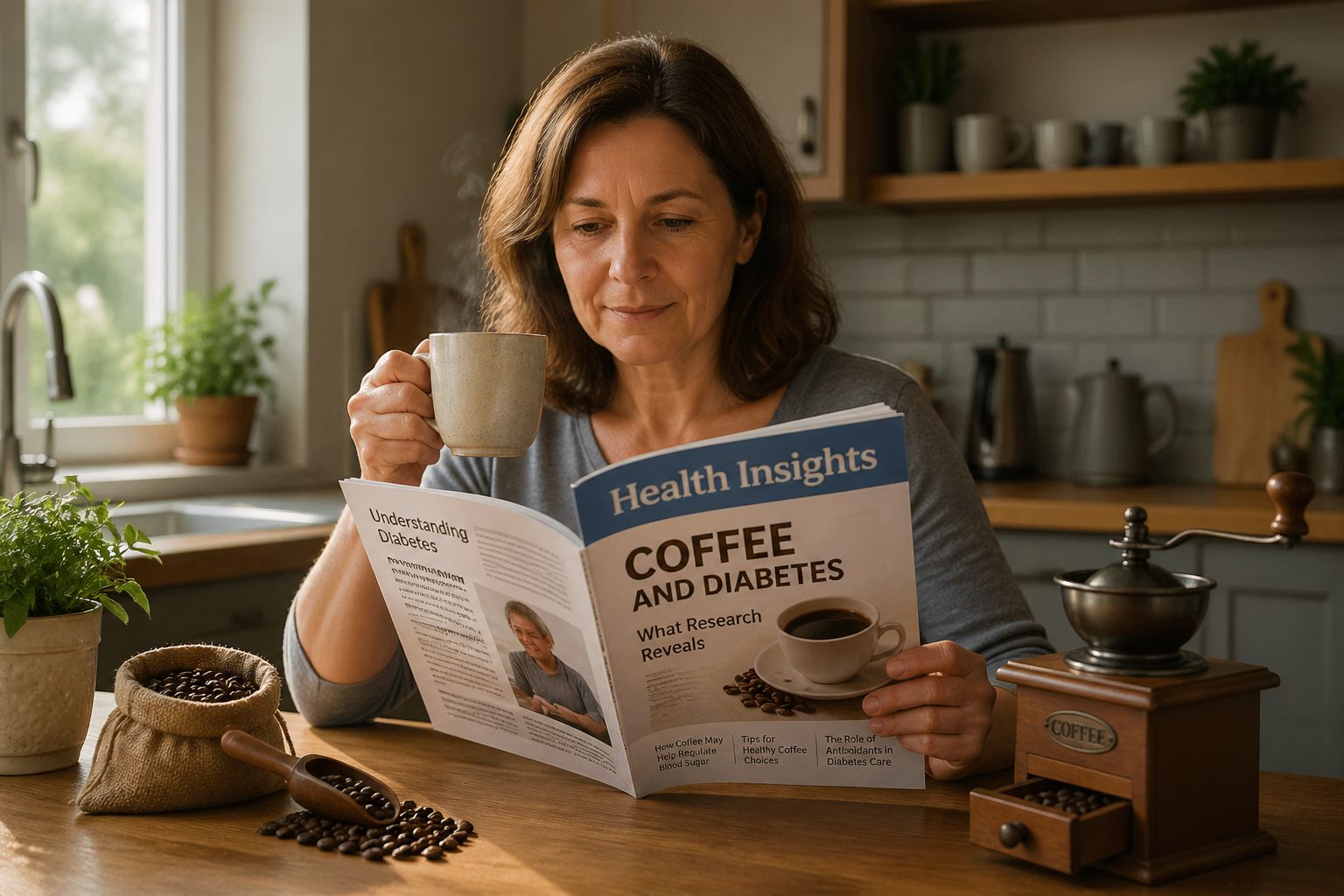
Still, the association sticks around after adjusting for common confounders like age, body weight, smoking, and activity. That suggests something about coffee itself, or the habits around it, may contribute to lower coffee and type 2 diabetes risk.
I also think the culture matters, because people drink coffee in very different ways. A plain filtered coffee at home is a different metabolic event than a 20 ounce sweetened blended drink that is basically dessert.
Another nuance is reverse causation, people who already have rising blood sugar may cut back on coffee if it makes them jittery or disrupts sleep. If higher risk people self select out of coffee, the remaining coffee drinkers can look healthier on paper.
Even with those caveats, the overall signal is strong enough that many scientists treat coffee as a believable protective marker. The more interesting question becomes which coffee compounds matter, and whether you can keep the benefits without the downsides.
One reason the link is taken seriously is that it shows up in multiple cohorts that use different questionnaires and follow up methods. When different teams keep seeing the same direction of effect, it becomes less likely that it is pure measurement error.
At the same time, coffee drinking often clusters with other behaviors, like taking a short break, walking to a cafe, or eating breakfast more consistently. Those patterns can support better glucose control even if the coffee itself is only part of the story.
Researchers try to adjust for diet quality, but food surveys are imperfect and people forget what they ate. If coffee drinkers are also more likely to eat fiber or less likely to drink soda, the math can only correct so much.
There is also a socioeconomic layer, because in some places coffee is a sign of higher income and better access to healthcare. In other places it is a cheap staple that cuts across income groups, which is why results across countries are useful.
Another detail is that people who drink coffee regularly may have more stable daily rhythms, like a consistent wake time. Regular sleep and meal timing can improve insulin sensitivity, so the coffee habit may be tied to the schedule it anchors.
It is also possible that coffee drinkers replace other drinks with coffee, like sugary soda or juice. If coffee becomes the default beverage, that substitution alone can lower total sugar intake and help explain lower coffee and type 2 diabetes risk.
Some studies see a dose response, where risk drops as coffee intake rises up to a point. Dose response patterns are not proof, but they are one of the clues scientists look for when judging whether an association might be causal.
Even so, the protective association is an average, not a promise, and averages hide outliers. Your personal response can be shaped by sleep debt, stress, medication, and the way you build your cup.
If you want to use the research responsibly, treat coffee as a small lever rather than the main strategy. The basics still dominate diabetes risk, and coffee is more like a supporting actor than the hero.
What components in coffee affect blood sugar
Caffeine gets most of the attention, but it is only one part of the brew. Coffee also contains chlorogenic acids, lignans, trigonelline, magnesium, and a long list of other polyphenols that can influence metabolism.
Chlorogenic acids may slow carbohydrate absorption in the gut and may nudge how the liver releases glucose. That is one reason people talk about coffee blood sugar effects in a more nuanced way than just “caffeine raises glucose.”
Roasting changes the chemistry, and darker roasts tend to have less chlorogenic acid than lighter roasts. On the other hand, darker roasts can create different antioxidant compounds, so the cup is never a simple scorecard.
Brewing method matters too, because paper filters trap diterpenes like cafestol and kahweol that can raise LDL cholesterol in some people. Those same diterpenes may have mixed metabolic effects, which is why filtered versus unfiltered coffee is not just a taste preference.
Then there is what people actually do with coffee, because sugar, flavored syrups, and whipped toppings can overwhelm any subtle benefit. If your “coffee” includes 50 grams of added sugar, the drink is working against coffee diabetes prevention no matter how good the beans are.
Milk and cream add protein and fat that can blunt a glucose spike, but they also add calories. If weight management is part of your diabetes risk plan, the extras can quietly matter more than the roast level.
Trigonelline is another compound that gets discussed because it may influence glucose metabolism and gut bacteria. It also breaks down during roasting into other compounds, which again shows how roast level changes more than flavor.
Magnesium is a small piece of the puzzle, but it is worth mentioning because magnesium status is linked with insulin sensitivity. Coffee is not a magnesium supplement, yet regular intake can contribute a little over time depending on the brew.
Polyphenols in coffee may reduce oxidative stress and inflammation, and chronic inflammation is tied to insulin resistance. That does not mean coffee is an anti inflammatory cure, but it helps explain why long term effects may differ from short term caffeine effects.
Gut microbes may also be part of the story, because coffee compounds can act like substrates that shift bacterial populations. Changes in the gut can influence glucose control indirectly through appetite, hormones, and inflammation.
Cold brew sometimes feels gentler for people with reflux, and that can change how consistently they can drink coffee. Consistency matters in observational research, because the benefits are usually linked with habitual intake rather than occasional cups.
Instant coffee is often treated as lower quality, but it still contains many of the same compounds, just in different amounts. If instant helps someone avoid sugary cafe drinks, it can be a net win for coffee and type 2 diabetes risk.
Serving temperature does not change glucose directly, but it can change behavior, like sipping slowly versus chugging. Slow sipping can reduce the stress response for some people, which may soften the caffeine and insulin sensitivity effect.
Even the water and mineral content can shift extraction, which changes how strong the cup is. If you are trying to troubleshoot coffee blood sugar spikes, brew strength is one of the easiest variables to adjust.
Finally, it is worth remembering that coffee is often paired with something, like breakfast, a snack, or a cigarette in some cultures. The pairing can dominate the metabolic outcome, which is why the cup cannot be evaluated in isolation.
Regular vs decaf: which has more impact on diabetes risk
Decaf often gets treated like a consolation prize, but decaf coffee diabetes research is one of the most interesting parts of the whole topic. Many studies find that decaf is also linked with lower diabetes risk, which points away from caffeine being the only driver.
That does not mean caffeine is irrelevant, because caffeine and insulin sensitivity can shift in the short term and may affect some people strongly. It means the non caffeine compounds in coffee probably carry a lot of the long run association.
Decaf is not caffeine free, and sensitive people can still feel it if they drink several cups. If you are using decaf to protect sleep, it helps to check how you respond rather than assuming it is neutral.
The decaffeination process can change the chemical profile slightly, but most of the polyphenols remain. That is why decaf can still plausibly support the same long term pattern seen with regular coffee.
Regular coffee can be a problem if it pushes you into a stress response, especially when you drink it fast or on an empty stomach. For those people, decaf can keep the ritual while reducing the adrenaline driven glucose bump.
There is also a behavioral advantage to decaf, because it gives you an option later in the day without paying the sleep penalty. If better sleep improves insulin sensitivity, decaf can indirectly support better glucose control.
Some people do best with a split strategy, caffeinated in the morning and decaf after lunch. That approach respects both the potential long term benefits and the very real short term side effects.
If you are trying to reduce caffeine, tapering with half caf can be easier than quitting abruptly. Withdrawal headaches and fatigue can lead to less activity and more snacking, which is not great for coffee and type 2 diabetes risk either.
Another angle is anxiety, because anxiety can raise glucose through stress hormones even without caffeine. If coffee worsens anxiety, decaf can be a simple way to remove a trigger without losing the habit completely.
It is also worth noting that some decaf drinks at cafes still come loaded with sugar and toppings. Decaf coffee diabetes friendly choices still have to be built like a real beverage, not a dessert with a decaf label.
| Type of coffee | What it tends to change | Practical takeaway |
|---|---|---|
| Regular caffeinated | May raise glucose temporarily in some people, may reduce risk in long term studies | Best earlier in the day, watch add ins and portion size |
| Decaf | Often shows similar long term association with lower diabetes risk | Good option if caffeine worsens sleep or anxiety |
| Espresso based drinks | Depends on what is added, straight espresso is small but sweet drinks can spike sugar | Choose unsweetened, use cinnamon or cocoa instead of syrup |
| Unfiltered coffee (French press, Turkish) | Higher diterpenes, may raise LDL cholesterol in some people | Rotate with paper filtered if cholesterol is a concern |
How many cups per day show the strongest effect
In many observational studies, the biggest drop in coffee and type 2 diabetes risk shows up in people who drink multiple cups per day. The sweet spot often looks like roughly three to five cups daily, though the exact number varies by study design and cup size.
This is where coffee culture complicates the advice, because a “cup” can mean a 6 ounce home mug or a 16 ounce cafe pour. If you want to compare your intake to research, it helps to think in ounces and caffeine content, not just cup counts.
I do not think most people need to chase a high number if coffee disrupts sleep or triggers reflux. Poor sleep alone can worsen insulin resistance, so pushing coffee too late to hit a target can backfire.
There is also a ceiling effect, because at some point more coffee adds jitters, higher heart rate, and more room for sugary add ons. A steady habit of moderate coffee tends to look better than wild swings between none and a huge amount.
If you are starting from zero, jumping straight to four cups can be a bad idea for your stomach and your nerves. A gradual change also makes it easier to see how your own coffee blood sugar response behaves.
The best “dose” is the one you can sustain while keeping the rest of your diet clean and your sleep intact. Coffee diabetes prevention, if it exists at all, probably works as a small nudge on top of the basics like fiber, activity, and body weight.
Another practical issue is that higher coffee intake often means higher caffeine intake, and caffeine tolerance varies wildly. Some people can drink four cups and nap, while others feel shaky after one strong mug.
If you want to experiment, it helps to change one variable at a time, like adding one extra cup for a week. That approach keeps the experiment realistic and reduces the chance that you blame coffee for a bad week caused by stress or poor sleep.
Hydration also gets mentioned, and while coffee is not dehydrating in a dramatic way for most habitual drinkers, it can replace water if you are not paying attention. Dehydration can raise perceived fatigue and cravings, which can indirectly affect glucose control.
People often forget that the size of the mug changes the dose more than the number of refills. A single large travel mug can equal two or three “cups” in research terms.
Strength matters too, because a lightly brewed diner coffee is not the same as a high caffeine specialty brew. If your coffee is very strong, fewer cups may deliver the same caffeine load as more cups of a weaker brew.
Adding coffee can also shift appetite, and some people eat less breakfast when they drink coffee. Skipping breakfast can work for some, but for others it leads to overeating later, which can worsen overall glucose patterns.
It also matters whether your coffee intake is steady every day or only on workdays. Big swings can create big swings in sleep, appetite, and stress hormones, which makes coffee blood sugar effects harder to interpret.
If you are using coffee to replace sleep, the dose is already too high in the wrong way. More coffee cannot fix chronic sleep debt, and sleep debt is a direct hit to insulin sensitivity.
For many people, two to three cups of simple coffee early in the day is a reasonable compromise. It captures the habit without pushing into the zone where side effects start running the show.
Short-term vs long-term effects of caffeine on insulin
Short term caffeine can reduce insulin sensitivity in some people, especially if they are not used to it. That is why some continuous glucose monitor users see a higher spike after breakfast when they add a strong coffee.
This effect likely relates to stress hormones like adrenaline, which can tell the liver to release more glucose. If you already run anxious or you drink coffee on an empty stomach, the caffeine and insulin sensitivity hit can feel stronger.
Long term, regular coffee drinkers often show a different pattern, because the body adapts to caffeine and the non caffeine compounds keep showing up every day. That adaptation may explain why long term studies still connect coffee with lower diabetes risk even though caffeine can look unhelpful in short lab tests.
Timing changes everything, because caffeine late in the day can cut sleep quality even if you fall asleep on time. Chronic sleep loss pushes hunger hormones around and worsens glucose control, so a late afternoon coffee can quietly raise diabetes risk through the back door.
There is also the question of what you eat with coffee, because a pastry plus a sweet latte is a glucose bomb that you can blame on coffee if you are not paying attention. If you want to test coffee blood sugar effects, keep the food the same and change only the coffee.
For many people, the practical move is simple, drink caffeinated coffee earlier, and use decaf when you want the taste later. That keeps the ritual while reducing the chance that caffeine wrecks your sleep and your glucose control.
Another short term issue is that caffeine can change how you perceive hunger and energy, which can change what you eat. If coffee makes you skip a balanced meal and then crash later, the net effect can be worse even if the coffee itself is not the main problem.
Some people notice that coffee raises glucose more when they are under stress, which makes sense because stress hormones stack. A stressful morning plus caffeine can create a bigger liver glucose release than a calm morning with the same cup.
Exercise can change the picture, because a walk after coffee can help muscles pull glucose out of the blood. If you drink coffee and then sit for hours, you may see a different response than if you drink coffee and stay active.
Food timing matters as well, because coffee taken with a protein rich breakfast may land differently than coffee taken alone. For some people, pairing coffee with food reduces jitters and smooths the glucose curve.
There is also tolerance, because the first week of daily coffee can feel very different from month three. If you are evaluating coffee and insulin sensitivity, it helps to consider whether you are in an adaptation phase.
Long term benefits, if they are real, likely come from repeated exposure to polyphenols and other compounds that influence liver function and inflammation. Those changes do not show up in a single morning’s glucose reading, which is why the timelines can clash.
Sleep is still the big mediator that people underestimate, because caffeine can hide fatigue while still harming recovery. If coffee pushes bedtime later or makes sleep lighter, your next day glucose control can worsen even if the coffee felt helpful.
It can help to set a caffeine cutoff time and treat it like a health boundary, not a rule you break casually. That one change can protect sleep and make the rest of your coffee routine feel more stable.
If you are using a CGM, look at patterns across several days rather than one spike. Day to day variability is normal, and coffee blood sugar effects can be drowned out by stress, poor sleep, or a higher carb meal.
For people who are very sensitive, even switching to a smaller serving or a lower caffeine bean can make a noticeable difference. You do not have to choose between quitting coffee and suffering through spikes, because there are middle options.
Who should be cautious about coffee and blood sugar
People with prediabetes or diabetes who notice a consistent glucose rise after coffee should not ignore it. Your meter or CGM data is personal, and it can matter more than population averages about coffee and type 2 diabetes risk.
Pregnant people also need to be careful with caffeine intake, because recommendations cap daily caffeine for fetal safety. If pregnancy already raises insulin resistance, it is smart to keep coffee blood sugar surprises to a minimum.
People with anxiety disorders or panic symptoms may find that caffeine reliably worsens their baseline stress. Since stress hormones can raise glucose, the indirect effect can be just as important as any direct caffeine effect.
Anyone with chronic insomnia should treat caffeine like a serious lever, because sleep loss is a powerful driver of insulin resistance. Even if coffee looks protective in studies, your personal sleep response can override that average.
People with reflux or sensitive digestion may compensate by adding more milk and sugar to make coffee feel tolerable. Those additions can change the metabolic impact more than the coffee itself.
Those with high blood pressure or heart rhythm issues may need to be careful with large caffeine doses, especially if they are not habitual drinkers. A racing heart can also feel like low blood sugar, which makes self monitoring confusing.
People taking certain medications should also think about timing, because caffeine can interact with how alert or jittery you feel. If coffee makes side effects worse, it is harder to stay consistent with the rest of your health plan.
Shift workers are another group to watch, because caffeine is often used to fight an unnatural schedule. If coffee becomes a tool to push through exhaustion, the sleep disruption can increase diabetes risk even if the coffee itself has benefits.
Finally, anyone who only drinks coffee in the form of sweet specialty drinks should be cautious about assuming the research applies. The studies are mostly about coffee, not milkshakes with espresso shots.
- Check glucose response with and without coffee at the same meal
- Keep coffee unsweetened, skip syrups and sugary creamers
- Drink caffeinated coffee earlier in the day to protect sleep
- Consider decaf coffee if caffeine triggers spikes or anxiety
- Choose paper filtered coffee more often if LDL cholesterol is high
- Watch portion size, especially with cafe drinks
If you see spikes, try changing only one thing, like switching to half caf or drinking coffee after breakfast instead of before. Small experiments are easier to interpret than big overhauls.
It can also help to look at your average glucose and time in range, not just the peak after coffee. A small bump that resolves quickly may not matter as much as a long elevated period driven by what you ate with the coffee.
If you are unsure, it is reasonable to bring your coffee routine to a clinician or dietitian and talk through it. Coffee is common enough that it is worth treating as a real variable, not a guilty pleasure you hide.
What the studies cannot tell us yet
Most of the reassuring data on coffee diabetes prevention comes from observational research, and that kind of research cannot prove cause and effect. Coffee drinkers may differ in ways that statistics cannot fully capture, like stress levels, meal timing, or how often they cook at home.
Randomized trials that last long enough to measure new diabetes cases are rare, because they are expensive and hard to run. Short trials can test caffeine and insulin sensitivity, but they cannot easily measure the slow changes that might drive lower risk over years.
Studies also struggle to capture coffee details that people care about, like roast level, brew strength, and whether the coffee is filtered, cold brewed, or pulled as espresso. A light roast pour over, a gas station drip, and a sugary bottled frappuccino all count as “coffee” in many surveys.
Genetics adds another layer, because some people metabolize caffeine quickly and others slowly. If you clear caffeine slowly, a late coffee can mess with sleep more, and that can reshape your personal coffee and type 2 diabetes risk in a way averages miss.
There is also the possibility that coffee is a marker for routines that protect health, like a consistent morning schedule or a social break that lowers stress. That is hard to measure, but anyone who has worked a chaotic shift schedule knows how much routine affects eating and sleep.
Finally, most studies look at diabetes incidence, not day to day glucose variability, which matters for how people feel and function. You can have a lower long term risk on paper and still have rough mornings if coffee spikes your glucose and makes you shaky.
Another limitation is reporting accuracy, because people estimate coffee intake from memory and habits change over time. Someone who reports three cups a day at baseline may be drinking one cup a day five years later.
Studies also rarely track what people add to coffee with enough precision to separate black coffee from sweetened coffee. A tablespoon of sugar versus a flavored creamer versus a syrup based drink can create totally different outcomes.
Even “black coffee” is not always the same, because some people drink it with a snack and others drink it alone. If coffee is consistently paired with refined carbs, the coffee can get blamed for a pattern driven by the pairing.
There is also the issue of healthy user bias, where people who follow health news may adopt coffee habits alongside other changes. If coffee is part of a broader “I’m getting healthier” phase, it can look more powerful than it is.
On the mechanistic side, it is still unclear which pathways matter most, like liver glucose output, muscle glucose uptake, or gut hormone signaling. Coffee contains so many compounds that more than one mechanism could be contributing at once.
Researchers also debate whether the benefits are linear or whether they flatten out after moderate intake. If the curve flattens, pushing intake higher would not add much benefit and could add side effects.
Another open question is whether coffee helps more in some groups than others, like people with higher baseline inflammation or different diets. The average effect might hide subgroups that respond strongly and others that do not respond at all.
We also do not have perfect data on how coffee interacts with weight change over time. If coffee helps appetite control for some people, that could reduce diabetes risk indirectly through weight, not through glucose biology directly.
Finally, studies do not always separate the effect of coffee from the effect of caffeine from other sources like energy drinks and soda. If caffeine sources differ, the coffee specific story can get blurred.
All of this is why I treat coffee as a potentially helpful habit, not a prescription. The science is promising, but it is not precise enough to tell every person exactly what to do.
Conclusion
The best reading of the evidence is that coffee is associated with lower coffee and type 2 diabetes risk, especially when people drink it regularly and keep it simple. The strongest case comes from long term patterns across many studies, not from any single miracle compound.
Caffeine can complicate things, because caffeine and insulin sensitivity may worsen briefly even while long term outcomes look better. If you see coffee blood sugar spikes, switching timing, reducing strength, or using decaf coffee diabetes friendly options can make the habit easier to live with.
If you want coffee diabetes prevention to be more than a headline, treat coffee like part of your overall food system, not a standalone hack. Choose quality beans when you can, brew in a way you enjoy, and stop letting sugar turn your cup into dessert.
Coffee is also an agricultural product, and how it is grown matters for the long run. Buying from roasters who publish sourcing details and support sustainable production is good for farmers, and it keeps the daily ritual worth having.
It also helps to remember that the best coffee routine is boring in the best way, consistent, earlier in the day, and not overloaded with extras. That kind of routine is easier to maintain than a complicated drink order that changes with your mood.
If you do not drink coffee, you do not need to start for health reasons, because there are many other ways to lower diabetes risk. Fiber, resistance training, and sleep are still the heavy hitters.
If you do drink coffee, the simplest upgrade is usually reducing added sugar and paying attention to sleep. Those two changes alone can make coffee feel like a supportive habit instead of a daily wildcard.
And if you are tracking glucose, use the data to personalize rather than to panic. Coffee can be both enjoyable and compatible with stable blood sugar, but it works best when you treat it like a habit you design on purpose.
Can Coffee Help You Live Longer? What the Research Says
» Discover special tips and stories about coffee