Does Coffee Packaging Really Matter?
Learn how to preserve coffee freshness with the right coffee freshness packaging. Discover the best methods for maintaining flavor and aroma in our step-by-step guide.
Yes — and it affects what lands in your cup. How beans are stored and the bag itself shape how much roast flavor and aroma survive from roast to sip.
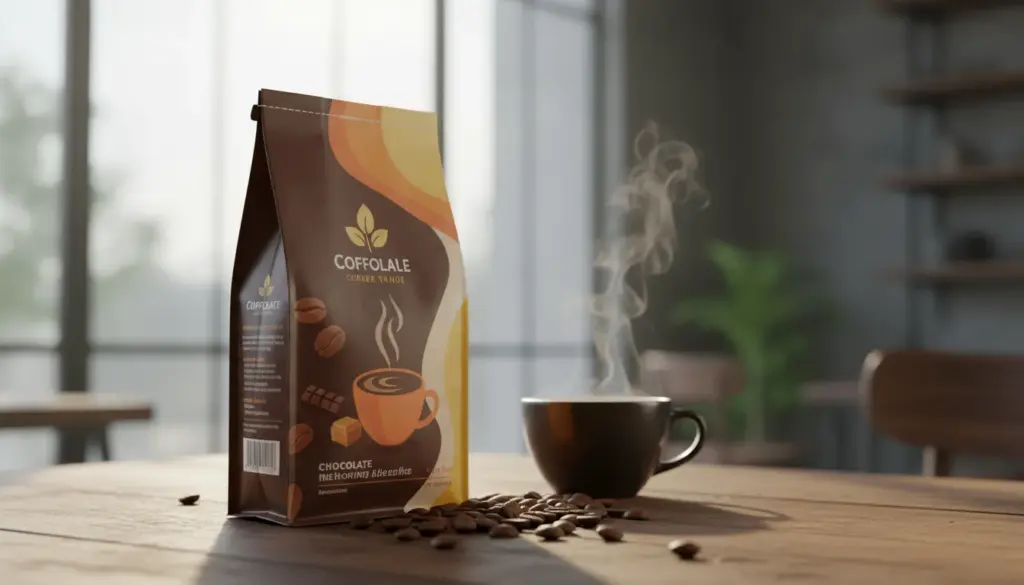
Flavor loss starts right after roasting and speeds up with poor handling. Design matters too: studies show many customers pick in seconds, and a well-made bag with valves or reseals signals care.
This guide defines what “fresh” means for home and retail use. It explains why the bag and your storage routine are as vital as the roast date.
We’ll cover the chemistry-driven enemies of freshness — air, light, heat, moisture, and odors — and focus on simple steps to limit exposure rather than complex gear.
Outcome: clearer taste in the cup, less waste, and smarter buys based on roast date and bag size. The tips apply to both whole bean and ground forms, though the time window differs.
Key Takeaways
- Proper storage and the right bag slow flavor loss and preserve taste.
- Packaging is both protection and a fast quality cue for customers.
- Air, light, heat, moisture, and odors are the main enemies to reduce.
- Advice covers roasters’ choices and household routines after opening.
- Whole bean and ground products need different time windows for best taste.
Why coffee goes stale fast after roasting
The moment beans exit the roaster, volatile compounds start to break down. Roasted coffee is chemically active; staling follows predictable reactions driven by the environment, not just time passing.
What Would You Like to Learn Next?
Choose an option below:
How oxygen triggers oxidation and flattens flavor
Oxygen reacts with many aroma molecules. When air reaches the surface, those volatile compounds oxidize and the cup tastes flatter, even if the bag is within its labeled date.
How light degrades oils and aroma
Visible light breaks down natural oils that carry scent and mouthfeel. Clear jars or sunny counters speed that loss and strip aroma fast.
How heat and temperature swings accelerate staling
Heat raises reaction rates. Daily temperature swings near ovens or windows push oxidation and volatilization faster than steady, cool storage.
How moisture and odors contaminate roasted coffee
Beans are hygroscopic: humidity and condensation damage flavor and make them absorb nearby smells. Spices, trash, or cleaners can impart off-notes if sealing is poor.
- Bottom line: control oxygen, light, heat, and moisture to slow detectable loss.
What coffee freshness packaging needs to protect flavor and aroma
Good bags must reduce oxygen, block light, resist moisture, and handle post-roast degassing without losing aroma.
How a one-way valve protects freshly roasted coffee
Degassing is normal: CO2 escapes for days after roasting. A one-way valve vents that gas while preventing oxygen backflow that speeds staling.
Resealable closures that limit air exposure
Options include press-to-close zippers, tin ties, heat-seal plus zipper, and roll-down clips. Each reduces repeated air exposure after opening, though zippers and heat seals give the tightest repeatable seal.
Barrier materials and why they matter
Multilayer films like mylar/BoPET block oxygen, light, and moisture far better than single-layer kraft. Kraft is compostable but needs an inner lining to match barrier performance.
| Feature | How it helps | Typical materials |
|---|---|---|
| One-way valve | Releases CO2, prevents oxygen entry | Polymer valve + foil-laminated bag |
| Reseal | Limits air after opening | Ziplock, tin tie, heat-seal |
| Barrier film | Blocks light/oxygen/moisture | Mylar/BoPET multilayer |
| Bag size/headspace | Less trapped air = slower oxidation | Smaller bags or portioning |
Airtight containers help when opaque and right-sized; clear or oversized jars can increase oxidation. Shoppers in the U.S. look for a visible roast date, product ID, and net weight as trust signals that match actual shelf quality.
How to store coffee at home based on your routine
Your brewing schedule should drive whether you keep a bag in the pantry or portion it out. Daily brewers can leave a sealed bag on the shelf. Occasional drinkers benefit from portioning into smaller containers or freezing unopened bulk.
Pantry storage that works
Store coffee in a cool, dark, dry cabinet away from ovens, dishwashers, and sunny windows. Aim for stable temperature to slow chemical change.
Why transferring beans to jars can backfire
Keep beans in the original bag if it has a one-way valve and a strong seal. Moving beans adds air exposure and handling increases oxidation risk.
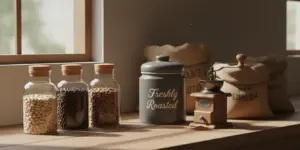
Many jars are clear and let in light. Lids may not be truly airtight. If you use a container, choose an opaque, right-sized option so the beans fill most of the space.
Why the refrigerator is a bad option
The fridge brings moisture and odors; condensation forms when temperature swings occur. Beans absorb nearby smells and lose taste quickly in that environment.
Tip: Colder isn’t better unless you freeze correctly. For most U.S. households, pantry storage wins for convenience and stability.
How to use the freezer correctly for bulk coffee and long-term freshness
Freezing can be a practical long-term choice when you buy more than you can brew within weeks. Use this option for bulk purchases, subscription backups, or any large quantities that will sit unused for months rather than a daily-use bag.
When freezing makes sense
- Choose freezing for unopened large bags or whole buys that won’t be used for weeks or months.
- Avoid freezing the daily bag you open and close often; repeated access defeats the benefit.
How to portion and seal
Divide bulk into smaller portions sized for a few days to a week of brewing. Smaller packs reduce repeated exposure and save time.
- Seal portions in airtight containers or freezer-safe zipper bags.
- Vacuum pouches or reinforced original bags inside an extra freezer bag work well to block moisture and odors.
Condensation, thawing, and why not to refreeze
Condensation forms when warm air meets cold contents; that moisture damages beans or grounds and speeds staling. To avoid this, remove one portion at a time and keep it sealed until it reaches room temperature.
Do not refreeze: repeated temperature swings increase condensation cycles and degrade flavor more than finishing a portion in the pantry.
Realistic expectations
Freezing is a viable long-term storage tool, not a substitute for good day-to-day habits. Use airtight containers, portion smartly, and treat the freezer as an occasional option for large quantities.
Whole beans vs ground coffee: packaging and time windows that change everything
How you buy and grind beans sets the clock on peak taste. Particle size and air contact control how fast aroma disappears.
Why whole beans stay fresh longer
Whole bean form limits exposed surface area, so oxidation moves slowly. That means the oils and volatile notes in roasted coffee last longer when beans are left intact.
Realistic timelines after opening
Typical best-taste windows: whole beans kept sealed in a cool pantry usually peak for about 3–4 weeks after opening. Ground coffee, with much more surface area, often hits its best in about 1–2 weeks.
- Days matter: ground loses noticeable flavor in days once opened; rotate quickly.
- Buy to match use: choose smaller bags or whole bean and grind just before brewing.
- For ground products: prioritize strong reseals, minimal headspace, and fast rotation to protect quality.
Note: roast level and handling change the curve, but no bag can stop oxidation entirely. Match purchase size to how many days or weeks you brew so the product is used during its peak.
Choosing coffee packaging bags: styles, materials, and what to prioritize today
Brands balance look and function when they pick a bag — that choice shapes storage performance and shopper response. Prioritize barrier, valve, and a reliable seal first. Then layer in sustainability and shelf impact.
Bag styles that balance function and retail impact
Flat bottom bags give a premium feel and five clear faces for branding. They stand well on the shelf and work with reseals.
Stand-up pouches are cost-effective and flexible for small runs. They balance fillability with branding area.
Gusseted bags are the traditional, affordable option for wholesale. Flat pouches suit single-serve, samples, and travel packs.
Kraft vs mylar and the trade-offs
Kraft looks natural and often reads as eco-friendly but can need a liner to block light and oxygen. Mylar/BoPET multilayer bags deliver the best barrier and longer shelf life.
- Storage tip: stronger barrier bags ease pantry risks; weaker bags mean faster use.
- Sustainability cues: recyclable LDPE, water-based inks, and clear disposal labels help U.S. customers choose with confidence.
Conclusion
A small routine—seal, cool, and use within weeks—keeps most coffee tasting close to the roast. Good packaging and proper storage together control the main factors: oxygen, light, heat swings, moisture, and odors.
For most kitchens, the default is simple: keep roasted coffee in its original, well-sealed bag on a cool, dark shelf and finish it within peak weeks. If you must store for months, freeze portioned, airtight packs and thaw sealed; never refreeze.
Do not refrigerate. The fridge adds moisture and household smells, which form condensation cycles that harm taste in the cup.
Remember whole beans last longer than ground. Ground products need faster use—days to a week—so strong seals matter from the moment you grind.
Bottom line: the right bag plus smart home storage preserves quality and flavor, protecting the roaster’s work and delivering a better cup without changing what you buy.
FAQ
Does packaging really matter for roasted beans?
Why does coffee go stale so quickly after roasting?
How does oxygen trigger oxidation and flatten flavor?
How does light degrade oils and aroma?
How do heat and temperature swings accelerate staling?
How do moisture and odors contaminate roasted beans?
What does packaging need to protect flavor and aroma?
How does a one-way valve help freshly roasted beans?
Are resealable closures important after opening?
What barrier materials best block oxygen, light, and moisture?
Why do bag size and headspace affect shelf life?
When do airtight containers help and when can they increase oxidation?
How does roast-date labeling help customers judge quality?
How should I store beans at home based on my routine?
Why can transferring beans to jars backfire versus the original bag?
Is the refrigerator a good storage option?
When does freezing make sense for bulk purchases?
How should I portion and seal when using a freezer?
Why shouldn’t I refreeze beans after thawing?
Why do whole beans stay flavorful longer than ground?
What realistic timelines should I expect after opening?
What bag styles balance function and shelf impact?
How do kraft paper bags compare to recyclable mylar?
What sustainability factors do U.S. shoppers notice?
How much does design and branding impact shelf decisions?
How to Spot Stale Beans Online: Red Flags in Listings, Photos, and Descriptions
» Discover special tips and stories about coffee