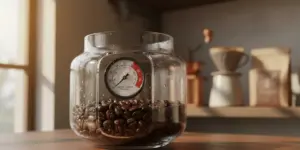
What Balanced Extraction Really Means
Achieve perfect coffee extraction balance with our step-by-step guide. Learn the techniques for a flawless brew every time.
Balanced extraction is the idea of pulling just the right mix of acids, sugars, oils, and darker compounds from ground beans so a cup tastes complete. In practical terms, the goal is a drink that is not too sharp, not too bitter, and not flat.
The process is controlled: water meets grounds over time and temperature, and you guide what ends up dissolved. Early pulls highlight bright acids and bitter caffeine. Mid pulls bring sugars and oils. Late pulls add heavier, darker notes.
Why this matters: hitting the sweet spot means clearer flavors, pleasant acidity, and a satisfying finish. Home brewers in the United States can reach that spot from drip machines to pour-over and espresso by tuning a few levers.
Focus on one change at a time — grind size, brew time, water temperature, or ratio — and use fresh beans and an appropriate roast to make improvements easier to taste.
Key Takeaways
- Balanced extraction aims for a complete, pleasant cup rather than extremes.
- It is a controlled process where water pulls compounds in stages.
- Adjust one variable at a time: grind, time, temp, or ratio.
- Target sensory wins: sweetness, clear flavor, balanced acidity, good finish.
- Fresh beans and the right roast make results more consistent.
What “Balanced Extraction” Means in Coffee (and Why It Changes Everything)
What the water takes from grounds determines whether a cup sings or falls flat. In plain terms, when hot water meets ground beans it dissolves the soluble bits that make up most of what you taste.
How water pulls flavor over time
Roasted beans are roughly 28% water-soluble by weight, so you can’t dissolve everything — and you shouldn’t try. That limit explains why grind and contact time matter.
What Would You Like to Learn Next?
Choose an option below:
At first, the water pulls bright acids and caffeine. With more contact, sugars, oils, and dissolved solids arrive. Toward the end, heavier, darker notes show up. The order is predictable, which is why timing changes taste.
The flavor sweet spot
Balanced extraction is the sweet spot: crisp acidity that feels pleasant, clear sweetness, aromatic oils, and enough darker notes to give body without harshness.
Good acidity is lively and clean, not sharp or puckering. The same beans can taste very different if you change grind, time, or water. Later sections will use this pattern to diagnose under- vs over-extracted brews.
The Variables That Control Coffee Extraction Balance
The most important levers for a repeatable brew are grind size, water heat, ratio, and timing. These variables interact: change one and others shift too. Keep notes so each tweak teaches you what works.

Grind size and surface area
Finer grind extracts faster because smaller particles expose more surface area. Water moves slower through a fine bed, increasing contact and dissolved solids.
Coarser size speeds flow and lowers extraction. Use grinder steps as your main control over how quickly flavor arrives.
Brew time and contact time
Typical targets help dial settings. For drip and pour-over aim for 2–4 minutes (often 3–4). For espresso, aim 20–30 seconds.
Contact time matters most where flow rate changes the drawdown. Slow pour-over draws more solubles than a fast pour at the same grind.
Water temperature
Keep water between 195°F and 205°F. Too hot pulls harsher, dark notes. Too cool leaves the cup thin and underdeveloped.
Coffee-to-water ratio
Use a golden ratio near 1:15–1:18 (1 g to 15–18 g water). More water dilutes clarity; less makes a dense, overpowering cup even if extraction is high.
Consistency tools
Measure dose with a kitchen scale. Use a temperature-controlled kettle or thermometer. Time each brew with a timer.
| Method | Grind | Typical Brew Time | Ratio (g:g) |
|---|---|---|---|
| Pour-over | Medium-fine | 3–4 minutes | 1:15–1:17 |
| Drip | Medium | 2–4 minutes | 1:15–1:18 |
| Espresso | Fine | 20–30 seconds | 1:2–1:3 (brew ratio) |
How to Taste When Extraction Is Off
Start by tasting in stages: sip when the drink is hot, again when warm, and once more as it cools. Each temperature highlights different taste clues that point to a brewing problem.
Recognizing under-extraction
Under-extracted brews hit with a quick, sharp sourness and show little sweetness. The cup can seem thin and end with a fast, disappearing finish.
Some people notice a faint salty or slick impression. These are simple signs that not enough of the soluble compounds dissolved.
Recognizing over-extraction
Over-extracted drinks taste bitter and often leave a drying, astringent feel—like an over-steeped black tea or a young red wine.
They can feel hollow or dull, with heavy dark notes that crowd out clearer flavors.
The ideally extracted cup
An ideal cup is sweet up front, with clear, transparent flavors and acidity that feels lively but integrated. The finish lingers and invites another sip.
- Sour/quick finish → usually too little extraction.
- Bitter/drying → usually too much extraction.
- Use tasting as your fastest troubleshooting tool: even great beans will fail if the brew is off.
How to Fix Under-Extracted or Over-Extracted Coffee
Start by identifying the taste flaw—sour, thin, bitter, or hollow—before making any change. Tasting first points you to the right variable to tweak.
Make one change at a time
Adjust a single variable per brew. This avoids overcorrecting and helps you learn which setting matters most.
If the cup is under-extracted
- Go finer on the grind or increase brew time by ~30 seconds.
- Slow the pour-over flow to lengthen contact time.
- Finer grounds raise surface area, which pulls more sugars and sweetness.
If the cup is over-extracted
- Use a coarser grind or shorten brew time by ~30 seconds.
- Speed drawdown slightly to cut late, bitter notes.
- Coarser grounds reduce extraction rate and tame astringency.
Method-specific playbook
- Espresso: target 20–30 seconds; very long shots (40–50s) often taste bitter.
- Pour-over: tweak pouring pace and grind; ensure even wetting to avoid mixed sour/bitter layers.
- French press: change steep time first; avoid overly fine grounds to limit sludge and harshness.
Measure dose and water with a scale so changes are clear. If adjustments stall, use freshly ground beans and a roast suited to your method.
| Issue | Primary Fix | Quick Tip |
|---|---|---|
| Sour / Thin | Finer grind, longer brew time | +30s or slower pour |
| Bitter / Astringent | Coarser grind, shorter brew time | -30s or faster drawdown |
| Uneven / Mixed | Improve grind consistency, even wetting | Stir or pulse pour |
Repeatable workflow: change one thing, taste, record, and iterate until the brew reliably lands in the sweet spot.
Conclusion
Small, measured choices—grind, water heat, and timing—turn inconsistent brews into reliable ones.
Keep control of grind size, brew time, water temperature (195–205°F), and a consistent 1:15–1:18 dose. These targets help the compounds that make flavors sing.
Use your palate as a compass: a sour or short finish points to too little extraction; bitter, drying notes mean too much; sweet, clear, long finishes show a well-made cup.
Measure and repeat. Track one change per brew so results teach you what works.
Next step: pick a method, brew, taste, adjust one variable, and repeat. Fresh beans and grinding unlock better aroma without new gear.
FAQ
What does "balanced extraction" really mean?
How does water pull flavors from grounds over time?
What is the flavor "sweet spot" in a properly extracted cup?
How does grind size affect how fast flavors are pulled?
What typical brew times should I use for drip, pour-over, and espresso?
What water temperature should I target for consistent results?
What coffee-to-water ratio gives reliable balance?
What tools help maintain consistent results?
How do I recognize under-extracted drinks?
What indicates over-extraction?
How should a properly extracted drink taste?
What’s the best approach to fix an off-tasting brew?
If my brew is under-extracted, what should I try first?
If my drink is over-extracted, what should I change?
What method-specific tweaks help most?
How important are fresh beans and roast level?
Cold Brew with Single Origin Beans: Bright vs Chocolatey Results by Region
» Discover special tips and stories about coffee