How Oxygen Slowly Ruins Coffee Flavor
Discover the effects of coffee oxidation and how to mitigate them. Our how-to guide provides actionable steps to preserve your coffee's flavor and aroma.
Oxygen begins a quiet chemical change the moment roasted beans meet air. This process pulls at volatile aromatics and shifts taste, so your cup can go from bright to flat within minutes.
The effect shows up at several points: after roasting, after grinding, and after brewing. Ground beans lose quality fastest because more surface area meets oxygen.
Expect a stale or muted profile sooner than most people think, even when the drink still feels warm. Later sections will explain which compounds break down and give simple steps for longer freshness at home.
Key Takeaways
- Air contact is the main driver of flavor loss.
- Whole beans and one-way valve bags slow the pace of decline.
- Grind only what you will brew for best aroma retention.
- Check roast date and use airtight storage to preserve freshness.
- Simple serving changes beat long warming plates for taste.
Why coffee loses flavor faster than you think
Within moments of pouring, aromas slip away and the drink’s balance shifts. Volatile compounds evaporate fast, so the first few minutes are the most expressive for any cup.
What changes first: aroma, sweetness, acidity, and bitterness
The nose goes first: aroma thins and complexity drops. As that happens, sweetness feels muted and acidity loses its clarity.
Bitterness often becomes more noticeable. That change can make a brew seem flat or harsh even though the recipe and beans were excellent.
What Would You Like to Learn Next?
Choose an option below:
Why “it cooled down” isn’t the whole story
Two things happen at once: temperature-driven perception shifts and chemical changes from air contact. Cooler liquid alters how we sense sweetness and acids.
At the same time, direct exposure causes real chemical change in the cup. For the most expressive taste, plan to sip within the first several minutes.
- Fast fade: aroma loss + chemistry change, not just cooling.
- Palate order: smell → sweetness → acidity → bitterness.
- Practical tip: drink early; surface area and air contact matter.
Next, we’ll explain in plain English what oxygen does and why exposure speeds this decline.
Coffee oxidation explained: what oxygen does to your cup
Exposure to air triggers electron shifts that turn lively aromatics into duller, less pleasant compounds.
The process in plain English
Oxidation is a simple chemical event: oxygen pulls electrons from flavor-carrying molecules. That change makes those molecules unstable and less aromatic.
Why more air contact speeds flavor loss
The faster and farther oxygen reaches the grounds or brew, the faster the reaction moves. More surface area equals more reaction sites, so ground beans and open mugs lose character quickly.
- Exposure equation: surface area + air contact = faster decline.
- Electron transfer is the core action—oxygen effectively “steals” electrons and creates new, blander compounds.
How this shows up in taste
Expect dulled sweetness, flattened acidity, and increased stale or bitter notes. If fruity or floral top notes vanish while a generic roastiness remains, oxygen-driven change is likely at work.
| Exposure Level | Chemical Action | Sensory Sign | Typical Timeframe |
|---|---|---|---|
| Low (sealed bag) | Slow electron transfer | Fresh aroma retained | Weeks |
| Medium (open container) | Moderate reactions | Sweeter notes fade | Days |
| High (ground & open) | Rapid electron loss | Dull, flat, sometimes bitter | Minutes–hours |
Which coffee compounds break down and how that affects taste
Two groups of molecules explain why a fresh cup loses its character so fast. These compounds react differently to air, heat, and light, and each makes a distinct sensory change.
Volatile organic compounds and quick aroma loss
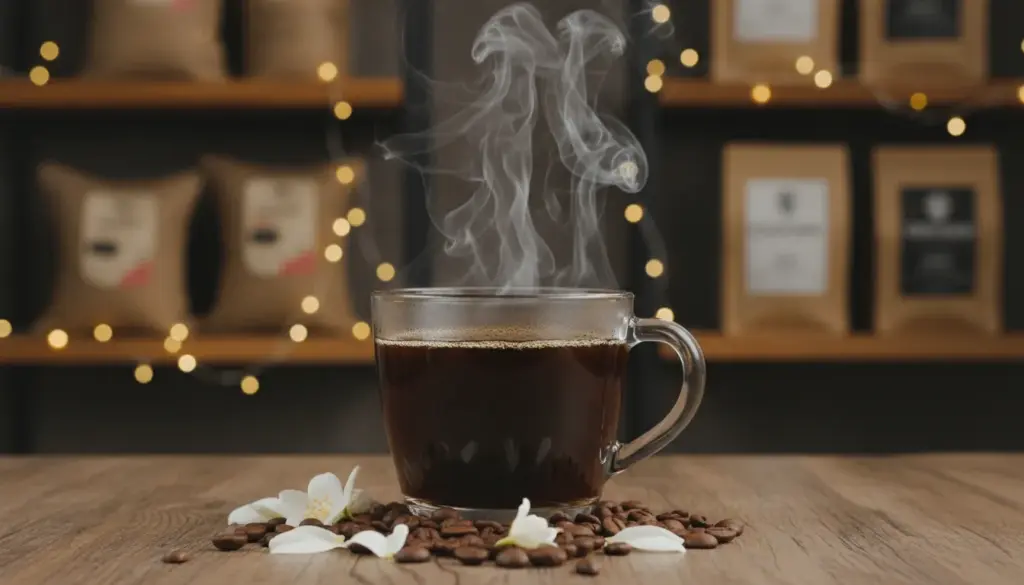
Volatile organic compounds (VOCs) carry floral, fruity, and nutty notes. They evaporate or convert to neutral molecules first, so the aroma fades within minutes.
When VOCs change, the brew feels flatter and less complex even if other elements remain.
Lipids turning rancid: when “stale” becomes “off”
Fats in beans oxidize into peroxides and unpleasant byproducts. That shift moves taste from merely stale to clearly off, with rancid aftertastes.
This is the sensory moment people notice as an unpleasant bitter or waxy note.
How heat and light speed chemical change
Heat accelerates breakdown of both VOCs and lipids. Light especially speeds lipid reactions, so warm, bright spots increase flavor loss.
Why surface area matters: whole bean vs ground
A whole bean exposes little surface area. Grinding multiplies contact sites, so ground coffee degrades far faster.
- Risk order: heat > light > surface area.
- Quick fixes: keep beans whole, cut heat and light, use airtight packaging.
“Protect aroma and fats to keep a cup tasting like it should.”
Roasting, degassing, and freshness: what happens before you even brew
Freshly roasted beans carry a short window of peak expression as they let off post-roast gases. Right after roasting, the beans remain chemically active and release CO₂. This natural degassing changes how grounds behave when water meets them.
Degassing matters because escaping gas can cause uneven extraction. Brewing too soon may trap bubbles and alter water flow, which flattens flavor.
Packaging helps. A one-way valve lets gas leave while limiting oxygen entry. Trapped CO₂ can form an inert chamber that displaces air inside the sealed bag, delaying flavor loss.
For peak freshness, plan consumption in the early weeks after roast. Properly stored beans stay usable for months, but top aromatics fade faster.
- When to brew: wait a few days after roast for degassing but aim to finish a bag within about eight weeks for best results.
- Buy strategy: choose recently roasted specialty coffee and match bag size to your use.
| Packaging | Function | Effect on Flavor | Best Use |
|---|---|---|---|
| Heat-sealed + valve | Releases gas, blocks air | Slows decline, keeps aroma | Weekly use |
| Vacuum/inert gas | Removes air, seals scent | Longer storage life | Multiple months |
| Open container | No barrier | Rapid freshness loss | Immediate use |
Buy smarter: choosing beans and packaging that slow oxidation
A small shopping checklist makes choosing lasting beans simple and reliable.
Prioritize whole bean coffee. Whole beans expose far less surface area, so they keep aroma and fats longer than preground options. Grind right before brewing to retain peak expression.
Check the roast date. Aim for recently roasted beans and plan to use a bag within about eight weeks for best results. The first few weeks after roast are when flavors are most vivid.
Packaging cues that matter
Look for a heat-sealed bag with a one-way valve or mention of nitrogen/CO₂ flushing or vacuum packing. Those features displace air and slow loss of freshness.
Labels vs reality
Terms like “gourmet” are marketing. Specialty coffee and a clear roast date give real clues about quality and how long the beans will keep their character.
“Buy for date and packaging first; tasting notes later.”
Quick buyer’s checklist:
- Roast date visible.
- Whole beans, not ground.
- Heat seal + valve or inert-gas/vacuum packing.
Store coffee beans at home to reduce oxygen, light, and heat exposure
A small rethink of where you keep beans at home makes a big difference in taste. Move fresh coffee beans out of thin bags and into a proper spot as soon as practical to protect aroma and oils.
Use an opaque, airtight container and keep it in a cool, dark spot
Step-by-step: transfer beans to an opaque container or leave them in the sealed valve bag. Lock the lid to make the space airtight. Store the container in a dark pantry away from heat sources.
Room temperature vs freezer: when freezing helps (and when it hurts)
For beans you will use within a few weeks, room temperature in a cool pantry preserves peak notes. Repeated trips to the bag are okay if the container stays sealed between uses.
Freeze only for long-term storage. Protect beans from moisture and smells by sealing portions in truly airtight packs before freezing. Thaw only once and use quickly.
Common storage mistakes that speed up staling
Three enemies shorten freshness: oxygen, light, and heat. Avoid clear jars in sunny kitchens, open bags on the counter, or storage near the stove.
- Leaving the original bag open
- Using clear glass where sunlight hits
- Storing near ovens or on warm shelves
- Opening a container repeatedly for long periods
Reality check: properly stored beans stay enjoyable far longer than brewed coffee left out for hours. Good buying choices help, but poor at-home storage will undo roast-date and packaging benefits.
| Storage Method | Best For | Key Risk | Expected Freshness |
|---|---|---|---|
| Opaque airtight container | Weekly use | Minimal air entry | Weeks |
| Sealed valve bag | Short-term travel | Depends on seal quality | Weeks |
| Frozen, sealed portions | Months-long storage | Moisture/odors if unsealed | Months |
Grind timing and grind quality: the fastest way to trigger oxidation coffee
The instant beans become grounds, air meets far more surface and the clock on freshness starts running.
Why ground fades faster than whole beans
Grinding multiplies surface area and so accelerates chemical change. This means ground coffee loses aromatic intensity quickly—often noticeable within about 30 minutes.
Grind right before brewing: timing for best aroma
Rule of thumb: grind immediately before you brew, especially for beans with delicate floral or fruity notes. Less time as grounds = fewer rapid changes.
Burr grinders vs blade grinders
Burr grinders create uniform particle sizes and generate less heat than blade models. That improves extraction and protects aroma during the process.
Blade grinders crush inconsistently and can warm the mix, which speeds unwanted change.
“Less time spent as grounds + less heat created during grinding = fewer fast changes before the brew even hits the cup.”
| Factor | Burr Grinder | Blade Grinder |
|---|---|---|
| Particle consistency | High—better extraction | Poor—uneven extraction |
| Heat buildup | Low | Higher |
| Effect on aroma | Preserves more aroma | Speeds aroma loss |
For most home brewers, a basic burr grinder gives more flavor gain than upgrading a brewer. If you want practical buying help, see this short guide on grind and gear choices.
Brew and serve for maximum freshness in brewed coffee
A freshly brewed cup shows its full character immediately; that clarity slips away quickly. In the first few minutes after brewing, volatile aromatics leave the surface and the drink begins to flatten. That change happens fast, so your timing affects what you taste.
The first minutes after brewing: aromatic loss and flavor flattening
Right after the pour, the cup is at peak aromatic complexity. Volatile notes fade within minutes and continued air contact can introduce stale or bitter tones.
How temperature changes perception of sweetness and bitterness
As the liquid cools, sweetness often reads lower on the palate while bitterness and edge become more noticeable. Temperature alters how water carries flavor to your senses, so serving warm preserves the intended balance.
Batch-size strategy: brew smaller to avoid “sitting time”
Practical rule: brew less, more often. A smaller pot or single-serve batch means less time sitting and better flavor in each cup.
- Brew only what you will drink within 30–60 minutes.
- Use quality water and freshly ground beans to start with the best base.
- Reheat gently if needed, but avoid leaving a full pot on heat for hours.
Serve fast is a flavor strategy. If you want the best result from great beans and clean water, timing is part of the recipe. How you hold the brew—mug, carafe, or warming plate—will change air contact and heat, which we cover next.
Hold coffee without ruining it: mug vs carafe vs warming plate
The vessel you use after brewing changes how the cup tastes over time. Two things drive that change: surface exposure to air and ongoing heat.
Open mug: fastest flavor loss
An open mug has lots of surface area. That increases contact with oxygen and speeds loss of volatile notes.
Left on the counter for hours, an open cup flattens and grows harsher.
Thermal carafe: the best practical option
A good thermal carafe reduces air exchange and holds steady temperature. It preserves sweetness and body longer than an open vessel.
For a morning at home, a carafe is a simple way to keep brewed coffee drinkable for several hours without reheating.
Warming plates: why they often make coffee worse
Constant heat on a plate accelerates chemical change. Over a few hours this can amplify bitter, “cooked” flavors.
Rule of thumb: avoid parking a full pot on a hot plate for long stretches.
No holding method stops change entirely; they only slow or speed it. Brew smaller batches or use a thermal carafe as the best practical way to protect flavor.
Conclusion
Small steps at purchase and storage add up to a noticeable difference in every pour. The core reason a cup dulls is simple: air contact starts a slow oxidation process that drains aroma and softens flavor.
To keep beans and brewed drinks tasting their best, buy whole beans with a clear roast date and packaging that limits air (one-way valve or inert-gas sealed bag). Store in a cool, dark place in an airtight container.
Grind only what you need, brew with clean water, and serve or move liquid to a thermal carafe quickly. Ignore marketing terms; roast-date transparency and good packaging matter most.
Success means you can still smell distinct aromatics and taste clear flavors — not just generic roastiness — even as the cup cools.
FAQ
How does oxygen slowly ruin flavor?
Why does flavor fade faster than I expect?
What changes first — aroma, sweetness, acidity, or bitterness?
Isn’t cooling the only reason a cup tastes flat later?
What exactly does oxygen do to the brewed cup?
Why does more air contact speed up flavor loss?
How does oxidation show up on the palate?
Which compounds break down first and affect aroma most?
When do oils and lipids go rancid?
How do heat and light influence degradation?
Why does surface area matter — whole beans vs ground?
What is degassing after roasting and why does CO₂ matter?
How do one-way valve bags help preserve freshness?
When is roasted product most expressive?
Should I buy whole bean for longer flavor life?
What packaging features slow deterioration?
Do premium labels guarantee freshness?
How should I store beans at home?
Room temperature vs freezer — when is freezing helpful?
What common storage mistakes speed up staling?
Why does ground product fade so fast?
When should I grind for best aroma?
Do burr grinders really make a difference?
What happens in the first minutes after brewing?
How does temperature change taste perception?
Should I brew smaller batches to avoid sitting time?
Which holds beverage without ruining it — mug, carafe, or warming plate?
How does an open mug affect freshness?
Why do warming plates make taste worse?
Cold Brew with Single Origin Beans: Bright vs Chocolatey Results by Region
» Discover special tips and stories about coffee