Coffee Degassing: When to Brew After Roasting
Understand the coffee degassing process and how it affects your brew. Find out when to brew after roasting for the best taste.
Freshly roasted beans release gas immediately, and that release affects how a cup extracts. The window of change spans hours to weeks, so knowing when to brew after roast helps you predict flavor and strength.
At minimum, let beans rest about 12 hours before brewing. Most of the noticeable activity happens in the first few days, but the outgassing process commonly continues for about 2–3 weeks. Brew method and roast level shift the ideal time.
This short guide will show clear, method-based timing for filter and espresso, signs of under-rested beans, and storage tips while beans off-gas. You’ll learn practical checkpoints—hours after roasting, early days, and the broader multi-week window—so you can plan purchases and daily routines with confidence.
Key Takeaways
- Outgassing starts right after roast and often affects flavor within the first few days.
- Wait at least 12 hours before brewing; many drinkers prefer a few days for balance.
- Roast level and brew method change the best time to brew.
- Store beans in a cool, airtight container while they release gas.
- Plan around checkpoints: hours, early days, and the 2–3 week window.
What Degassing Means for Roasted Coffee Flavor and Extraction
When beans finish roasting, carbon dioxide begins to vent and that shifts flavor and water contact.
Carbon dioxide built up inside roasted coffee starts escaping immediately and can continue for 2–3 weeks. That movement matters because gas pushes outward while water must move inward to wet the grounds.
If too much gas remains, water cannot contact particles evenly. The result is weak or uneven extraction and a cup that tastes thin, muted, or oddly sharp and bitter.
What Would You Like to Learn Next?
Choose an option below:
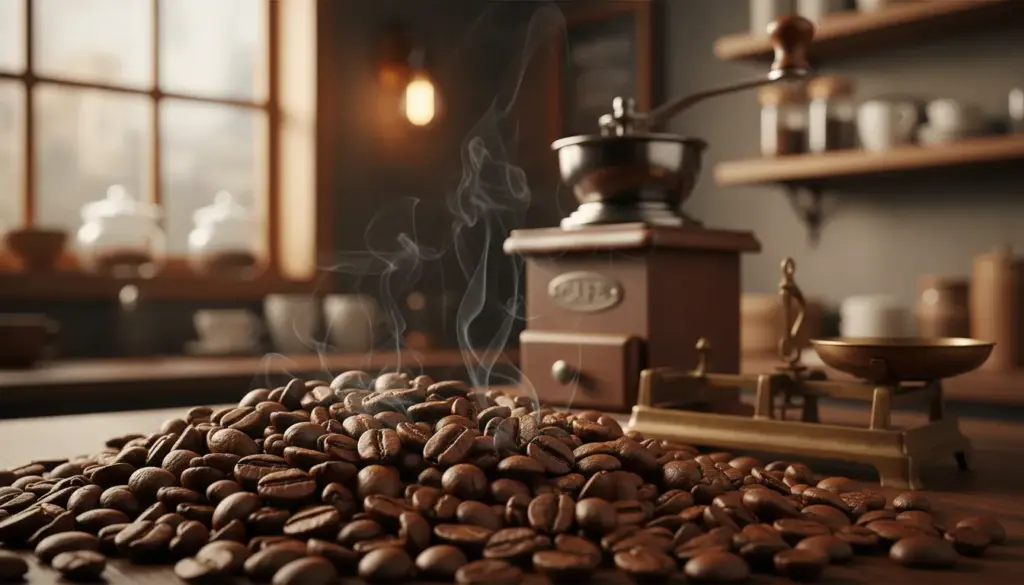
Look for visual cues during brewing: rapid rising bubbles, a domed bloom for about 30–45 seconds, and lively agitation even before stirring. A short bloom vents some gases but cannot fully replace proper rest when beans are very fresh.
“If the bed repels water, channels, or foams aggressively, excess gas is often the culprit.”
| Cue | Meaning | Action |
|---|---|---|
| Rapid bubbles | High CO2 release | Allow more rest before brewing |
| Strong bloom | Partial venting (30–45s) | Use bloom but expect limits |
| Water repelled / channels | Uneven contact | Adjust grind or rest time |
- Troubleshoot: aggressive foaming or channeling often signals excess gas in the coffee grounds.
- Note: espresso will amplify these issues due to a tighter puck and short contact time.
Coffee degassing: What creates carbon dioxide during roasting
Roasting forces rapid chemistry inside the bean, producing water vapor and carbon dioxide as byproducts.
What physically creates CO2: High heat breaks down sugars, proteins, and cell walls. Those reactions form carbon and release carbon dioxide along with steam and other gases. Much of that gas stays trapped in the porous structure of the bean.
Roasting process cues you can hear: The audible cracks signal pressure and gas formation. Home roasters use the first and second crack as markers of reaction stages and rising internal pressure.
Why beans keep gas after cooling
The roast ends faster than the slow movement of trapped gas. So freshly roasted coffee continues to release gas while it cools and rests. That continued release is why many roasters use one-way valve bags.
How “too fresh” affects flavour and extraction
Excess internal gas repels water. The result is uneven wetting, under-extraction, and a cup that can taste sharp, sour, or hollow.
“Sharp acidity and a hollow cup often point to trapped gas blocking even water contact.”
| Cause | Effect | Practical step |
|---|---|---|
| Rapid gas formation (cracks) | High internal pressure | Allow initial rest 12+ hours |
| Trapped carbon dioxide | Water repelled, uneven extraction | Wait days or adjust grind |
| Partial venting during brew | Strong bloom, mixed notes | Expect variability; taste-test |
When buying, use the roast date as a guide but match it to your brew method. Espresso and filter techniques react differently to the same residual gas; the next section will explain timing by method.
When to Brew After Roasting Based on Your Method
Match rest time to your brew method so extraction and flavour land where you want them. A simple timeline helps you plan whether to wait hours, several days, or a few weeks before you brew.
The practical timeline
Minimum: allow at least 12 hours after roast. Brewing earlier often gives a thin, uneven cup because trapped gas still repels water.
Early phase: most release happens in the first 3–6 days. Expect noticeable improvements day to day.
Long tail: off-gassing can continue 2–3 weeks. The best moment is usually a narrow slice inside that span, not the full window.
Filter and immersion methods
Pour-over, drip, and French press tolerate more release. Their longer contact time and forgiving flow make ~three to four days off roast a common sweet spot.
Espresso timing
Pressure and a tight puck amplify problems. Aim for ~5–7 days before pulling shots, and many find the 10–14 day mark especially balanced for aroma and crema.
Roast level and processing effects
Lighter roasts and natural-processed coffees often need more rest. Dark roasts vent faster due to porosity but may stale sooner. Washed coffees usually release gas quicker than naturals.
At-home taste test
Keep the recipe constant and brew the same beans at different days off roast. Note bloom, extraction behavior, and flavour. Track results so you can repeat the best time to brew for each coffee and method.
| Method | Recommended wait | Why it helps |
|---|---|---|
| Pour-over / drip | ~3–4 days (four days common) | Longer contact, even wetting, balanced cup |
| French press | ~3–4 days | Immersion smooths minor release issues |
| Espresso | ~5–7 days; optimal 10–14 days | Reduces channeling, improves crema and balance |
| Quick test (all methods) | 12+ hours minimum | Prevents very thin, hollow extraction |
Storage While Beans Degas and How to Avoid Staling
Good storage balances venting with oxygen control. During the active release phase, the right container keeps aroma and extraction predictable.
Why roasters use one-way valve bags
A one-way valve lets built-up gas escape while blocking oxygen from entering. Roasters pack beans into these bags so pressure can vent without exposing the product to air.
“A valve prevents bursting and limits oxidation—two key risks for freshly roasted beans.”
Airtight, dry, and dark: a quick checklist
- Airtight: keep the bag or container sealed once the initial valve period ends.
- Dry: avoid moisture; water ruins aroma and can cause uneven extraction.
- Dark: store away from light to prevent flavor breakdown.
Why the fridge is a bad idea and when to freeze
Refrigerators transfer odors and create condensation. Grounds and beans absorb smells, which harms taste.
Freezing can work for large amounts you won’t use soon.
Portion beans before freezing and avoid repeated thawing to limit moisture and flavor loss.
| Storage option | When to use | Impact on freshness |
|---|---|---|
| One-way valve bag | Immediate post-roast to 2–3 weeks | Allows safe venting, limits oxygen |
| Airtight jar | After active venting ends | Preserves aromatics, predictable extraction |
| Refrigerator | Not recommended | Risk of odour pickup and condensation |
| Freezer (portioned) | For bulk amounts used slowly | Preserves freshness if not repeatedly thawed |
Plan purchases by amount you can use in about a month. Proper storage keeps roasted coffee stable, so your brewing outcomes stay consistent day to day.
Conclusion
Degassing is a normal stage after roasting that directly affects water contact and extraction. Allow at least 12+ hours before you brew, expect a few days for filter methods, and plan longer waits for espresso—often 5–14 days depending on the roast and processing.
Treat days off roast as a dial, not a rule. Use tasting tests with the same recipe to dial in the sweet spot for each coffee. Look for clearer sweetness, balanced acidity, and fewer signs of channeling or thin cups.
Action plan: check the roast date, store coffee beans airtight, dry, and dark while they degas, keep simple notes from side-by-side tasting, and keep grind, ratio, and water consistent so only rest time changes. This approach gives steady results across beans and methods.
FAQ
What does degassing mean and how long does it last?
How does trapped gas affect flavor and extraction?
Why do I see bubbles, bloom, or fizz during brewing?
What reactions during roasting generate CO2?
Why can very fresh roast taste sharp or sour?
When is the best time to brew for filter and immersion methods?
When should I pull espresso after roasting?
How do roast level and bean porosity change resting time?
Do processing methods affect gas release?
How can I taste-test to find my ideal “days off roast” window?
Why do roasters use one-way valve bags?
How should I store beans while they degas to avoid staling?
Is refrigerating beans a good idea?
When does freezing make sense and how should it be done?
Ecuador Specialty Coffee: The Hidden Origin Worth Trying
» Discover special tips and stories about coffee