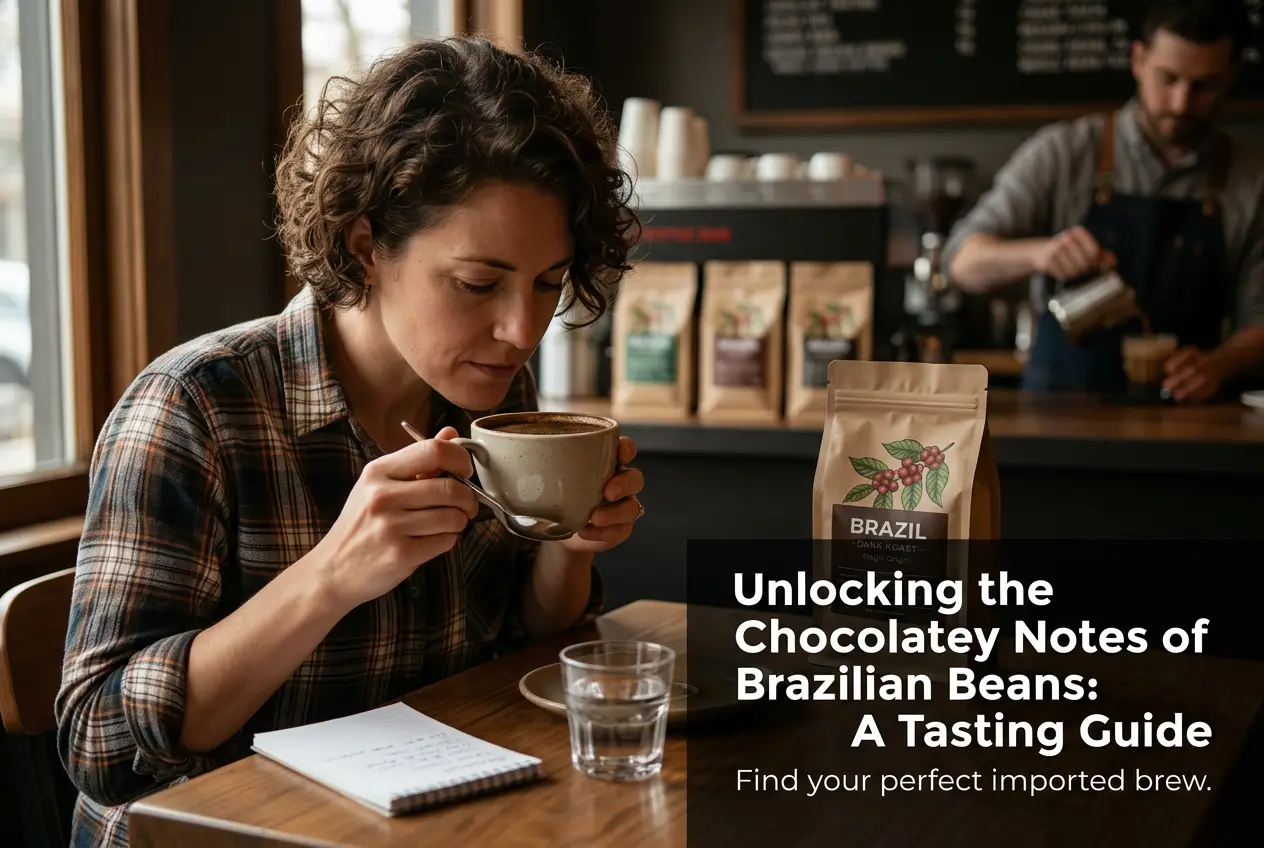
Unlocking the Chocolatey Notes of Brazilian Beans: A Tasting Guide
Ever wonder why your favorite coffee has those rich, chocolatey notes? Chances are, you’re tasting beans from Brazil.
Brazilian coffee is famous for its smooth, nutty, and chocolate-forward flavor. It’s the comforting taste many of us crave in our morning cup.
This guide will show you exactly how to find, taste, and brew Brazilian beans to unlock those delicious chocolate notes. No confusing jargon, just practical tips.
Why Does Brazilian Coffee Taste Like Chocolate?
That delightful chocolate flavor isn’t an accident. It’s a result of Brazil’s unique coffee-growing environment and specific production methods.
Several key factors work together to create this classic taste profile, making it a favorite for coffee lovers across the United States.
- The Right Beans: Arabica varieties like Mundo Novo, Catuai, and Bourbon are naturally prone to developing sweet, chocolatey flavors.
- Perfect Places: Regions like Cerrado Mineiro and Sul de Minas in Minas Gerais are famous for their consistent, high-quality beans with low acidity.
- Smart Processing: “Natural” and “pulped natural” methods are key. Drying the coffee cherry with the fruit on boosts sweetness and deepens cocoa notes.
- Ideal Roasting: A medium to medium-dark roast caramelizes the sugars just right, bringing out those classic nutty and dark chocolate flavors.
How to Pick the Best Chocolatey Brazilian Beans
Walking into a coffee shop or browsing online can be overwhelming. To find beans with the flavor you want, you need to know what to look for on the bag.
What Would You Like to Learn Next?
Choose an option below:
Think of the coffee label as a treasure map. The clues on it will lead you directly to those rich, chocolatey notes you’re searching for.
- Look for the Origin: The label should name a specific region. Look for Cerrado Mineiro, Sul de Minas, or Mogiana for reliable chocolate profiles.
- Check the Process: Seek out bags that say “Natural Process” or “Pulped Natural.” These methods are your best bet for a sweeter, fuller-bodied cup.
- Find the “Roasted On” Date: Freshness is everything. A clear roast date is a sign of a quality roaster. Avoid bags with only a “best by” date.
- Choose Whole Beans: Always buy whole beans if you can. They hold their flavor much longer than pre-ground coffee, giving you a better tasting experience.
- Buy from Trusted Sellers: Reputable specialty roasters are transparent. They provide details about the farm, flavor notes, and processing methods.
A Simple Guide to Tasting Chocolate Notes
You don’t need to be a professional coffee taster to identify flavors. It just takes a little practice and paying attention to what you smell and taste.
Follow these steps the next time you brew a cup of Brazilian coffee. This will help you train your palate to pick up those subtle, delicious notes.
- Smell the Dry Grounds: Right after grinding, stick your nose in and take a deep breath. You might notice sweet, nutty, or even powdery cocoa aromas.
- Smell the Wet Aroma: After pouring the first bit of hot water (the “bloom”), lean in again. The aroma will be much stronger. Look for caramel and chocolate.
- Take a Slurp, Don’t Sip: When you take your first taste, slurp the coffee loudly. This sprays it across your entire palate and helps you detect more flavors.
- Identify the Flavors: Think about what you’re tasting. Is it like creamy milk chocolate? Or is it more like rich, intense dark chocolate or baker’s cocoa?
- Notice the Aftertaste: Pay attention to the lingering flavor after you swallow. Brazilian coffees often leave a pleasant, sweet finish of caramel or brown sugar.
Pro Tip: Don’t get discouraged if you don’t taste it right away. Your palate gets better at identifying flavors over time. Just keep tasting mindfully.
Best Brewing Methods to Enhance Chocolate Flavors
The way you brew your coffee can dramatically change how it tastes. Certain methods are experts at highlighting the full body and sweetness of Brazilian beans.
Here are a few of the best methods to bring out those deep chocolate and caramel notes, along with some simple tips to get you started.
| Brewing Method | Why It Works for Brazilian Beans |
|---|---|
| French Press | This immersion method creates a rich, full-bodied cup that fully expresses the chocolatey notes. Perfect for a bold morning coffee. |
| Espresso | Brazilian beans are a classic choice for espresso. Their low acidity and full body produce a thick crema and a balanced, chocolate-forward shot. |
| Pour-Over (V60) | A pour-over offers a cleaner cup. It can highlight the clarity of the chocolate notes while also letting you taste other subtle flavors like nuts or fruit. |
| Cold Brew | The long, slow extraction of cold brew reduces acidity and boosts sweetness. It creates a super smooth drink with strong notes of chocolate and caramel. |
For a French Press, use a coarse grind and let it steep for about 4 minutes. This ensures you extract all the sweetness without too much bitterness.
Warning Signs: How to Avoid Low-Quality Coffee
Unfortunately, not all coffee is created equal. When shopping, especially online, it’s important to know the red flags that signal poor quality or even a scam.
Being a smart shopper protects your wallet and ensures you get the delicious coffee experience you deserve. Here’s what to watch out for.
- Unrealistically Low Prices: Quality specialty coffee costs more for a reason. If a price seems too good to be true, the beans are likely old or low-grade.
- Vague Information: If a seller can’t tell you the region, farm, or processing method, they might be hiding something. Transparency is a sign of quality.
- No “Roasted On” Date: This is a major red flag. Coffee loses its best flavors within weeks of roasting. A “best by” date is often meaningless.
- Extremely Dark and Oily Beans: Sometimes, very dark roasts are used to hide defects in low-quality beans. Look for a nice, even medium to medium-dark brown.
- Suspicious Bulk Deals: Be wary of huge quantities of “specialty” coffee sold at rock-bottom prices. It could be a blend of inferior or stolen beans.
Helpful Resources for Coffee Enthusiasts
As you dive deeper into the world of specialty coffee, there are great resources available to help you learn more and find amazing beans.
These organizations and tools can connect you with reputable roasters and help you perfect your brewing skills right at home.
- Specialty Coffee Association (SCA): The SCA is a leading authority in the industry. Their website offers educational resources and directories of trusted members.
- Reputable Online Roasters: Many US-based roasters specialize in single-origin coffees and provide detailed information about their beans. Look for those with good reviews.
- Coffee Brewing Apps: There are apps that provide step-by-step guides, timers, and recipes for various brewing methods, helping you make a perfect cup every time.
Start Your Brazilian Coffee Tasting Journey
Exploring the world of Brazilian coffee is a rewarding adventure. Those classic notes of chocolate, nuts, and caramel offer a comforting and delicious experience.
By learning what to look for on the bag and how to taste mindfully, you can confidently select beans that deliver the flavors you love.
The next time you shop for coffee, use these tips to pick a great bag of Brazilian beans. Your perfect chocolatey cup is waiting.
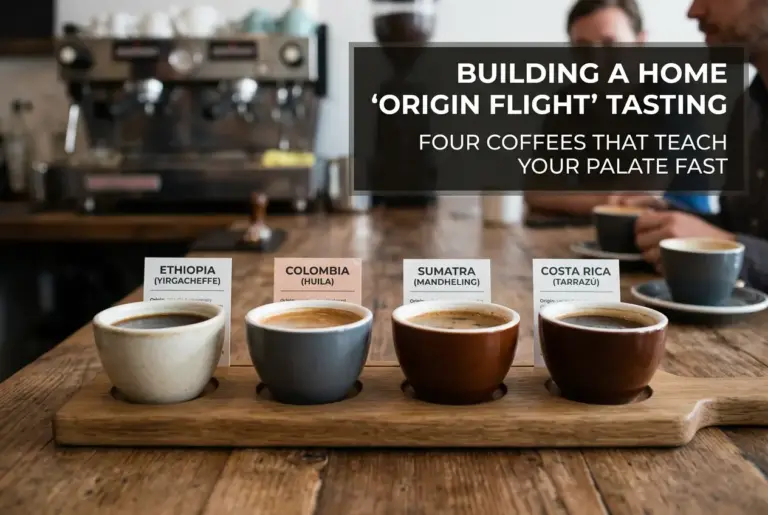
Building a Home “Origin Flight” Tasting: Four Coffees That Teach Your Palate Fast
» Discover special tips and stories about coffee