Are Coffee Oils Bad for You?
Understand the role of coffee oils in your diet. Find out how coffee oils affect your health and what you can do. Coffee oils health explained.
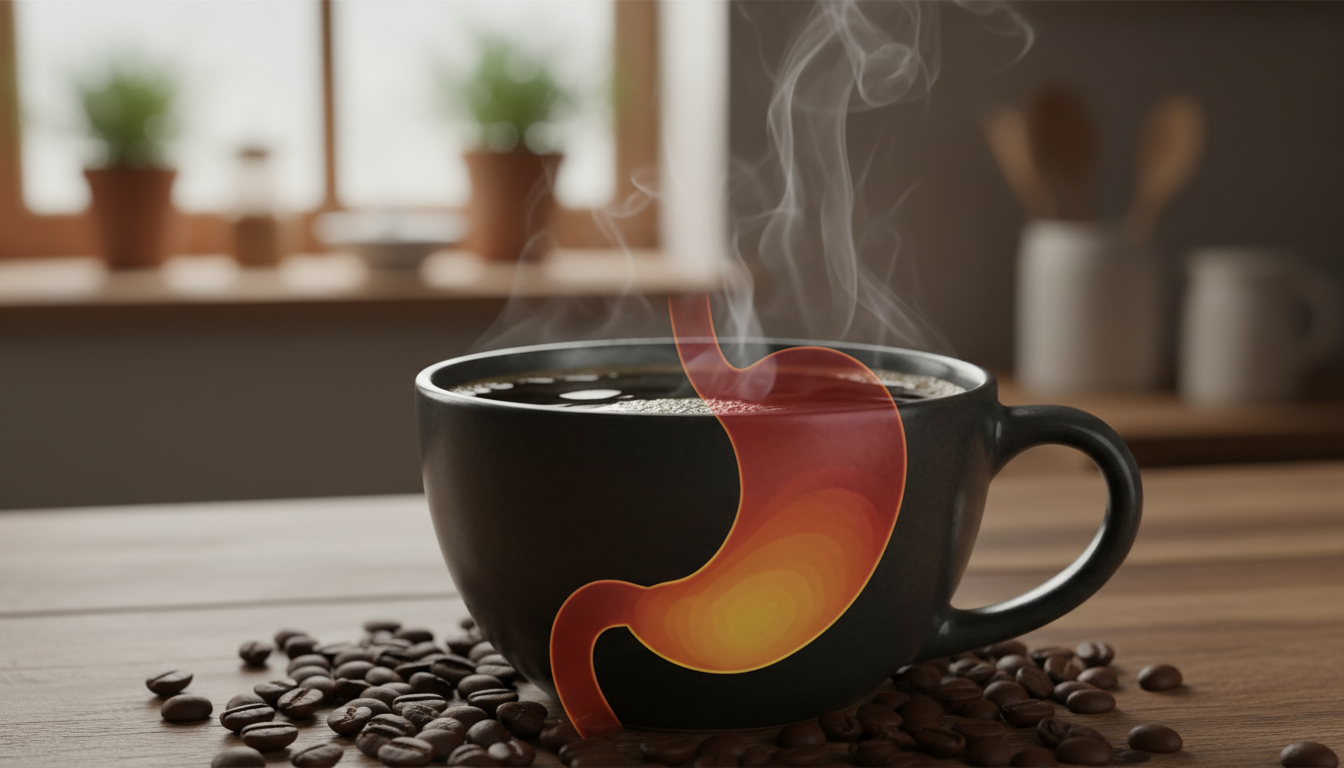
Short answer: some oily compounds from brewed beans can raise LDL cholesterol, and the brewing method makes the biggest difference.
Coffee oils refers to the fatty, oily compounds extracted during brewing. Scientists focus on two molecules, cafestol and kahweol, because they can affect cholesterol levels rather than causing immediate toxicity.
Large observational data from Norway followed over 500,000 adults for 18 years. It showed unfiltered drinks linked to higher heart disease and death than filtered versions. Moderate filtered intake often aligned with lower mortality, while heavy unfiltered intake showed higher risk.
This guide is practical: it explains what these compounds are, summarizes the evidence, and gives step-by-step brewing and intake tips to reduce exposure while still enjoying your cup.
Who should pay closest attention: people with high cholesterol, a family history of cardiovascular disease, or anyone who drinks many cups daily.
Key Takeaways
- Oily compounds called cafestol and kahweol can raise LDL cholesterol.
- Brewing method matters most: paper-filtered brews trap most of these compounds.
- Large cohort data links unfiltered patterns with higher heart risk than filtered patterns.
- You can often keep drinking and reduce risk by changing preparation and intake.
- Those with raised cholesterol or family risk should consider filtration and monitoring lipids.
What Coffee Oils Are and Why They Matter
Two diterpenes from roasted beans are the main suspects in LDL changes.
What Would You Like to Learn Next?
Choose an option below:
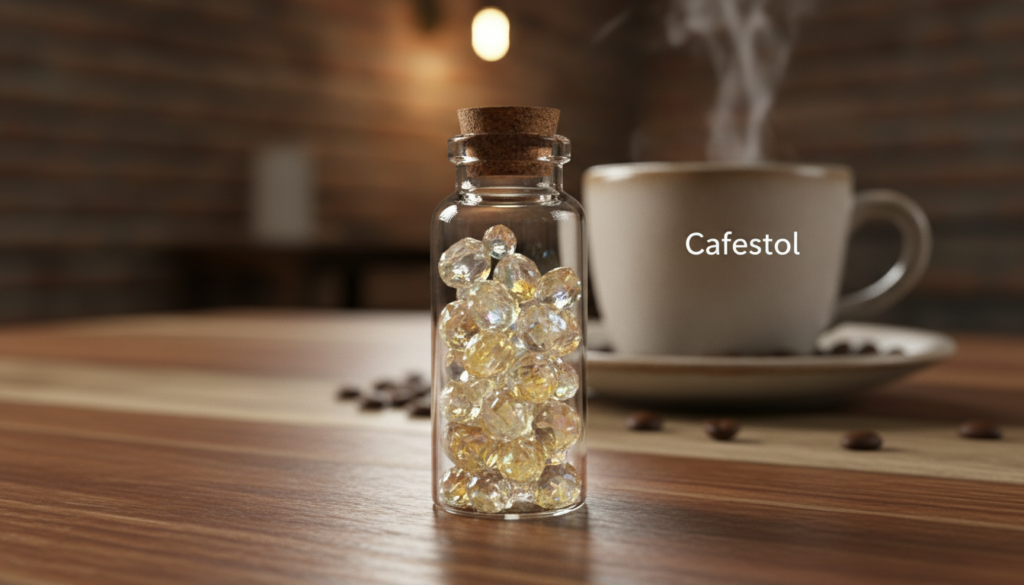
Cafestol and kahweol are natural diterpenes found in coffee beans. Human studies link cafestol especially to rises in cholesterol and bad cholesterol (LDL). These compounds occur in dry beans at varying levels—Arabica generally contains more than Robusta.
Grinding increases surface area. Hot water then extracts soluble compounds and tiny oily particles. Longer steeping and vigorous agitation boost transfer of cafestol into the cup.
Unfiltered methods let fines and gritty sludge pass through. That sediment carries much of the diterpene load, so French press, Turkish, and boiled styles deliver higher amounts.
Why paper changes the mix
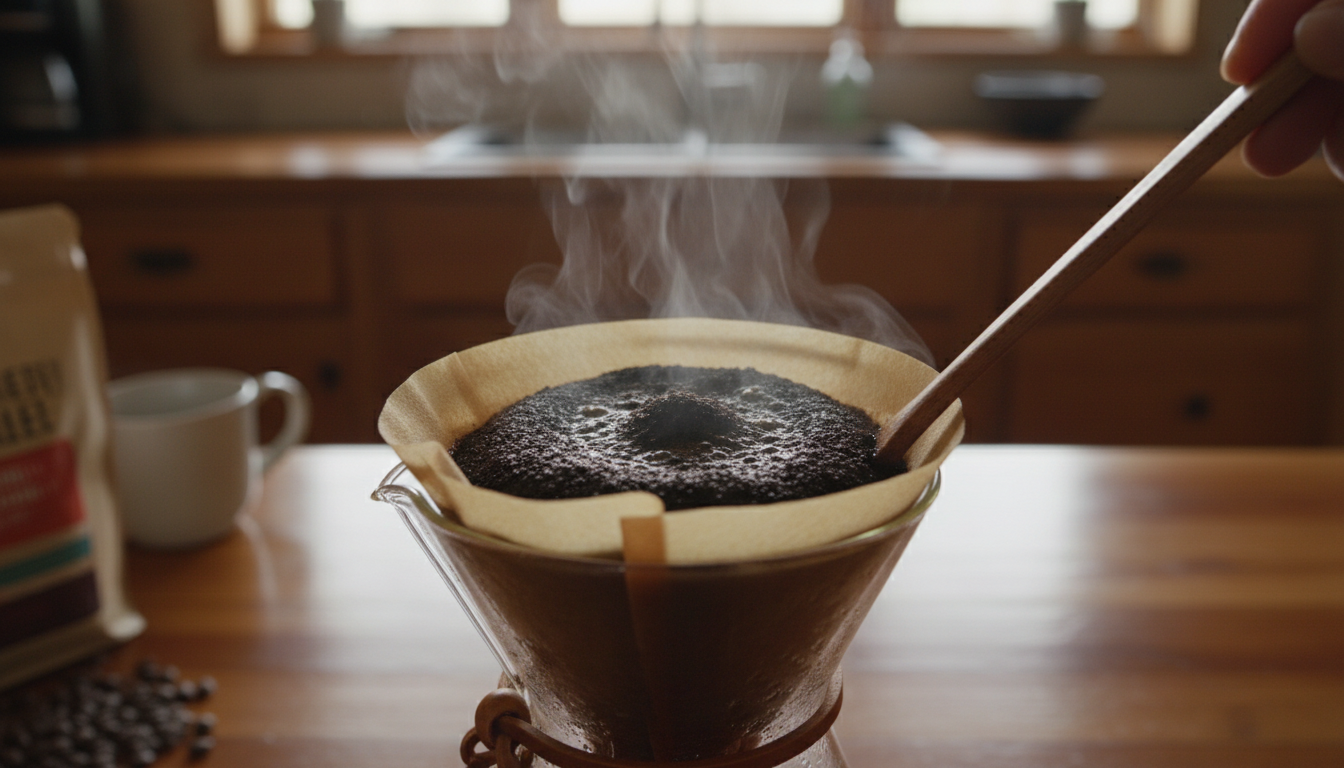
Paper catches fine particles that contain most cafestol, so a paper filter or paper filters in drip and pour-over setups lower exposure. Metal mesh filters let more of the slurry through, which raises diterpene content.
| Factor | Impact on diterpenes | Notes |
|---|---|---|
| Bean type (Arabica vs Robusta) | Variable | Arabica often higher diterpene content |
| Grind size & contact time | Higher with fine grind and long steep | Espresso is concentrated; French press retains fines |
| Filtration | Low with paper filter; higher with metal | Paper removes most oil-carrying particles |
| Brew strength | Proportional | Stronger brews extract more diterpenes |
The health effect depends on dose: more diterpenes and more daily cups raise the likely impact on cholesterol and LDL.
Coffee Oils Health: What the Research Says About Cholesterol and Heart Risk
Several human trials link brew method to measurable shifts in LDL over short periods.
Intervention studies show French press and boiled styles can raise cholesterol within about two weeks. Switching the same beans to paper-filtered drip typically lowers LDL again over weeks.
Per-cup diterpene amounts vary by method. Paper-filtered drip and pour-over are lowest. French press, Turkish/Greek, and Scandinavian boiled are highest. Espresso is concentrated per ounce and matters with multiple shots.
Does filtered drip ever raise cholesterol?
Some trials found modest LDL rises with paper-filtered brews when cafestol content was high and consumption was sustained. Metal mesh or reusable filters let fine particles through and can resemble unfiltered methods in effect.
Long-term outcomes and cup counts
Large observational studies link unfiltered patterns with higher cardiovascular disease and mortality than filtered patterns. In one cohort, moderate filtered intake (1–4 cups/day) showed the lowest mortality, while very high unfiltered intake had the highest.
| Factor | Typical effect on cholesterol | Practical note |
|---|---|---|
| Paper-filtered drip / pour-over | Low | Removes most diterpene-carrying particles |
| French press / boiled / Turkish | High | Fines and sediment increase cafestol exposure |
| Espresso | Variable (high per ounce) | Multiple shots or large lattes raise dose |
| Metal mesh filters | Moderate to high | Allows oils and fines through |
Takeaway: brew method and cups per day drive dose and risk. If cholesterol levels matter to you, switching to paper filtration is the simplest test to reduce exposure and see if lipids improve over weeks.
How to Reduce Coffee Oil Exposure Without Quitting Coffee
A small change in filtration often lowers LDL risk more than cutting cups.
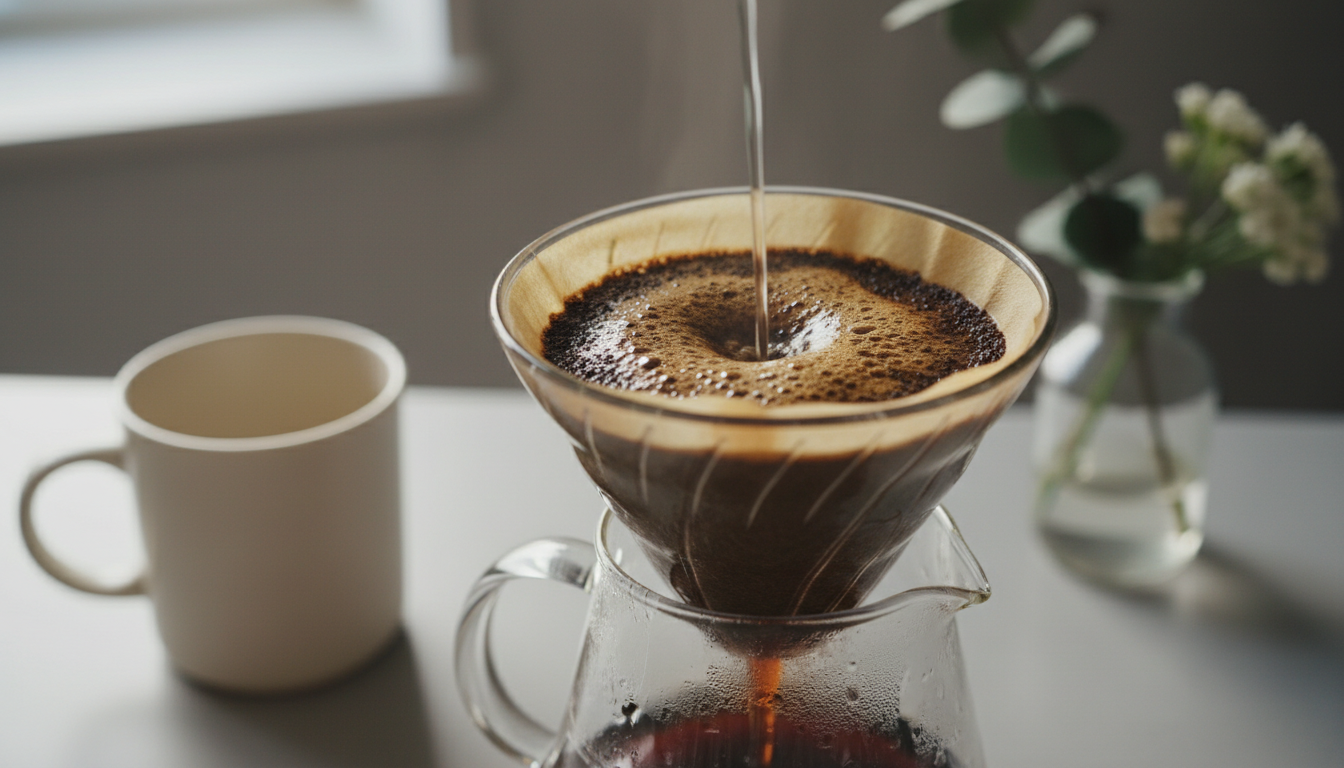
Quick switch plan: move daily brewing to paper-filtered drip or pour-over. Adding a paper filter to machines that use a metal mesh can cut cafestol transfer by over 90% in measurements.
Limit high-oil methods: avoid French press, Turkish/Greek, and Scandinavian boiled styles. These let fines and sediment into the cup, which carry the diterpene load tied to higher LDL.
- Troubleshoot: reusable metal filters, press screens, and some espresso setups pass more fine particles than paper.
- Espresso note: servings are smaller but concentrated; track shots per day to manage cumulative intake.
- Intake target: aim for moderate consumption (about 3–5 eight-ounce cups/day) and favor filtered coffee to align with lower risk patterns in cohorts.
When to adjust and retest: if you have high cholesterol, family heart disease, or arrhythmias, prioritize paper filtration and consider lowering cups. Keep diet steady, make the switch for several weeks to a month, then recheck lipid levels.
Add-ins and symptoms: sugary creamers and large milky drinks add calories. If caffeine spikes blood pressure or causes palpitations, reduce or stop and seek medical advice.
- If cholesterol is the main concern → change filtration first.
- If BP spikes or arrhythmias occur → reduce caffeine and frequency.
- If both apply → consult your clinician and retest lipids after a trial change.
Conclusion
The evidence points to brewing method as the main driver of diterpene exposure and long-term risk. Paper filtration cuts most cafestol and kahweol from the cup, while unfiltered styles let more of these coffee oils through. That raises LDL and can nudge cholesterol toward less favorable levels over time.
Practical takeaway: favor paper-filtered preparation most days, limit daily unfiltered cups, and track shots if you use espresso. A simple switch often lowers diterpene intake enough to change lipid results in weeks.
Many studies show moderate filtered intake aligns with lower mortality patterns, so the beverage’s wider health benefits can coexist with caution about method and dose. If your LDL stays high, try a controlled change and retest, and consult a clinician when cardiovascular disease risk or very high cholesterol is present.
FAQ
Are coffee oils bad for you?
What are cafestol and kahweol and why do they matter?
How do oils move from beans into the cup during brewing?
Why does paper filtration change what ends up in the cup?
How do different brew types affect LDL cholesterol?
Can paper‑filtered drip still raise cholesterol in some people?
Do long‑term studies link unfiltered drinks to cardiovascular disease or mortality?
How many cups per day may matter for cholesterol and overall risk?
Which brewing methods lower exposure to diterpenes?
What preparations should I avoid if I want to reduce exposure?
Are metal mesh filters and fine particles a concern?
How should I view espresso and specialty drinks?
What is a practical intake target for everyday drinking?
When should I adjust consumption because of health concerns?
How should I retest lipids after switching to paper filters or pausing unfiltered drinks?
Do add‑ins like sugar, milk, or creamers matter?
When might brewed beverages not be a good fit?
How Long Coffee Stays Fresh After Roasting
» Discover special tips and stories about coffee