Buying Specialty Coffee on Amazon vs Roaster Websites: How to Get Fresher Imported Beans
You’re searching for incredible imported coffee. But where you buy it, Amazon or a roaster’s website, makes all the difference.
The secret to amazing flavor isn’t the “best by” date. It’s the “roast date,” and one source is far more reliable for freshness than the other.
This guide breaks down how to get the freshest imported beans delivered to your door, ensuring you never waste money on a stale bag again.
Why the “Roast Date” is the Only Date That Matters
Think of specialty coffee like artisan bread, not a canned good. It doesn’t spoil, but it does go stale. Its amazing aromas and flavors fade quickly.
The enemy is time. Once roasted, coffee beans begin to release CO2 and oxidize. This process dulls the vibrant notes you pay a premium for.
A “best by” or expiration date is almost useless. It’s often set for months or even a year out, long after the coffee has lost its character.
What Would You Like to Learn Next?
Choose an option below:
The roast date is your single source of truth. It tells you exactly when the beans were roasted, giving you control over freshness.
The Peak Flavor Window: Coffee is at its absolute best between 4 and 30 days after roasting. After a month, flavor decline is noticeable.
Buying coffee without a clear roast date is a total gamble. You could be buying beans that have been sitting on a shelf for months.
Buying from Roaster Websites: The Direct Path to Freshness
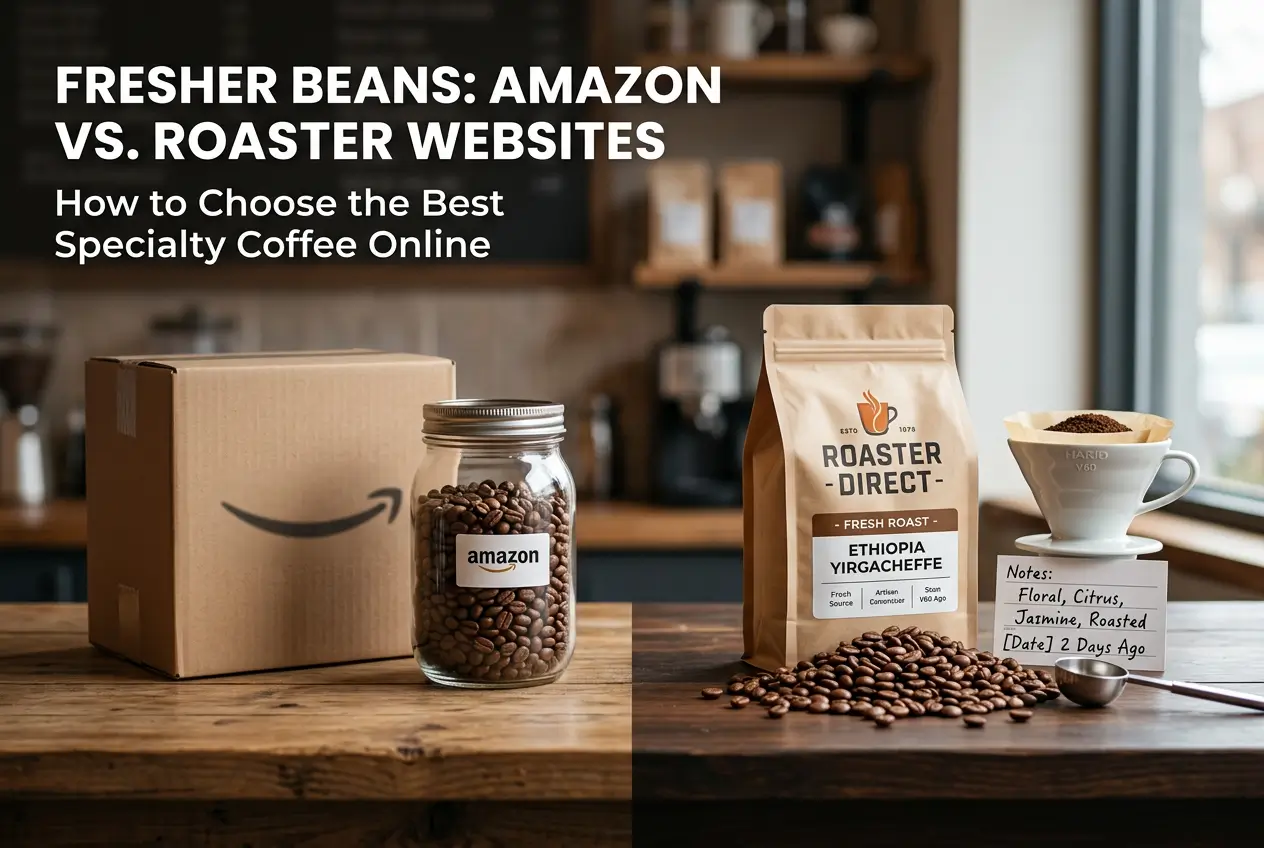
Purchasing directly from a specialty coffee roaster’s website is the most reliable way to guarantee you get fresh, high-quality beans.
The entire system is built around freshness, not long-term storage. This is a huge advantage for you, the coffee drinker.
Here’s why it works so well:
- Roast-to-Order Model: Most specialty roasters don’t have massive stockpiles. They roast coffee in small batches specifically to fill new orders.
- Fast Shipping: Your coffee is often shipped within 24-48 hours of being roasted. It arrives at your door well within that peak flavor window.
- Total Transparency: Good roasters proudly display the roast date on the bag and often on the product page. They have nothing to hide.
- Unmatched Quality Control: The people roasting your coffee are the same people selling it. They are obsessed with quality from farm to bag.
When you buy direct, you’re getting coffee from an expert whose reputation depends on delivering a fantastic, fresh product every single time.
The Amazon Problem: A Gamble on Warehouse Roulette
Amazon offers incredible convenience for almost everything. Unfortunately, specialty coffee is one area where that model often fails.
The core issue is Amazon’s fulfillment system. It’s designed for storing products, not for the rapid turnover required by a fresh item like coffee.
Here’s where the risk comes in when buying coffee on Amazon, especially if it’s “Fulfilled by Amazon”:
- Long Warehouse Stays: Coffee bags can sit in a massive warehouse for weeks or even months before you click “buy.” By then, they are already stale.
- Hidden Roast Dates: Many Amazon listings hide the roast date. They might only show a “best by” date, which we know is a poor indicator of freshness.
- Inconsistent Experience: Freshness is a roll of the dice. You might get a fresh bag one time and a completely stale one the next, from the very same seller.
While some roasters sell on Amazon, the supply chain is out of their direct control. This introduces a major risk of receiving old coffee.
How to Spot Fresh Coffee Beans Online
Knowing what to look for is your best defense against stale coffee. Whether you’re on a roaster’s site or browsing other platforms, be a detective.
Your primary mission is to find the roast date. If you can’t find it, that’s a serious red flag. Assume the coffee is not fresh.
Here are the green lights and red flags to watch for:
| Green Lights (Good Signs) | Red Flags (Warning Signs) |
|---|---|
| “Roasted On” date clearly visible | Only a “Best By” date is shown |
| Seller is the roaster’s own company | Sold by a random third-party reseller |
| Information on roasting schedule (e.g., “We roast on Tuesdays”) | Vague descriptions like “always fresh” |
| Product photos show a valve on the bag (for degassing) | No mention of whole bean vs. ground |
If a website’s description is vague about freshness, it’s usually for a reason. Trust roasters who are upfront and proud of their roasting schedule.
Actionable Steps for Buying Fresher Imported Beans
Ready to upgrade your coffee game? Getting consistently fresh beans is easy once you build a few simple habits into your buying process.
Follow these steps to ensure every cup you brew is packed with flavor.
- Prioritize Roaster Direct: Make the roaster’s own website your first stop. This is the single best way to cut down the time from roaster to brewer.
- Always Buy Whole Bean: Pre-ground coffee loses its flavor much faster. Grinding right before you brew makes a massive difference in taste.
- Look for the “Roasted On” Date: Never purchase a bag of specialty coffee without this crucial piece of information. If it’s not listed, skip it.
- Buy Smaller Bags, More Often: A huge 5lb bag is a bad deal if it goes stale. Buy only what you can drink in 2-4 weeks to keep it fresh.
These small changes will have a bigger impact on your coffee’s flavor than almost any other factor.
Coffee Subscriptions: The Ultimate Freshness Hack?
If you want to put freshness on autopilot, a coffee subscription directly from a roaster is an excellent solution.
It removes the guesswork and ensures you have a steady supply of freshly roasted beans arriving at your door exactly when you need them.
Most roasters who offer subscriptions ship the coffee the same day it’s roasted. This is peak freshness delivered with zero effort on your part.
Bonus: Subscriptions often come with perks like free shipping or a small discount, and they are a great way to discover new imported coffees.
You can typically customize the frequency (weekly, bi-weekly, monthly) and the type of coffee you receive, making it a flexible and powerful option.
Final Step: How to Store Your Beans Correctly
You’ve done the work to buy incredibly fresh coffee. Don’t let it go to waste with improper storage! It’s simpler than you think.
Your coffee has four enemies: oxygen, heat, light, and moisture. Your goal is to protect it from all of them.
The best method is to store your whole beans in an airtight, opaque container at room temperature. A cool, dark pantry or cabinet is perfect.
Avoid the refrigerator. The temperature fluctuations and moisture can create condensation and ruin the beans’ flavor profile.
For long-term storage, you can freeze an unopened, vacuum-sealed bag. But once you open it, do not refreeze it.
By prioritizing the roast date and buying direct, you take control of your coffee experience. Start exploring roaster websites and taste the difference for yourself.
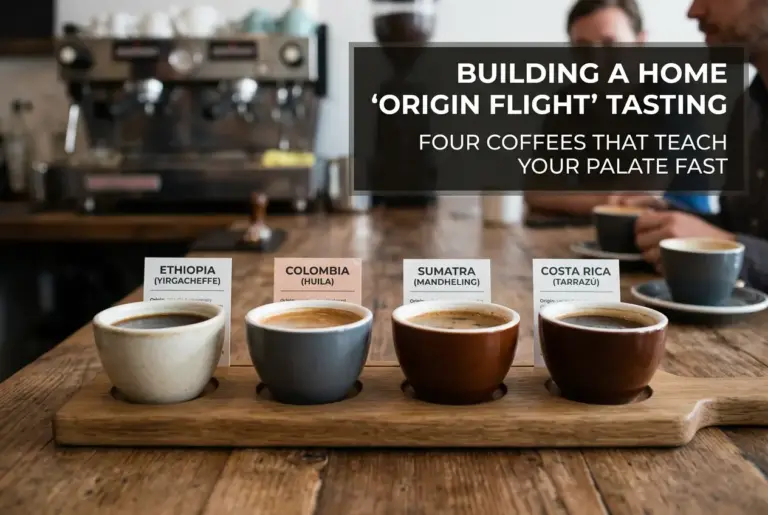
Building a Home “Origin Flight” Tasting: Four Coffees That Teach Your Palate Fast
» Discover special tips and stories about coffee