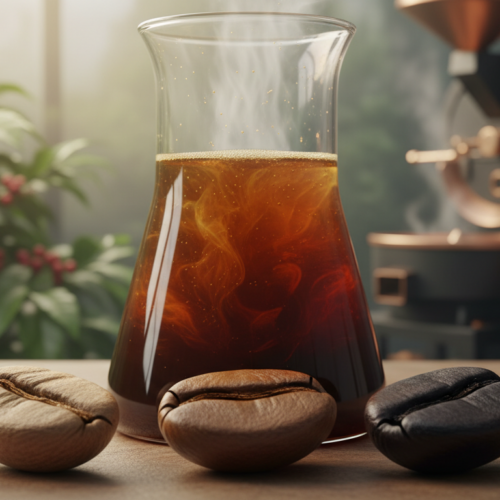
Many mugs that start the American morning feel flat or harsh. In practical terms, a burnt coffee taste shows up as an ashy, charcoal-like finish that overpowers subtle notes. This often happens when dark roasting is used to mask defects in low-cost beans.
Beyond the roast, brewing choices matter. Water temperature above 205°F, slow flow that over-extracts, and leaving a pot on a warming plate can all create that scorched profile. You can fix much of this at home by adjusting grind, checking water temperature, and stopping the pot from “cooking” after the brew.
Quick wins include switching to methods that don’t heat the carafe — such as a French press, AeroPress, or pour-over — and using an insulated server. Those steps help preserve natural flavors and cut down on the harsh, burnt taste that cheap beans often deliver.
Key Takeaways
- Dark roasts and old beans often cause an ashy, burnt profile.
- Too-hot water and long extraction make the issue worse.
- Stop using warming plates; use an insulated carafe or no-plate methods.
- Adjust grind and brew time to avoid over-extraction.
- French press and pour-over are simple fixes for a typical morning.
How to Tell if Your Coffee Taste Burnt or Just Bitter
What happens during extraction changes flavor faster than the bean or roast does. Watch the brew and the shot for clear signals you can fix at home.
Visual and timing clues while brewing
On an espresso machine, slow dripping for most of the shot is a red flag. If a pull runs very long and the liquid looks extremely dark in the cup, the flow is too restricted.
If the shot yields very little even after about 45 seconds, treat it as an extraction problem before blaming the coffee beans.
Signs of over-extraction
Too-slow flow lets harsh compounds leach out. That pulls sharp, drying bitterness and an ashy, charred note that can linger.
Common causes include a grind that is too fine, overfilling the basket, or tamping too hard. These increase contact time and make the cup harsh.
Post-brew checks
Inspect the puck or basket. A soggy, sloppy puck or wet, degraded structure means poor flow and likely over-extraction.
Also make sure milk isn’t the culprit in milk drinks. Burned milk tastes thin and overly sweet and can mimic a burnt profile.
Quick diagnostics table
| Symptom | Likely cause | What to check |
|---|---|---|
| Very dark, slow shot | Too-fine grind / restricted flow | Adjust grind size; clear group head |
| Low volume after 45s | Channeling or overpacking | Check dose, tamp pressure, basket fill |
| Soggy, sloppy puck | Over-extraction / poor flow | Clean basket; try coarser grind |
| Harsh, thin milk drinks | Burned milk | Steam to correct temperature; taste milk alone |

Next step: Once you confirm burnt taste signals, Section 3 will help you identify whether roast level, bean age, or bean quality is the root cause.
What Causes Burnt Coffee Taste in Cheap Coffee Beans and Roasts
Producers sometimes push roasting beyond balance to make inexpensive beans taste uniform. That darkening masks defects, but over-roasting over-caramelizes sugars and shifts the cup toward smoky, woody notes that feel scorched.
Over-roasted beans and dark roast limits
Over-roasted beans look very dark and often show an oily sheen. The aroma turns smoky and can dominate the cup, hiding natural flavors of origin.
Freshness problems and stale beans
Freshness peaks about two weeks after roast. As grounds oxidize, flavors flatten and can take on an ashy, cardboard-like character that people describe as a burnt taste.
Buying smarter in the US
Make sure to choose bags with roast dates, buy smaller quantities, and prefer roasters that list origin and roast details. Avoid overly shiny beans—an oily surface often signals heavy roasting.
Storage basics and equipment hygiene
Store beans in an airtight container in a cool, dark place and grind only what you need. Clean grinders and brewers regularly; old residue and rancid oils will ruin a fresh bag.
- Quick rule: compare two roasts side by side—excess oil and a very dark color usually point to an overdone roast.
- Run a monthly vinegar cycle for drip machines and wash press parts after use to keep a clean cup.
How to Fix Burnt Flavor by Adjusting Water, Grind Size, and Brew Time
Fixing harsh flavors starts with controlling three variables: water, grind, and time. Change one thing at a time so you can tell what works. Follow the order below for the fastest wins.
Get water temperature right
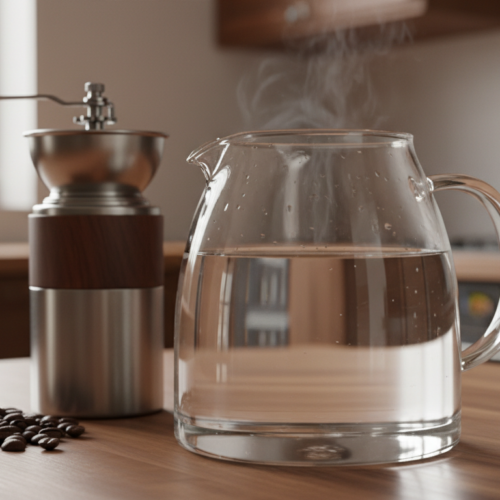
Target 195–205°F. Water hotter than 205°F can scorch grounds and pull harsh compounds. Use a thermometer or boil, then rest 30–45 seconds before pouring to hit the range.
Match grind size to your method
Use coarse for French press, medium for drip, and fine for espresso. Too-fine grind slows flow, increases extraction, and creates sharp, roasted notes.
Tip: A burr grinder gives more even particle size than a blade model, which reduces mixed extraction.
Prevent over-extraction with correct brew times
Start with method-specific targets: espresso ~25–30 seconds; French press ~4 minutes. If the cup tastes harsh, shorten contact time or coarsen grind.
Espresso troubleshooting: if flow is slow and drippy, coarsen the grind slightly, lower dose if overfilled, and tamp evenly rather than harder.
Stop “cooking” brewed drinks
Warming plates continue to heat the pot and break down oils. Move brewed liquid to an insulated carafe or use methods without a hot plate—pour-over, AeroPress, French press, or cold brew reduce post-brew heat exposure.
Dial in strength without harshness
Adjust coffee-to-water ratio carefully. Avoid adding too much coffee, which forces over-extraction. Pour evenly for pour-over and stir gently for press methods to keep extraction uniform.
- Water temperature first
- Then grind size
- Then brew time
- Then holding/serving method
- Finally, ratio and pouring technique
Maintenance reminder: Clean grinders and brewers regularly. Old residue and rancid oils can mimic a burnt profile even when everything else is correct.
Conclusion
A clean cup starts with small, repeatable changes you can make before your morning brew.
Most harsh or ashy notes come from over-roasted or stale beans, water that is too hot, too-fine grind, long contact time, or leaving a pot on a warming plate. Adjust roast choice, heat your water to the right temperature, match grind to your method, and stop post-brew heating to restore balanced flavor.
Separate bitterness from a scorched profile by tasting and changing one variable at a time. That way you learn which tweak — grind, time, or bean — improves the cup.
Next-brew checklist: confirm roast date, store beans airtight, heat water correctly, match grind to your method, and move brewed coffee off hot plates.
Maintenance reminder: clean grinders and makers regularly to avoid rancid oils and get clean coffee every time.