A Beginner’s Guide to Buying Jamaican Blue Mountain Coffee
Thinking about buying Jamaican Blue Mountain coffee? You’re in for a treat, but you need to be careful. This coffee is famous and often faked.
This guide gives you the exact steps to buy the real deal. We’ll show you how to spot fakes and find certified sellers in the United States.
You’ll learn to check seals, read labels, and understand pricing. No more wasting money on low-quality imitations. Let’s get you that perfect cup.
What Makes Jamaican Blue Mountain Coffee So Special?
Jamaican Blue Mountain (JBM) coffee is known for its incredibly smooth and mild flavor. It has very low acidity, which means no bitter aftertaste.
Many people notice subtle sweet notes, like chocolate or flowers. The finish is clean and crisp, making it a uniquely luxurious experience.
This amazing taste comes from a very specific place. The coffee grows in the Blue Mountains of Jamaica, at altitudes between 2,000 and 5,500 feet.
The cool mist, rich volcanic soil, and frequent rain create a unique microclimate. This environment slows down the coffee cherry’s ripening process.
A longer ripening time leads to beans that are denser and packed with complex flavors. It’s a perfect storm of nature that can’t be replicated elsewhere.
The Key to Authenticity: Understanding JACRA
Because it’s so rare and valued, JBM coffee is heavily regulated. The most important name to know is JACRA.
JACRA stands for the Jamaica Agricultural Commodities Regulatory Authority. It’s a government body that controls the country’s coffee industry.
They own the trademarks for “Jamaica Blue Mountain®” coffee. This means any product with that name must be certified by them to be authentic.
Their job is to protect the coffee’s quality and reputation. If it doesn’t have JACRA’s approval, it is not genuine 100% Jamaican Blue Mountain coffee.
The JACRA seal is your number one proof of authenticity. Without it, you are likely buying a counterfeit product.
How to Spot a Fake: Red Flags on the Label
Counterfeiters use tricky language to fool buyers. Knowing what to look for on the packaging is your best defense against scams.
Look for the exact phrase “100% Jamaica Blue Mountain Coffee” or “Jamaica Blue Mountain Coffee.” Anything else is a potential red flag.
Be extremely cautious if you see these misleading terms:
- Blue Mountain Style: This means nothing. It’s not JBM coffee.
- Blue Mountain Blend: This is a big one. It might contain only a tiny fraction of real JBM beans, like 10% or 20%.
- Jamaican Blend: This usually contains cheaper Jamaican coffee, not the premium beans from the Blue Mountains.
- Jamaica Inspired Roast: A meaningless marketing phrase.
- Blue Jamaican or Jamaican Mountain Coffee: Vague terms designed to confuse you.
Legitimate blends must state the exact percentage of JBM coffee. If the percentage isn’t clearly listed on the front, assume it’s very low or zero.
Your 5-Step Checklist for Buying Authentic JBM Coffee
Ready to shop with confidence? Follow this simple five-step checklist every time you buy. It will help you verify authenticity quickly and effectively.
- Find the JACRA Seal: Look for the official blue and gold circular seal on the package. Every authentic product must have it. Next to the seal, there should be a traceable certificate number.
- Read the Label Carefully: The bag must clearly state it is “100% Jamaica Blue Mountain Coffee.” Don’t fall for the misleading terms we covered earlier.
- Check the Price: Real JBM is a luxury good. Expect to pay between $50 to $100 per pound, with an average around $65. A price that seems too good to be true is a guaranteed fake.
- Look for the Roast Date: Coffee is best when fresh. The roast date should be recent, ideally within the last four weeks. Avoid bags without a clear date.
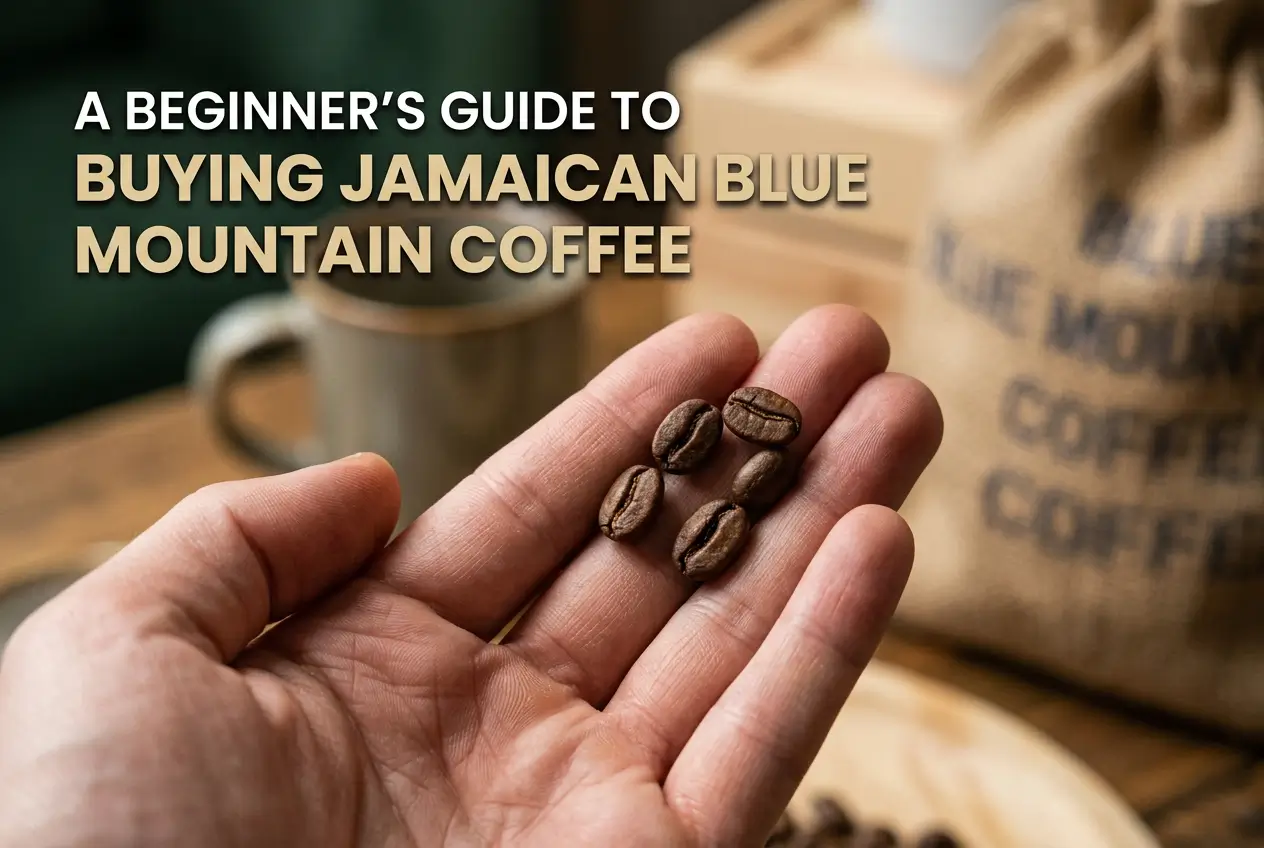
- Examine the Beans: If buying whole beans, look for uniformity. Genuine Grade 1 beans have a consistent size and color, with no cracks, chips, or mold.
Where to Buy Genuine Jamaican Blue Mountain Coffee
The safest way to buy is from authorized distributors and reputable retailers. Sticking to certified sources is the only way to ensure you get what you pay for.
For direct contact with the regulator, you can reach out to JACRA.
- Official Website: jacra.org
- Verification Email: [email protected]
- Phone (Jamaica): +1 (876) 758-1259
Here are some certified retailers and importers that deliver within the United States:
- Allen’s Trading Company LLC: A JACRA-certified US importer of green, unroasted JBM beans.
- Country Traders Ltd: A Jamaican company that ships freshly roasted coffee directly to the US.
- JABLUM (via Cafe Kingston): Offers certified JABLUM brand coffee, roasted on demand for freshness.
- Island Blue Coffee: Ships from Jamaica Standard Products via FedEx to the continental US.
- Paradise Coffee Roasters: Sources certified JBM coffee directly, roasts it fresh in Hawaii, and ships quickly.
When visiting specialty coffee shops, don’t be afraid to ask questions. Ask the barista about their supplier’s certification and the coffee’s roast date.
When is the Best Time to Buy?
Understanding the harvest season can help you find the freshest coffee. The main harvest for Jamaican Blue Mountain coffee typically runs from February to June.
Some higher-altitude farms may harvest later, with beans becoming available around August. This means fresh green beans are arriving in the US in spring and summer.
However, the most critical factor for you is not the harvest date, but the roast date. Always prioritize coffee that was roasted as recently as possible.
Smart Alternatives if JBM is Out of Your Budget
Let’s be honest: 100% Jamaican Blue Mountain coffee is expensive. If it’s not in your budget right now, you still have some great options.
First, consider a legitimate blend. Look for a roaster that is transparent about its blend, clearly stating “30% Jamaica Blue Mountain Coffee” for example.
A good blend will mix JBM with other high-quality beans, like those from high-altitude Colombian farms, to create a balanced and affordable cup.
You can also explore other world-class single-origin coffees. If you love the smooth, low-acidity profile of JBM, you might enjoy coffees from:
- Kona, Hawaii: Known for a smooth, sweet, and mild profile.
- Antigua, Guatemala: Often features rich chocolate and nutty notes.
- Yirgacheffe, Ethiopia: Famous for bright, floral, and tea-like qualities.
Exploring these alternatives can expand your palate without breaking the bank. It’s all part of the journey into the world of specialty coffee.
Why Authenticity Matters: Final Tips & Warnings
Investing in authentic Jamaican Blue Mountain coffee is about more than just a drink. It’s about experiencing one of the world’s finest agricultural products.
Buying certified coffee ensures you get the unique flavor profile you paid for. It also supports the Jamaican farmers who adhere to strict quality standards.
The industry takes fraud seriously. JACRA has a task force to fight counterfeit sellers, who can face fines, confiscation of goods, and even prison time.
Final warning: If you see a deal on JBM coffee that seems unbelievably cheap, it is. Walk away. It’s almost certainly a fake.
Your best protection is knowledge. Use the checklist, buy from reputable sellers, and trust your instincts. A little diligence makes all the difference.
Now you have the tools to navigate the market like a pro. Go ahead and confidently choose a bag of authentic JBM for a truly special coffee experience.
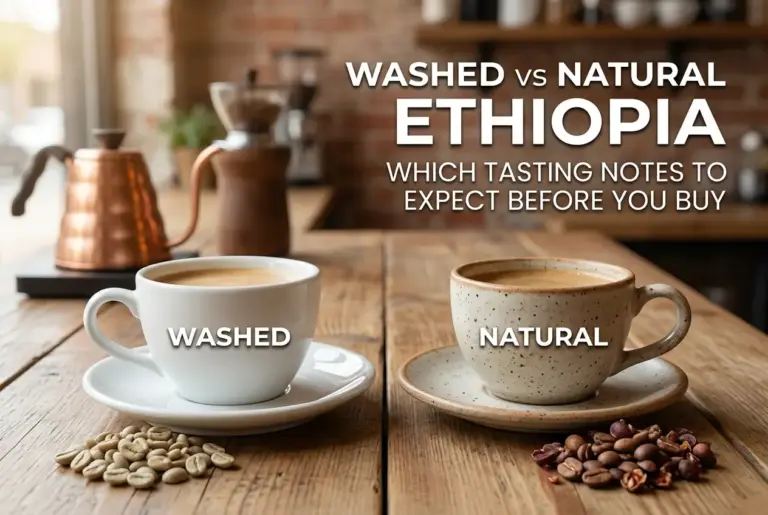
Washed Ethiopia vs Natural Ethiopia: Which Tasting Notes to Expect Before You Buy
» Discover special tips and stories about coffee