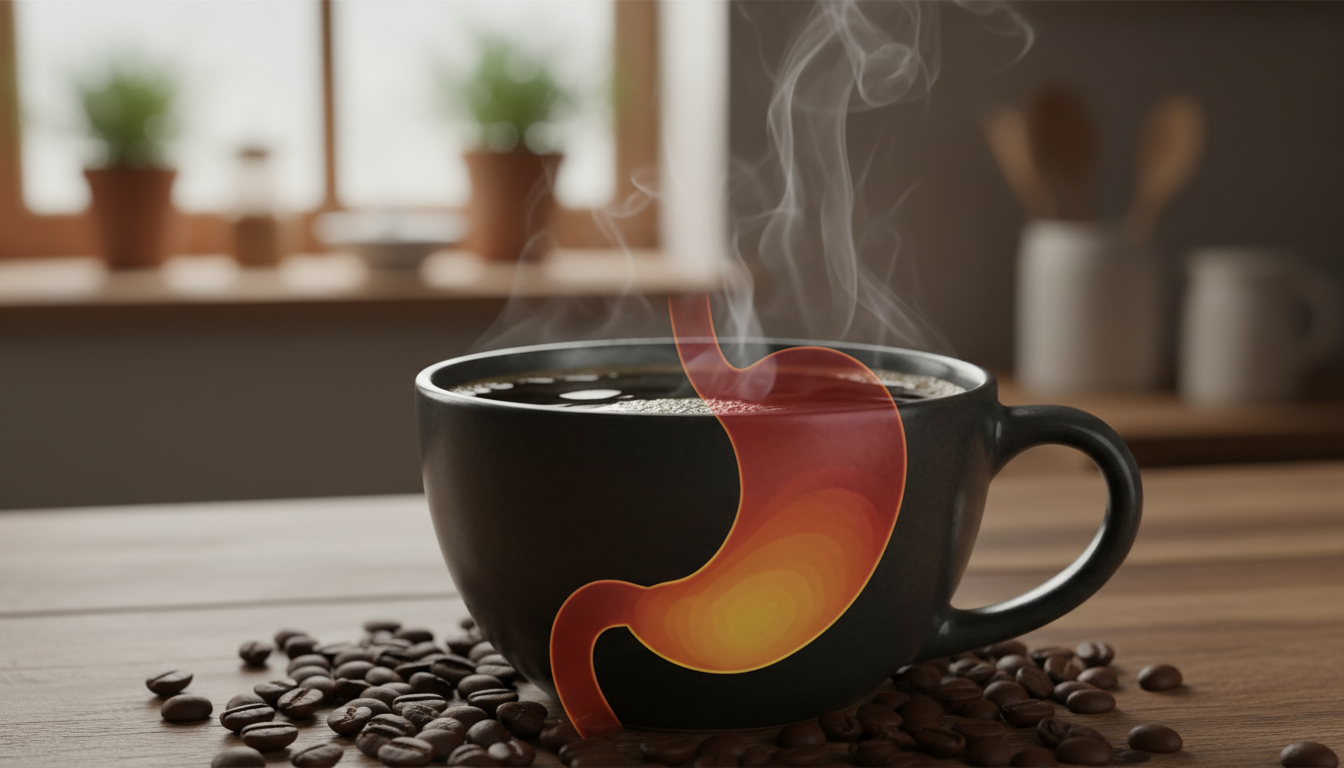
Coffee as a Pre-Workout: Does It Actually Improve Performance?
Some people treat coffee like a warm-up set, one cup and suddenly the gym looks less intimidating. The question is whether that buzz translates into real performance, or if it is just a pleasant ritual.
I drink coffee most days, and I have learned the hard way that timing and dose matter more than the roast level. When you use it on purpose, the coffee as pre-workout drink benefits can be noticeable, especially on days when motivation is low.
Coffee is also a weirdly honest supplement because the active ingredient is obvious, caffeine, and you can feel when you overdo it. That makes it a good place to start if you are curious about caffeine before exercise and want something simple.
How caffeine works as a performance aid
Caffeine blocks adenosine, a brain chemical that builds up during the day and makes you feel sleepy and sluggish. When adenosine gets blocked, many people notice sharper focus and a lower sense of effort during hard work.
That lower perceived effort is a big reason coffee gym performance can improve even when your muscles are not magically stronger. You still do the work, but it can feel more manageable, which helps you push the last reps or hold pace longer.
Caffeine also nudges your nervous system toward higher alertness, which can improve reaction time and coordination for some athletes. If you lift heavy or do technical movements, that mental snap can matter as much as the physical boost.
What Would You Like to Learn Next?
Choose an option below:
There is also a metabolic angle, since caffeine can increase fat oxidation during steady efforts, though the real world impact varies. I care more about the consistency effect, because a predictable pre-workout coffee can make training feel repeatable week to week.
Another underrated effect is mood, because caffeine can make a bad day feel less heavy and a boring workout feel more interesting. That matters because training is not one heroic session, it is showing up again and again.

Caffeine can also increase calcium release in muscle cells and influence how force gets produced, but the practical takeaway is still about output and intent. If you feel more switched on, you tend to move with more purpose, and that changes the session.
Some people also notice a better mind-muscle connection when caffeine hits cleanly, especially on lifts that require patience like squats and deadlifts. The downside is that too much can make you rush, so the same tool can cut both ways.
There is a pain perception piece too, because caffeine can make discomfort feel less loud in your head. That does not mean you should ignore sharp pain, but it can help with the normal burn of hard sets and long efforts.
The effect is not identical for everyone, and genetics plays a role in how fast you metabolize caffeine. If you are a slow metabolizer, the performance boost may come with more side effects and a longer hangover into the evening.
Tolerance is the other big variable, because daily caffeine can dull the noticeable kick without fully removing the performance benefit. If your coffee feels like nothing, it might still be doing something, but you may need a more deliberate plan to feel it.
It also helps to remember that caffeine is not energy in the calorie sense, it is a signal that changes how awake you feel. If you are underfueled, coffee can temporarily hide the problem, and that can backfire later in the workout.
What types of exercise benefit most from coffee
Endurance training is where caffeine has the strongest reputation, and coffee endurance sports fans are not imagining it. Long runs, cycling, rowing, and steady hikes often feel easier at the same pace when caffeine hits right.
For strength training, caffeine tends to help more with volume and intent than with a single all-time max. A cup of coffee can make you more willing to attack your working sets, which can add up over a training block.
High intensity intervals can go either way, because the same stimulation that helps you push can also make you start too fast. If you are prone to redlining early, caffeine before exercise can turn a smart session into a messy one.
Team sports and court sports can benefit because attention and decision making matter, especially late in a game. If you play soccer, basketball, or tennis, coffee can help you stay switched on when fatigue starts to blur your choices.
For early morning training, coffee can be less about performance and more about getting your brain online fast enough to move well. If you are stiff and half asleep, that alertness can reduce sloppy reps and awkward footwork.
Skill-heavy sessions like Olympic lifting, gymnastics, or climbing can benefit when caffeine improves focus without tipping into jitters. The sweet spot is where you feel calm and sharp, not where your hands feel like they are vibrating.
Short sprint work can benefit too, but it depends on how you respond to stimulation and how well you warm up. A little caffeine can make you feel snappy, while too much can make you tense and slow.
For bodybuilding-style training, coffee can help you keep rest periods honest and maintain intensity across a long session. It is easier to drift into scrolling and chatting when you feel flat, and caffeine can reduce that drift.
In group fitness classes, caffeine can help you match the room’s energy instead of feeling like you are dragging an anchor. The risk is that you might chase the instructor’s pace when you should be listening to your own breathing.
Combat sports and sparring are tricky because caffeine can increase aggression and urgency, which is not always a good thing. If it makes you reckless, you lose the technical benefit and increase the chance of getting clipped.
Even low intensity recovery sessions can benefit if coffee helps you show up and move, especially in a cold garage gym or a dark winter morning. Just keep the dose low so the “recovery” day does not turn into a wired day.
The biggest pattern is that coffee helps most when the limiter is the brain, not the body. If you are already physically cooked, caffeine can make you try harder than you can recover from.
Timing: how long before a workout to drink coffee
Most people do best when they drink coffee 30 to 60 minutes before training, because that lines up with when caffeine peaks in the blood. If you sip it right as you walk into the gym, you may not feel much until the session is half over.
The other timing piece is your stomach, since coffee can be rough if you are sensitive or training hard. If you get cramps easily, treat timing like a rehearsal and test it on easy days first.
If you train first thing in the morning, coffee timing also depends on whether you can tolerate it without food. Some people can drink it black and feel great, while others need at least a few bites of something to avoid nausea.
For lunchtime workouts, coffee can collide with a meal and create that heavy, sloshy feeling during conditioning. In that case, a smaller coffee earlier can work better than a big cup right before you move.
Afternoon training is where you have to think about your bedtime, not just your workout. If caffeine sticks around in your system, the cost of a late coffee can show up as a restless night and a weak session tomorrow.
Some people do well with a split approach, like half a coffee 45 minutes before and the other half as they start warming up. It can feel smoother than one big hit, and it gives you time to notice if your stomach is unhappy.
Cold brew tends to go down easier for some people, but it can also be stronger than you think. Timing is not just about minutes, it is about knowing what you actually drank.
Espresso is useful when you want caffeine without a lot of liquid volume. If you hate the feeling of a full stomach under a belt squat or during burpees, less fluid can be a real advantage.
For long endurance sessions, timing can be more forgiving because the workout lasts long enough for caffeine to rise during the first hour. That is why some runners can drink coffee right at the start and still feel it by the time the work gets serious.
For short sessions, timing is less forgiving because you might be done before the caffeine peaks. If you only have 30 minutes to train, you want the caffeine in your system before you touch the first weight.
Also consider what else is in your routine, like a commute, a dog walk, or a long warm-up. If you are already moving for 20 minutes before the main work, your coffee can be earlier than you think.
| Workout start time | When to drink coffee | Notes |
|---|---|---|
| 6:00 am | 5:15 to 5:30 am | Keep it small if you train fasted |
| 12:00 pm | 11:00 to 11:30 am | Watch lunch timing and reflux |
| 5:30 pm | 4:30 to 4:45 pm | Consider sleep impact later |
| 8:00 pm | Skip or use low caffeine | Sleep debt can erase performance gains |
If you are experimenting, keep everything else the same for a week and only change the coffee timing. That is the easiest way to learn whether you are a 30-minute person or a 60-minute person.
When you find a timing window that works, write it down like you would a training log. Consistency is what turns coffee from a random habit into an actual strategy.
Dosage: how much caffeine is effective vs too much
Most research on performance uses a range around 3 to 6 milligrams of caffeine per kilogram of body weight, but you do not need to start there. For many people, 100 to 200 milligrams is enough to notice coffee as pre-workout drink benefits without turning the session into a jittery mess.
If you want a practical answer to how much caffeine before workout, begin with a single small coffee and track how you feel across a week. A typical 8 ounce brewed coffee often lands around 80 to 120 milligrams, but it varies a lot by bean, grind, and brew method.
Too much caffeine looks like shaky hands, racing thoughts, and a heart rate that feels out of proportion to the work. Your training quality can drop even if you feel amped, because pacing, technique, and breathing start to fall apart.
Body size matters, but so does tolerance, sleep, and whether you take caffeine daily. If you always need more to get the same kick, a short caffeine break can bring the effective dose back down.
The tricky part with coffee is that “one cup” is not a unit of measurement, it is a vibe. A large café drip coffee can be double or triple what you get at home, and that is how people accidentally overdo it.
Milk and sugar do not change the caffeine dose, but they can change how your stomach feels and how steady your energy is. If you add a lot of sugar, the crash can get blamed on caffeine when it is really the whole drink.
If you are smaller, sensitive, or prone to anxiety, a “microdose” approach can work well, like 50 to 100 milligrams. You do not need to feel wired for caffeine before exercise to be useful.
If you are larger or you have a high tolerance, you may need more than 200 milligrams to feel anything, but that does not mean more is better. The goal is a performance bump, not a personal record in sweating through your shirt.
Pay attention to how caffeine changes your warm-up, because that is where you can spot a dose that is too high. If you cannot settle into your breathing or you keep rushing sets, you probably overshot.
Also watch your post-workout mood, because a big dose can leave you flat when it wears off. If your afternoon turns into a headache and irritability, that “great workout” may not be worth it.
Stacking matters, so count other caffeine sources like tea, soda, energy drinks, and even some gels. People often say they only had one coffee, but they forget the rest of the day adds up.
If you want precision, weigh your coffee dose by choosing products with labeled caffeine or using caffeine tablets, but that is not required for most people. The more realistic approach is to pick one coffee routine and keep it stable.
On deload weeks or easy weeks, you can lower the dose and still get the ritual benefit. That makes it easier to keep caffeine effective when you actually want to push.
Coffee vs pre-workout supplements: what’s different
Most pre-workout powders are caffeine plus a bunch of extras like beta-alanine, citrulline, and sometimes creatine, with flavors that taste like candy. Coffee is simpler, and that simplicity is a benefit when you want to know what is driving the effect.
Pre-workouts can deliver a precise caffeine dose, while coffee can be a moving target depending on how you brew it. If you care about repeatability, a measured espresso shot or a canned cold brew with labeled caffeine can close that gap.
Coffee also brings acids and oils that some people tolerate well and others do not, especially before hard intervals. If you get heartburn from coffee but not from a pre-workout, the difference is not in caffeine, it is in the drink itself.
From a sustainability angle, coffee has a real supply chain, and you can choose brands with transparent sourcing and certifications. Many pre-workouts rely on global ingredient sourcing too, but the labeling and third party testing can be harder to evaluate as a normal buyer.
Cost is another difference, because coffee can be cheap at home and expensive at cafés, while pre-workout is usually expensive no matter what. If you are buying a $7 latte as your “supplement,” the economics start to look silly.
Pre-workouts often include stimulants beyond caffeine, or ingredients that act like stimulants for some people. That can feel stronger, but it also makes it harder to know what caused a good session or a bad one.
Beta-alanine is the classic example, because the tingles can make you think the product is “working” even if the workout is average. Coffee does not give you that sensory feedback, so you judge it by performance and feel.
Coffee also fits into normal life more easily, because it is socially acceptable at work, at home, and on the road. Pre-workout is more of a gym-only thing, and that can make it harder to build a consistent routine.
On the other hand, pre-workout can be easier on the stomach for some people because it is not acidic and it is designed to mix with water. If coffee consistently wrecks your gut, switching formats can be a simple fix.
Another practical difference is temperature, because hot coffee can feel heavy right before training, especially in summer. Iced coffee or cold brew can solve that without changing the caffeine strategy.
If you already take creatine daily, you do not need a pre-workout that includes it, and coffee can cover the stimulant side. That kind of separation can make your supplement plan cleaner and cheaper.
The best choice is usually the one you can repeat without drama, because consistency beats novelty. If coffee gives you a reliable lift without side effects, it is hard to justify a complicated tub of powder.
Side effects to watch out for
Caffeine before exercise can trigger anxiety, especially if you already run hot on stress or you train in a crowded gym. If your mind starts spinning, the performance upside disappears fast.
Sleep is the big one, because a late afternoon coffee can quietly wreck your night even if you fall asleep on time. Poor sleep then drags down recovery, appetite control, and motivation, which is a bad trade for a slightly better workout.
GI issues are common, and coffee can act like a timer that starts counting down the moment you take a sip. If you are running, that can turn into an emergency, and if you are lifting, it can ruin your focus.
Heart rate can feel higher than expected, especially during warm-ups, and that can make you doubt your fitness. Sometimes it is just the caffeine, but it still changes how the session feels.
Dehydration is not as dramatic as people claim, but caffeine can make you pee more if you are not used to it. If you are already under-hydrated, coffee can push you further in the wrong direction.
Another side effect is that caffeine can make you feel confident in a way that is not always earned. That is fun until you load the bar like it is a meet day and your technique falls apart.
Withdrawal is real if you use caffeine daily, and the headache can hit right when you want to train. If you are planning to cut back, do it gradually so you do not sabotage a week of workouts.
Some people also notice that caffeine blunts appetite, which can be a problem if you need to eat enough to recover. If you keep “forgetting lunch” after a big coffee, your training will pay the price.
Blood pressure can spike temporarily, and that matters if you have a medical reason to be cautious. If you are unsure, it is worth asking a clinician instead of guessing based on gym culture.
- Jitters or shaky grip on heavy lifts
- GI urgency during runs or squats
- Heartburn or reflux mid-session
- Headache when caffeine wears off
- Late-day insomnia or lighter sleep
- Overpacing early in intervals
If you see these signs, the first move is usually to reduce the dose, not to push through. Caffeine is supposed to make training feel more controlled, not more chaotic.
It also helps to separate “normal pre-workout nerves” from caffeine-driven anxiety, because they feel similar. If the feeling disappears when you lower the dose, you have your answer.
How to use coffee strategically around training
Use coffee on the sessions that matter, not on every single workout, because you want the effect when you need it. I like it for long runs, heavy lower body days, and any workout where I know I will try to quit early.
Pair coffee with a small carb snack if you train hard, since caffeine can make you forget to eat until you bonk. A banana, a slice of toast with honey, or a small bowl of oats keeps the caffeine from feeling like a lone spark.
Hydration matters, but you do not need to fear coffee as a dehydrator if you drink it regularly. Still, if you sweat a lot, add water and electrolytes so the stimulation does not mask how depleted you are getting.
For endurance athletes, caffeine timing inside the workout can help, especially in events longer than 90 minutes. A coffee before the start plus a caffeinated gel later can beat one huge dose up front, and it often feels smoother.
If you care about sustainability, choose coffee that aligns with your values instead of grabbing whatever is cheapest at the gas station. Look for traceable origins, responsible water use at mills, and roasters that pay premiums that support farmers through bad harvest years.
Brewing method can also support consistency, because a repeatable recipe makes your caffeine dose less of a gamble. A measured pour-over, a standard double espresso, or a canned cold brew with a label can make coffee gym performance more predictable.
Keep your “coffee plan” boring, because boring is reliable when you are tired and busy. If you change beans, size, and brew method every day, you are basically rolling dice with your nervous system.
If you train in the heat, consider switching to iced coffee or using a smaller, more concentrated drink with extra water on the side. That way you get caffeine without feeling overheated before you even start.
If you are cutting weight or trying to manage appetite, be careful with using coffee as a crutch. It can help you get through a session, but it cannot replace enough food to recover and adapt.
For strength days, I like coffee before the warm-up and then a slow ramp into heavier sets, because caffeine can make you want to jump ahead. A controlled build keeps the aggression useful instead of reckless.
For interval days, it can help to decide your pacing plan before the caffeine hits. If you write the targets down first, you are less likely to let the buzz turn the first round into a sprint.
If you are sensitive to GI issues, try coffee with food, try a lower-acid option, or try a smaller dose rather than quitting immediately. Sometimes the fix is as simple as not drinking it on an empty stomach.
If you are traveling for a race or an event, bring a familiar caffeine source so you are not guessing with hotel coffee. Race week is not the time to discover that a random café serves rocket fuel.
Also think about your off days, because caffeine can creep in even when you are not training. If you drink a lot on rest days, you may need more on training days, and that is how tolerance quietly builds.
The best strategy is the one that protects your sleep, keeps your stomach calm, and makes your training feel repeatable. If coffee does that for you, it is doing its job.
Conclusion
Coffee can improve training for a lot of people, but it works best when you treat it like a tool rather than a personality trait. The coffee as pre-workout drink benefits usually show up as better focus, lower perceived effort, and a little more willingness to suffer.
Get the basics right first, pick a sensible dose, dial in how much caffeine before workout you tolerate, and protect your sleep like it is part of the program. If you do that, caffeine before exercise can be one of the cheapest performance upgrades you can buy at a grocery store.
If you want a simple starting point, pick one coffee, one dose, and one timing window, and run it for two weeks. You will learn more from that consistency than from bouncing between random “hacks.”
When coffee helps, it should feel like you are more you, not like you turned into a different person. If it makes you anxious, wrecks your stomach, or steals your sleep, the smartest move is to scale it back and keep training the main thing.
Can Coffee Help You Live Longer? What the Research Says
» Discover special tips and stories about coffee