Why Coffee Can Taste Bad When It’s Too Fresh
Too fresh coffee got you down? Understand the reasons behind its bad taste and explore our how-to guide for making better-tasting coffee at home
Many home brewers are surprised when beans taste sharp right after roasting. Brewing immediately can release trapped CO2, which forms carbonic acid with water. That reaction can make a cup seem metallic or overly acidic, even from a high-quality roast.
“Too fresh coffee” is a real issue and not a flaw in the roast. Roasters often see flavor peak around 5–7 days after roast, while a common usable window runs roughly 3–14 days depending on roast and brew method.
This short guide will help you spot freshness-related problems, choose a better wait time, and tweak your grind or recipe when you must brew right away at home. You’ll learn quick checks—like watching the bloom—and practical storage tips to reach a more balanced cup.
Goal: give clear steps so you can consistently brew great coffee with cleaner, clearer flavor notes.
Key Takeaways
- Brewing right after roast can cause sharp, metallic flavors due to trapped CO2.
- Many roasters find peak flavor at 5–7 days post-roast; a 3–14 day window is common.
- Check roast dates, watch the bloom, and adjust grind or recipe if you brew early at home.
- Storage and brewing process matter as much as roast date for overall freshness.
- Follow simple steps to achieve better balance and consistently great coffee.
What “Too Fresh” Actually Means for Coffee Beans
Roast date marks a start, not a finish; the best flavors often show up after some rest. A roast date is the day beans were roasted, not the best day to brew. Many bags benefit from a short degassing period before they taste their best.
Freshly roasted beans are still releasing gases. When that release is active, extraction can be uneven and the cup may taste bright, metallic, or hollow.
What Would You Like to Learn Next?
Choose an option below:
Freshly roasted vs. ready to brew
Think of freshly roasted and peak flavor as different stages. High-quality roasted coffee can be excellent, but it often needs days to settle. The same beans roasted on day 0 can taste sharper than the very same beans on day 7.
The resting period
- Define: beans roasted but still releasing CO2 are not yet ready to brew.
- Effects: harsh edges soften and sweetness and clarity improve over several days.
- Mental model: roast date → rest → brew window (commonly 3–14 days, many peak 5–7 days).
Note: The reason this matters is chemical, not just preference. The next section explains the chemistry behind those off flavors.
The Chemistry Behind Bad-Tasting Fresh Coffee
Understanding what happens inside a bean after roast clarifies why some brews seem sharp or flat. Roasting generates a lot of gas inside the bean. That gas is primarily carbon dioxide, and it must escape through a process called degassing.
Degassing matters because excess dioxide changes extraction during brewing. When CO2 escapes quickly, it can push water away and create uneven extraction. The result is a cup that may taste metallic, overly acidic, or oddly flat.
How CO2 and water form carbonic acid
When carbon dioxide meets water it can form carbonic acid. That reaction raises perceived sharpness and can add metallic or acidic notes to the cup. This is a simple chemical step with big sensory impact.
Roast milestones and trapped gas
First crack breaks cell walls mainly via water vapor. Second crack involves more force from CO2, opening bean structure further.
Light roasts often skip or barely reach second crack, so they retain more carbon gases and usually need longer degassing.
| Stage | What breaks inside the bean | Effect on gas |
|---|---|---|
| First crack | Cell walls rupture from steam | Initial CO2 production; moderate trapping |
| Second crack | Firmer ruptures from expanding CO2 | More gas released; less trapped after roast |
| Light vs. dark roast | Less vs. more bean structure breakdown | Light: more trapped gas; Dark: less trapped gas |
Signs You’re Brewing too fresh coffee
Watch the bloom and the brew’s surface—what you see there often tells you whether the beans need time to rest.
What an aggressive bloom looks like during brewing
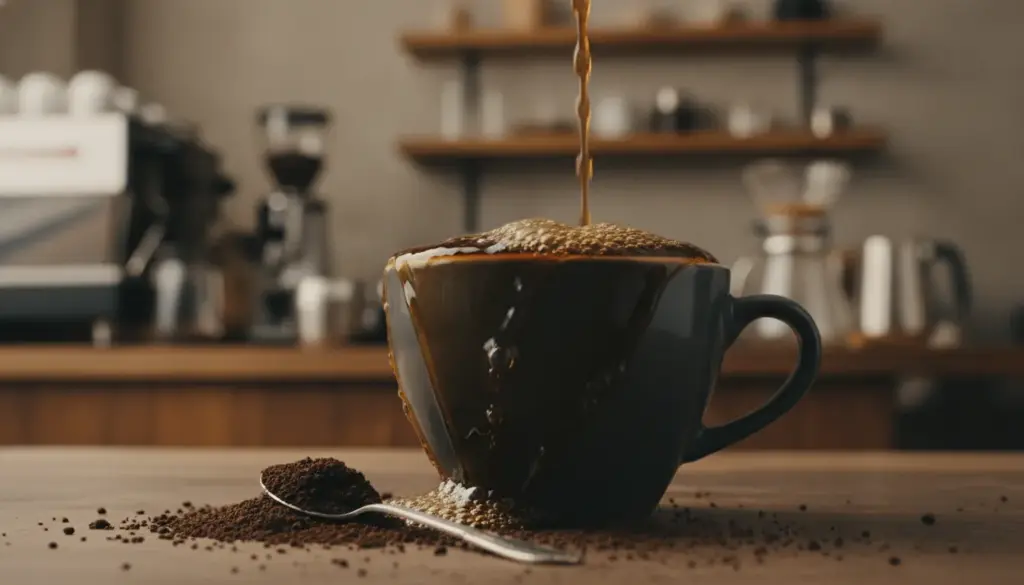
Rapid bubbling, thick foaming, and a slurry that swells quickly are the hallmarks of an aggressive bloom. This behavior shows active CO2 escape and can push water away during extraction.
An overpowering bloom can make a coffee brew taste sharp or hollow. Use the bloom as a diagnostic tool, not a quality guarantee.
Why “fresh” labels and “best by” dates can mislead
Labels that say “fresh” or a long Best By on a bag do not always reflect roast dates. Supermarket timelines and marketing terms often mask actual roast dates and dryness.
Look for roasted on information; roast dates give real context compared with vague dates stamped for shelf life.
How to use the roast date (and what to do if there isn’t one)
When a roast date is present, plan brewing around that date and common roast windows. If no date exists, watch bloom behavior, taste the first cup, and consider where you bought the beans—grocery items often sit longer than small roaster bags.
If you suspect the grounds are too recent, either wait a few days or tweak your grind and recipe to reduce sharpness and reach a balanced cup coffee.
How Long to Wait After the Roast Date Before Brewing
Waiting a few days after roast often brings out sweeter, more balanced notes in the cup.
Usable guideline: start testing at day 3 and compare through day 14. Many roasters report peak flavor around 5–7 days after the roast date. This window improves balance and reduces the sharpness caused by active degassing.
Peak flavor windows
Roast level, bean origin, and your equipment affect the ideal time to brew. Light roasts often need longer rest; darker roasts usually settle faster.
Typical ranges and why there’s no single rule
- 3–14 days: a practical home range for most palates.
- 5–7 days: common peak for many roasters and blends.
- Personal taste can shift the ideal date earlier or later.
Match rest time to your setup
Espresso and some pour-over methods are more sensitive to trapped gases. Immersion brewing (like French press) tolerates earlier brewing time better.
“Use the roast date as your guide, then let your palate decide the sweet spot.”
| Method | Start testing | Common peak |
|---|---|---|
| Espresso | Day 5 | Day 7–10 |
| Pour-over | Day 3 | Day 5–7 |
| Immersion | Day 2–3 | Day 4–8 |
Do a simple experiment: brew the same recipe across several days and note how taste changes. Track results by roast date and time to build repeatable habits. That way you rely on roast date, not vague freshness labels, for consistent cups.
Adjust Rest Time by Roast Level and Coffee Style
Rest time after a roast should match bean type and the cup you plan to brew. Roast level affects trapped gases, and simple tweaks in timing yield clearer flavors.
Light roast
Light roast beans often trap more CO2 because they may not reach second crack. That retained gas can amplify sharpness and make extraction uneven.
Plan for a longer rest and retest across several days.
Dark roast
Dark roast beans still degas but usually need less time. Expect improved balance within fewer days, though some wait is still helpful.
Why some coffees peak near two weeks
Dense, high-altitude beans or certain processing methods can stabilize slowly. For those, the sweet spot may sit near 14 days as acids mellow and sweetness emerges.
“If a brew tastes gassy at day 2, delay and retest on day 7 and day 14.”
- Start testing: day 2–3 for immersion, day 3–5 for pour-over, day 5+ for espresso.
- Adjust time by bean density, origin, and desired brew style.
| Roast level | Typical wait | Why |
|---|---|---|
| Light roast | 7–14 days | More trapped CO2; needs longer degassing |
| Medium roast | 4–10 days | Balanced degassing and flavor development |
| Dark roast | 2–7 days | Faster stabilization; less trapped gas |
How to Brew Better When Your Coffee Is Freshly Roasted
Please note: If you must brew immediately after roast, small technique changes can reduce metallic bite and improve clarity in the cup. These steps focus on extraction control so you can get drinkable results while beans finish degassing.
Dialing in grind size
Start coarser and tighten slowly. A coarser grind reduces surface area and slows extraction, which helps when trapped CO2 causes uneven pockets.
Adjust in small steps—one notch at a time on grinders with stepped settings, or 0.1–0.2 mm for stepless mills. Taste after each change and stop when bitterness and metallic notes drop.
Managing bloom on pour-over
Use a longer, controlled bloom to let excess gas escape without disturbing the bed. Pour just enough water to wet grounds and wait 35–45 seconds if bubbling is active.
If bubbling is extreme, hold the pour and let the bloom settle before continuing. Avoid vigorous agitation during bloom; gentle concentric pours reduce channeling and help even extraction.
Small recipe tweaks to improve balance
- Lower water temperature 2–4°F to reduce perceived acidity.
- Widen the brew ratio slightly (more water) to soften intensity in the cup.
- Shorten total brew time marginally by coarsening grind or trimming pour stages.
- Increase gentle agitation after bloom to re-wet grounds evenly, but change only one variable at a time.
Expectations: These adjustments can make freshly roasted coffee more drinkable, but resting beans still gives the clearest flavors. Use controlled changes to learn how each variable affects your coffee taste.
| Problem | Quick tweak | Expected sensory result |
|---|---|---|
| Aggressive metallic bite | Coarsen grind; lower temp 2–4°F | Smoother acidity; reduced sharpness |
| Thick, excessive bloom | Extend bloom to 35–45s; pause pours | Less outgassing during main pour; better evenness |
| Hollow or under-extracted cup | Tighten grind slightly; increase agitation | Fuller body; improved sweetness |
Whole Bean vs. Ground Coffee: Timing and Taste Tradeoffs
A single grind step turns compact beans into many tiny surfaces that age faster.
Whole bean storage slows degassing and oxidation. The intact skin keeps oils and aromas locked in. Once you grind, surface area jumps and gases escape quickly. That change speeds flavor loss and reduces clarity.
Why ground coffee loses quality faster than whole beans
Grinding boosts exposure to air. Oxygen reacts with oils and volatile compounds. The result is flatter taste and weaker aroma.
Pre-ground items often show a loss in acidity and sweetness sooner. Even high-quality beans can taste dull when ground far ahead.
How far ahead you can grind and practical tips
For most home brewers, grinding up to 48 hours before brewing is acceptable for convenience. If you need to prepare longer, expect noticeable decline within days and more so over 1–2 weeks.
- Tradeoff: convenience versus control—fresh grinding helps dial recipes consistently.
- Buy small amounts, store airtight, and grind just before use when possible to help beans stay fresh.
| Form | Degassing & oxidation | Practical window |
|---|---|---|
| Whole bean | Slower; preserves aroma | Best kept whole; stable within days to weeks |
| Ground coffee | Fast; loses oils and aromatics | Ideal: same day to 48 hours; declines over 1–2 weeks |
| Pre-ground grocery | Often stale from storage | Use quickly; buy smaller packs |
Packaging and Storage That Protect Coffee Freshness
Choosing the right bag and container is one of the simplest ways to protect aroma and taste.
One-way degassing valves let CO2 escape without admitting oxygen. That helps roasters release gas while keeping air out, which slows staling and maintains product quality.
At home, use an airtight container to limit oxygen, light, heat, and moisture. Store beans in a cool, dark place and avoid clear jars on the counter.
Vacuum-sealed containers and opening
Vacuum-sealed containers extend shelf life and can keep beans tasting lively for a long coffee storage period. Once opened, oxygen rushes in and degassing resumes.
- Finish opened bags within about two weeks for best flavor.
- If you buy a large bag, transfer a small portion to an everyday jar and keep the rest sealed.
- Good storage choices prevent flat, lifeless cups that resemble restaurant blends.
| Option | How it helps | Practical note |
|---|---|---|
| Bag with valve | Allows CO2 out, keeps O2 out | Keep sealed until use |
| Airtight jar | Limits oxidation and humidity | Use small amounts to stay fresh |
| Vacuum-sealed | Extends storage life | Consume quickly after opening |
Buying Tips for Fresh Coffee Without the “Too Fresh” Problem
When buying beans, aim for clarity on roast timing and realistic portion sizes to avoid a harsh first brew.
Buy direct from a small roaster when possible. Small roasters usually show clear roast dates and move inventory faster than big supermarket chains. That transparency helps you plan rest and peak windows for better cups.
What to check on the bag
- Roasted on date: prefer this over vague “Best By” dates.
- One-way valve: lets CO2 escape while keeping oxygen out.
- Suggested rest: guidance about when the product drinks best within days after roast.
How much to buy
Buy only what you can finish within about two weeks of opening. For most households that means smaller 8–12 oz bags rather than bulk 2 lb packs.
Online shopping notes
When you shop online, consider free shipping thresholds but avoid overbuying just to hit a minimum. Prioritize roast-date clarity and order amounts that match how fast your household drinks.
| Situation | Suggested pack | Why |
|---|---|---|
| Solo drinker | 4–8 oz | Keeps beans fresh longer after opening |
| Small household | 8–12 oz | Finishes within two weeks |
| Weekly hosts | 1 lb | Use quickly; store in airtight jars |
“Roast dates offer real timing; labels that only show Best By can hide older stock.”
Conclusion
,A clear finish helps you turn roast dates and bloom behavior into repeatable, better-tasting cups.
The core takeaway is simple: CO2 that hasn’t finished degassing can make a brew taste sharp or metallic and cause uneven extraction. Check the roast date, give beans a short rest, watch the bloom, and tweak your technique when needed.
Test samples across about 3–14 days (many peak around 5–7) to find the best time for your setup. For reliable results at home, store beans airtight, buy sizes you can finish in two weeks, and grind close to brew time.
Practical note: small, repeatable changes in time, grind, and pouring produce a better cup more often—no extra gear required.
FAQ
Why can coffee taste bad when it’s too fresh?
What does “too fresh” actually mean for roasted beans?
How does freshly roasted differ from ready-to-brew?
What is the resting period and why does it matter?
How does carbon dioxide affect brewed coffee?
Can CO2 and water create carbonic acid in my cup?
What common flavor complaints come from brewing too soon?
What are first crack and second crack and how do they affect taste?
What does an aggressive bloom look like when brewing very fresh beans?
Why can “fresh” labels and “best by” dates be misleading?
How should I use the roast date if it’s printed on the bag?
How long should I wait after roast date before brewing?
Why is there no single rule for rest time?
How do I match rest time to my brewing setup and taste?
Do light roasts require more rest than dark roasts?
Do dark roasts still need degassing?
Why might some coffees taste best two weeks after roasting?
How can I dial in grind size to improve a cup that’s too sharp?
How should I manage the bloom for freshly roasted beans?
What small recipe tweaks help balance a cup from very recent roast?
Do whole beans stay drinkable longer than preground?
How far ahead can I grind before quality drops?
What do degassing valves on bags do and why do they matter?
How should I store beans once the bag is opened?
What happens to vacuum-sealed containers after opening?
Why buy from small roasters to avoid the “too fresh” problem?
What should I look for on the bag when buying?
How much should I buy to avoid waste but have fresh supply?
Cold Brew with Single Origin Beans: Bright vs Chocolatey Results by Region
» Discover special tips and stories about coffee